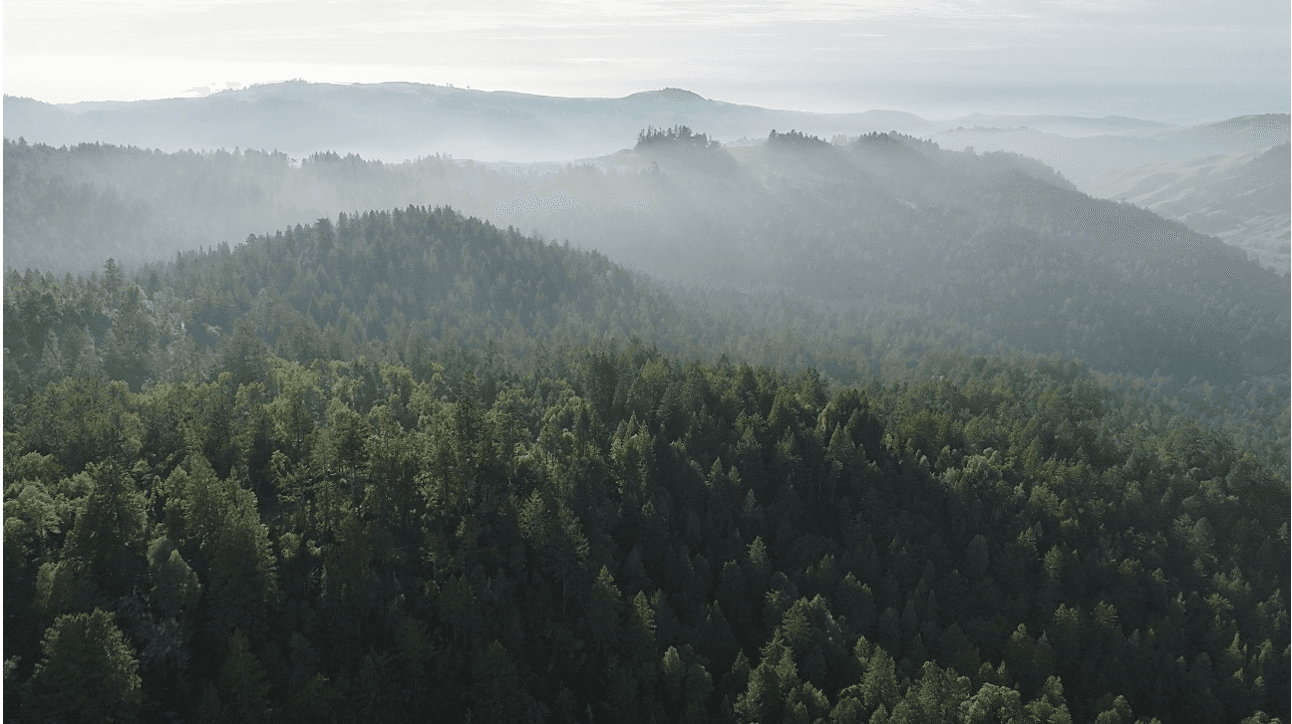
Save the Redwoods League has agreed to purchase a 1,517-acre property near Monte Rio, significantly expanding conservation efforts in Sonoma County's redwood forest ecosystem. The Monte Rio Redwoods Expansion property, currently owned by Mendocino Redwood Company, will be acquired for $24 million and subsequently transferred to Sonoma County Regional Parks.
The property represents a critical conservation milestone, sharing borders with Monte Rio Redwoods Regional Park and Sonoma Coast State Park. Once conserved, the acquisition will link over 22,000 acres of continuous forest, wildlife corridors, and watershed stretching from the Bohemian Highway to the Sonoma Coast.
Environmentally, the property offers substantial ecological benefits. The forest contains 1,287 acres of coast redwood and Douglas-fir woodland, including rare old-growth trees and critical stream habitats. The property encompasses 3.7 miles of streams that are spawning grounds for federally listed coho salmon and steelhead trout, making it a high-priority conservation target.
Climate researchers emphasize the property's significance in carbon sequestration. Redwood forests are known for their exceptional ability to store carbon, with young redwoods demonstrating rapid carbon absorption. This makes the acquisition not just a local conservation effort, but a meaningful contribution to broader climate mitigation strategies.
Funding for the project involves a collaborative approach, with Save the Redwoods League seeking $20 million in public and private funding. Sonoma County Agricultural and Open Space District will contribute up to $6 million through a conservation easement, while the League and Sonoma Land Trust are jointly raising the remaining $4 million.
The acquisition represents decades of conservation work by multiple organizations, creating a unified approach to protecting California's critical redwood forest ecosystems. By connecting previously fragmented land areas, the project enhances habitat connectivity, supports biodiversity, and provides expanded public recreational opportunities.