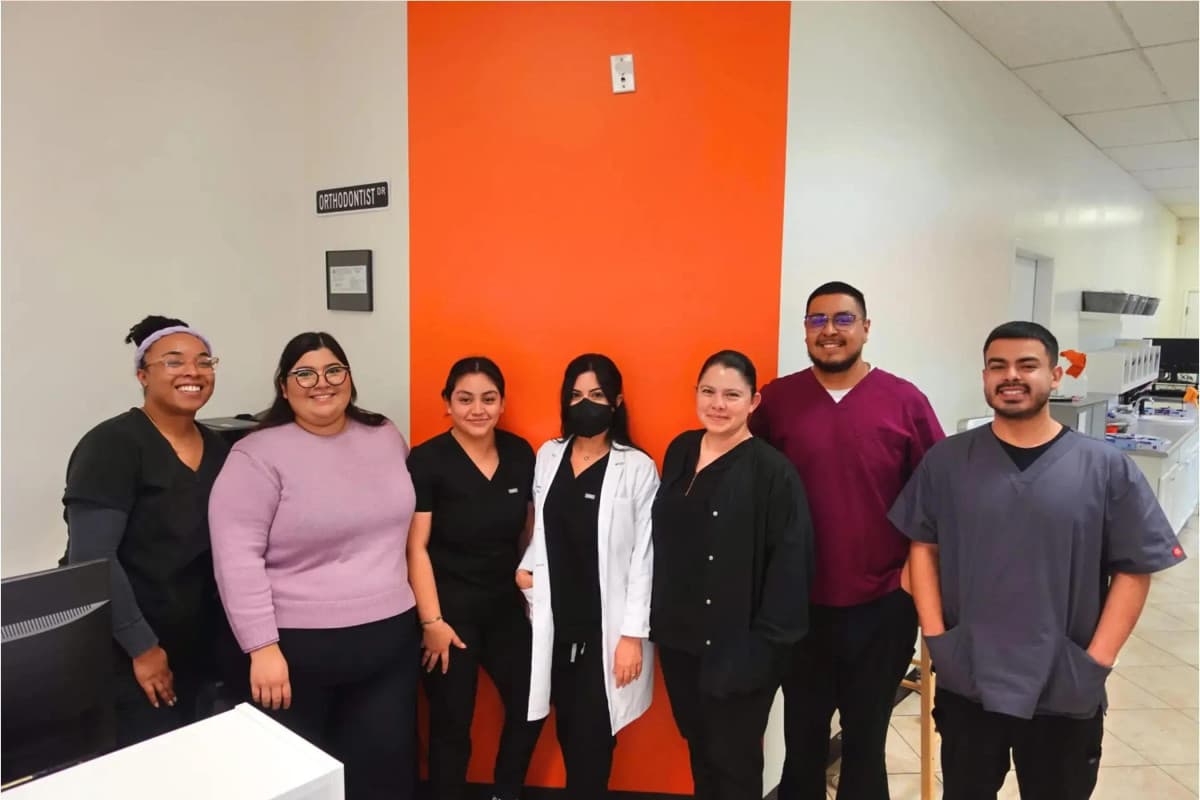
The establishment of 360 Orthodontics in Colton, California, represents a significant development for community healthcare accessibility, providing families with affordable orthodontic options that were previously difficult to obtain. This matters because orthodontic treatment directly impacts confidence and overall well-being, yet cost often creates barriers for many seeking care. The practice's focus on competitive pricing and flexible payment plans addresses this critical financial obstacle, potentially improving oral health outcomes across the community.
360 Orthodontics offers comprehensive services including traditional metal braces, ceramic braces, lingual braces, and the innovative Invisalign clear aligner system. For those seeking discreet treatment options, Invisalign provides an effective alternative to visible braces, with custom-made aligners that patients can remove for eating and oral hygiene. The practice utilizes state-of-the-art equipment and software to create precise, personalized treatment plans for each patient's unique dental needs.
The implications of this healthcare expansion extend beyond individual patients to the broader community. By making orthodontic care more financially accessible, 360 Orthodontics could help reduce disparities in dental health outcomes. The practice's commitment to patient education ensures informed decision-making, while flexible scheduling including evening and weekend hours accommodates working families. Community involvement through local events further integrates oral health awareness into neighborhood life.
For industry observers, this development reflects a growing trend toward making specialized dental care more accessible through transparent pricing models. The practice's approach could influence how other providers structure their services and payment options. Patients can learn more about available treatments through the practice's website at https://360orthodontics.com/orthodontist-in-colton-ca/.
The availability of free consultations allows prospective patients to explore treatment options without financial commitment, lowering the initial barrier to seeking care. This approach, combined with the practice's emphasis on creating a welcoming environment for patients of all ages, represents a patient-centered model that prioritizes both clinical excellence and accessibility. As orthodontic technology continues to advance, practices like 360 Orthodontics that combine innovation with affordability will play an increasingly important role in community health infrastructure.