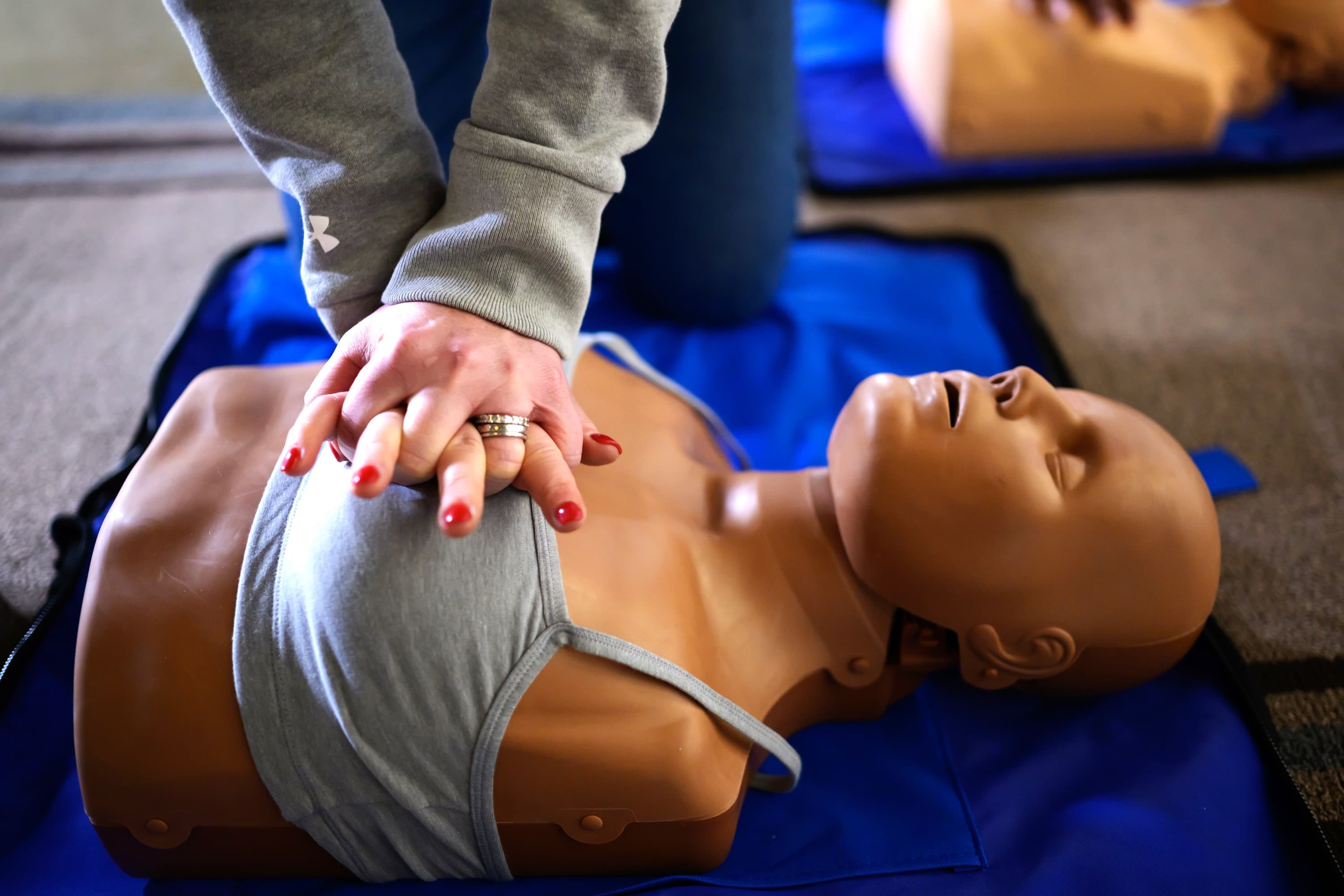
A recent study conducted in North Carolina has uncovered the pivotal role that 911 dispatchers play in increasing the chances of bystander cardiopulmonary resuscitation (CPR) for cardiac arrest victims. The research, which analyzed nearly 2,400 out-of-hospital cardiac arrest cases, found that when emergency telecommunicators provided CPR instructions to callers, the rates of bystander intervention increased significantly for both men and women.
The study, set to be presented at the American Heart Association's Resuscitation Science Symposium 2024, revealed that when telecommunicators assisted callers, bystander CPR was performed 44% of the time on women and 40% on men. This is a stark contrast to the mere 9% for women and 11% for men when no telecommunicator assistance was provided. These findings underscore the critical importance of dispatcher guidance in emergency situations.
Lead author Audrey Blewer, Ph.D., M.P.H., an assistant professor at Duke University, emphasized the life-saving potential of CPR, stating, 'CPR can double an individual's chance of survival.' The research also addressed the previously observed gender disparity in receiving bystander CPR, suggesting that telecommunicator assistance could be instrumental in reducing these inequities.
The study's implications are significant, given that more than 357,000 out-of-hospital cardiac arrests occur annually in the United States, with a survival rate of only 9.3%. By highlighting the effectiveness of dispatcher-assisted CPR, this research points to a potential strategy for improving these dire statistics.
Further analysis revealed that bystander CPR was administered in 52% of cardiac arrests occurring outside of hospitals, with 81% of these cases performed with telecommunicator assistance. The median time from call receipt to CPR recognition was 87 seconds for both genders, with the first compression occurring at around 3 minutes and 25 seconds for both women and men.
These findings emphasize the importance of immediate action in cardiac emergencies. 'Everyone who experiences a cardiac arrest should have an equal opportunity to receive CPR,' Blewer stated, urging the public to call 911 immediately and begin chest compressions when encountering a person in cardiac arrest.
The study's results have far-reaching implications for emergency response systems and public health initiatives. By demonstrating the effectiveness of telecommunicator assistance, it provides a strong argument for enhancing dispatcher training and resources. This could lead to improved survival rates and potentially reduce the gender gap in bystander CPR administration.
Moreover, the research highlights the need for increased public awareness and education about the importance of bystander CPR. With proper guidance from emergency dispatchers, more individuals may feel confident in providing this crucial intervention, regardless of the victim's gender.
While the study has limitations, including its focus on North Carolina and its status as a secondary analysis of a larger clinical trial, its findings align with similar research conducted in other regions. This consistency strengthens the case for implementing dispatcher-assisted CPR protocols more widely.
As cardiac arrest remains a leading cause of death worldwide, this research offers a promising avenue for improving outcomes. By leveraging the critical first link in the chain of survival—the activation of emergency response systems—communities may be able to significantly increase the chances of survival for cardiac arrest victims.
The study's findings serve as a call to action for both emergency services and the general public. Enhancing dispatcher training, improving public education about CPR, and encouraging immediate action in emergency situations could save countless lives. As research in this field continues, it is clear that the role of emergency dispatchers in guiding bystander CPR will remain a crucial focus in the ongoing effort to improve cardiac arrest survival rates.