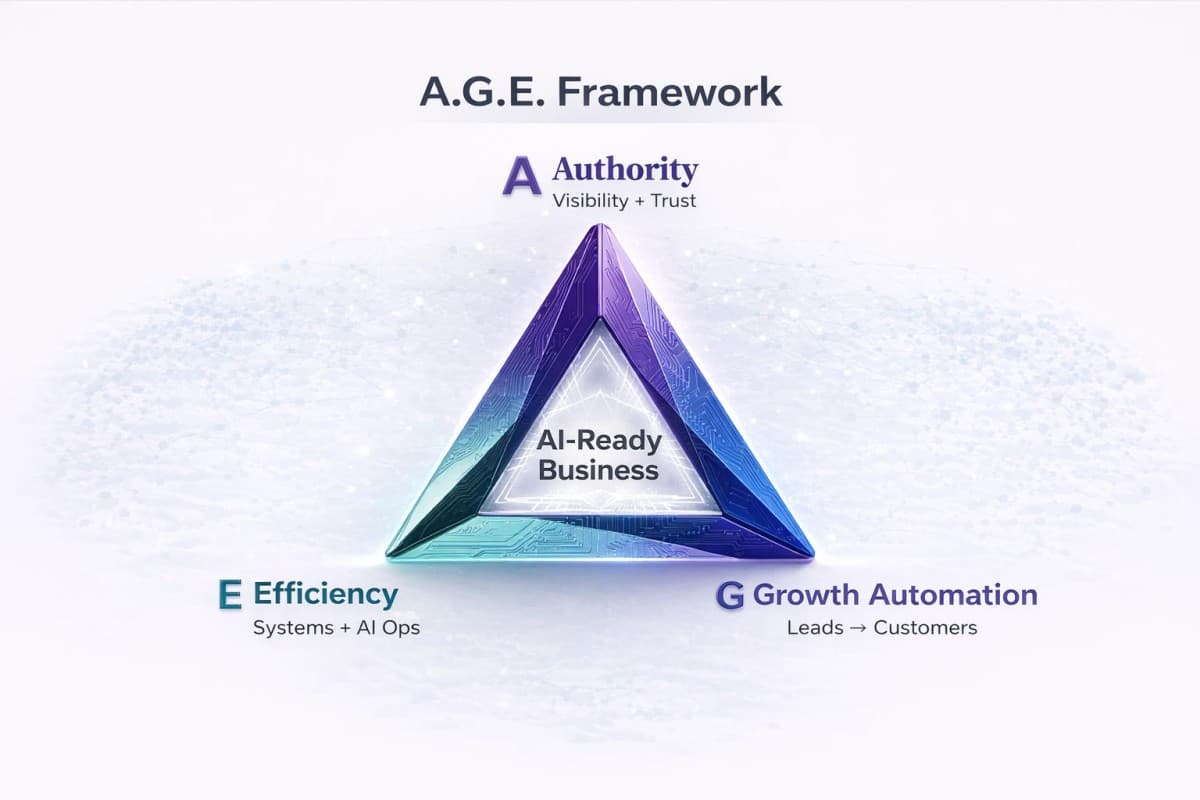
The A.G.E. Framework, developed by AI implementation consultant Sean Hyde, is providing independent restaurant operators with a structured approach to artificial intelligence through its latest application: Plates That Pay, a menu pricing tool. This development addresses a critical operational challenge for small restaurants that typically lack access to sophisticated pricing analytics available to larger chains.
Restaurant menu pricing represents one of the most consequential yet least systematic decisions independent operators make, with most setting prices based on instinct, tradition, or rough competitor analysis. The result often includes menus that either leave money on the table or quietly erode margins as food costs shift. Plates That Pay changes this dynamic by allowing operators to input actual food costs and competitive market data, with the system processing this information to output optimized pricing recommendations for each menu item.
The tool delivers focused, measurable outcomes including significant reduction in pricing guesswork, protection of margins by flagging items priced below sustainable thresholds, and automated pricing decisions that update as costs change. This creates a repeatable process where none previously existed for operators who typically have no dedicated financial analyst. More information about the underlying methodology is available at https://seanhyde.com/age-framework.
Plates That Pay reflects the three pillars of the A.G.E. Framework: Authority, which establishes credibility in AI-driven search environments; Growth Automation, which builds systems for customer acquisition; and Efficiency, which focuses on workflow optimization. For restaurants, this translates to practical AI implementation that solves specific operational problems rather than treating technology as a trend. "The businesses that win with AI are the ones that stop treating it as a trend and start treating it as infrastructure," Hyde said.
The launch comes at a time when independent restaurant operators face increasing pressure from rising food costs, labor expenses, and competition from larger chains with sophisticated pricing capabilities. This persistent disadvantage creates a gap between what large restaurant groups can afford and what independent operators can access. Hyde's work through his consulting practice Ideation Digital represents an effort to close part of that gap by making intelligent pricing decisions available at a scale and cost appropriate for single-location or small-group operators.
Documented results from consulting engagements that demonstrate the framework's application across different business contexts are available through case studies on Hyde's website. The A.G.E. Framework continues to serve as the organizational foundation for all consulting and product work, providing a clear diagnostic for where businesses lose time, revenue, or competitive positioning, along with a clear path for how AI can address these gaps.
For restaurant operators, the implications extend beyond immediate pricing improvements to include sustainable competitive positioning in an industry where margins remain consistently thin. The framework's structured approach to AI implementation offers independent businesses a methodology previously accessible primarily to larger organizations with dedicated technical resources, potentially reshaping how small and mid-sized operations leverage artificial intelligence for practical, revenue-generating applications.