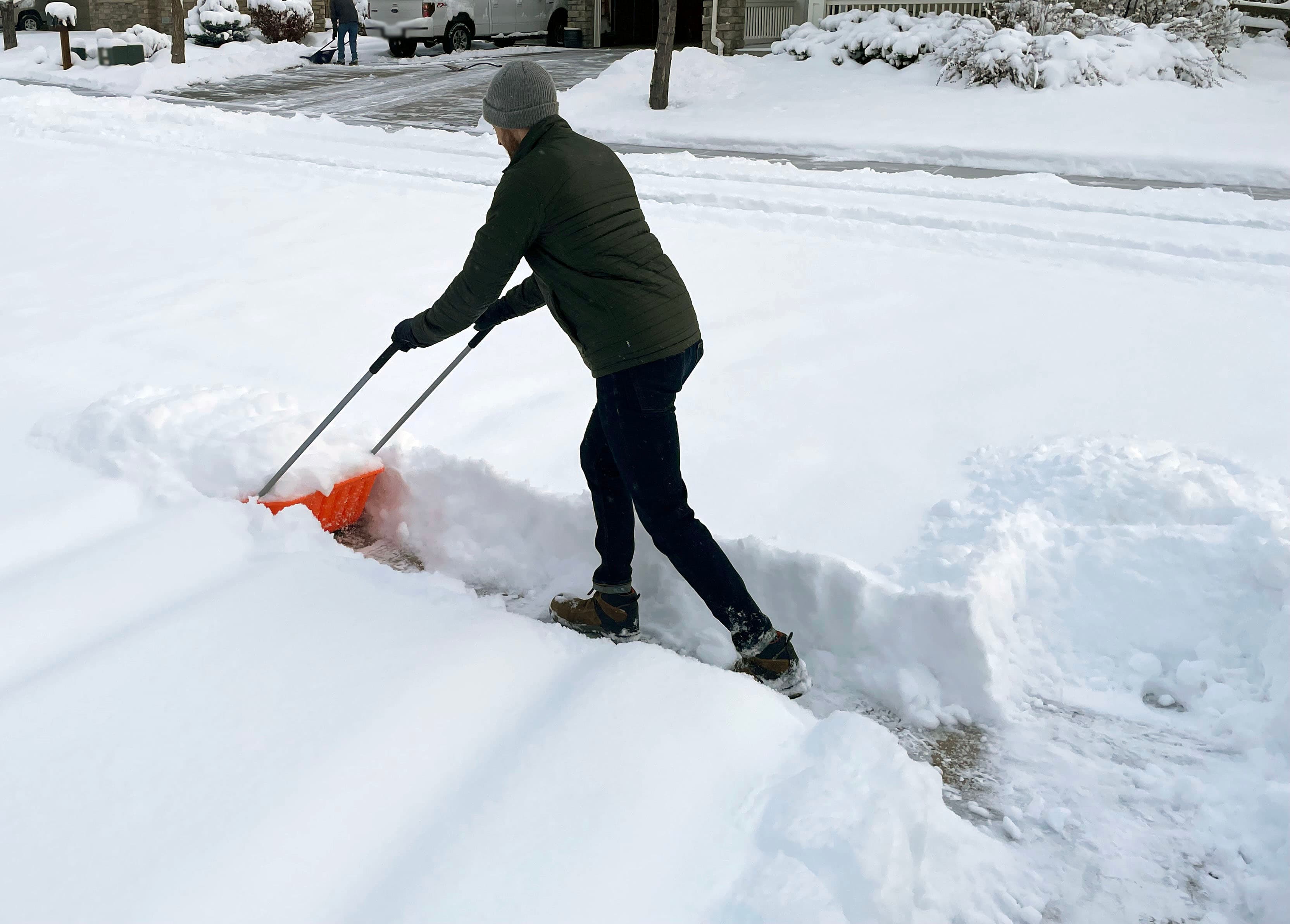
As winter storms approach, the American Heart Association (AHA) is issuing a critical warning about the hidden dangers of snow shoveling. Research indicates that this common winter chore can significantly increase the risk of heart attacks and sudden cardiac arrest, particularly for individuals with existing cardiovascular conditions or risk factors.
Dr. Keith Churchwell, AHA volunteer president and associate clinical Professor of Medicine at Yale School of Medicine, explains that snow shoveling can be as demanding on the heart as a treadmill stress test. The combination of heavy exertion and cold weather creates what Churchwell describes as a "perfect storm" for heart-related events. This risk is especially pronounced for those who are less physically active throughout the year.
The AHA's 2020 scientific statement on exercise-related acute cardiovascular events highlights snow shoveling as an activity that can place extra stress on the heart. The physical demands of shoveling snow are particularly taxing due to several factors. Firstly, it primarily involves arm work, which is more strenuous for the heart compared to leg-based activities. Secondly, individuals often unconsciously hold their breath while lifting heavy loads of snow, causing rapid increases in heart rate and blood pressure. Lastly, exposure to cold air leads to constriction of blood vessels throughout the body, further elevating blood pressure and limiting blood flow to the heart.
The implications of this warning extend beyond just those with known heart conditions. Churchwell emphasizes that individuals with cardiovascular risk factors such as a sedentary lifestyle, obesity, smoking history, diabetes, high cholesterol, or high blood pressure should also exercise extreme caution. The AHA advises that people with these risk factors, as well as those who have had a heart attack, stroke, bypass surgery, or coronary angioplasty, should avoid shoveling snow altogether.
For those who must engage in snow removal, the AHA provides several safety recommendations. These include starting gradually, pacing oneself, wearing appropriate cold weather gear, and preferably pushing or sweeping snow rather than lifting it. The use of a snow blower is suggested as a less strenuous alternative, though caution is still advised.
This warning serves as a crucial reminder of the often-overlooked health risks associated with winter weather activities. It underscores the importance of year-round cardiovascular health and fitness, as sudden exertion during infrequent activities like snow shoveling can lead to serious health consequences for those who are unprepared.
The AHA's guidance also highlights the broader implications of climate and seasonal changes on public health. As extreme weather events become more common, understanding and preparing for the health impacts of these events becomes increasingly important. This includes not only the direct risks of cold weather but also the indirect risks associated with weather-related activities.
In light of these warnings, community awareness and support systems become crucial. Neighbors and community members are encouraged to assist those who may be at higher risk, fostering a sense of collective responsibility for community health and safety during challenging weather conditions.
As winter approaches, the AHA's warning serves as a timely reminder for individuals to assess their cardiovascular health and risk factors. It encourages proactive measures, such as regular exercise and health check-ups, to ensure better preparedness for the physical demands of winter activities. The organization also stresses the importance of recognizing the signs of a heart attack or stroke and knowing how to respond, including performing Hands-Only CPR in emergency situations.
This guidance from the AHA not only aims to prevent immediate health crises but also promotes a broader understanding of how everyday activities can impact heart health. It underscores the need for ongoing public health education and the importance of integrating heart health considerations into all aspects of daily life, particularly during challenging seasons like winter.