

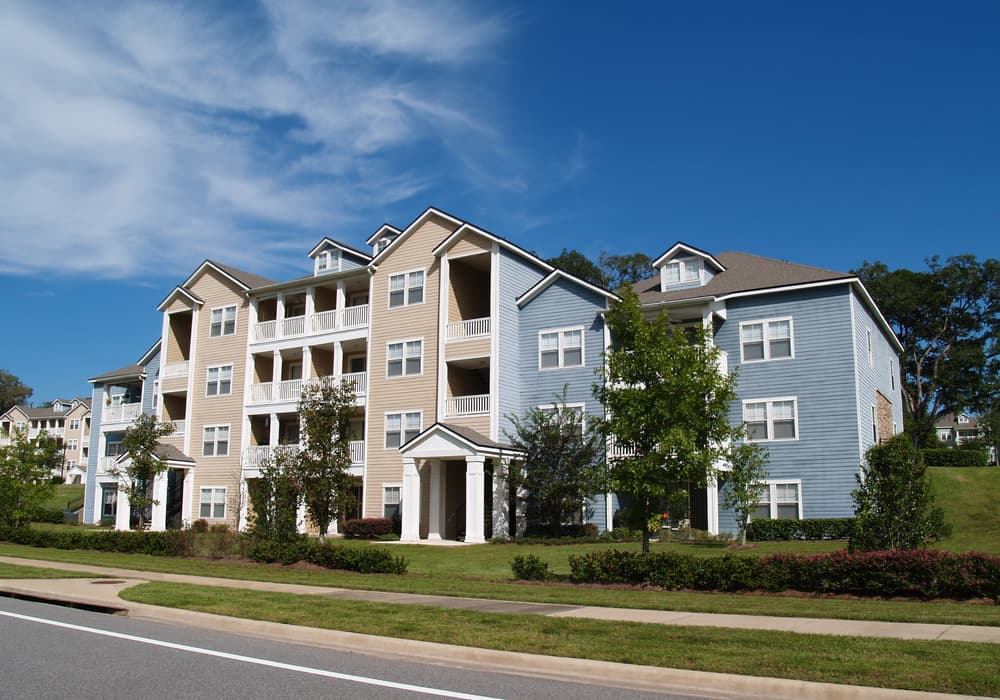
The real estate industry is bracing for a wave of apartment foreclosures, with MSCI forecasting a significant uptick in the second half of 2026. These foreclosures are expected to concentrate on properties financed in 2021 and 2022, which were acquired at the peak of the market with five-year loans. As these loans mature, they confront depressed property values, softer rents, higher operating expenses, and cap rates that have risen in tandem with interest rates. The 'extend-and-pretend' strategy, which provided a temporary lifeline for many deals, is now reaching its limit.
For buyers, lenders, and receivers, the critical question is not whether the distress will materialize, but what a takeover actually entails once the keys change hands. Ron Kutas, CEO of OneWall Communities, a vertically integrated multifamily owner-operator, dedicates most of his acquisition pipeline to these situations. He notes that many assets his team evaluates are from lenders whose loans have already matured or will mature by the end of 2026.
Kutas emphasizes that maturity defaults are rarely straightforward. 'These loan maturity defaults are never clean,' he says. The underlying asset often has a history of distress, and the more pertinent issue is whether the current ownership or the lender has the capital to fund a turnaround. Taking over management of a property that cannot be recapitalized is the worst outcome for all parties, as no amount of operational expertise can fix a building without financial backing.
The condition of the asset varies significantly based on how it arrived at default. A property whose owner recently realized a refinance was impossible may be only a few months behind on payables and service contracts. In contrast, a property that endured a year-long foreclosure, with an operator siphoning cash throughout, presents a far more severe situation.
Kutas describes a recognizable 'death spiral' sequence in assets that were propped up for two extra years. Vendors stop getting paid, services lapse, and deferred maintenance compounds. As services deteriorate, paying residents leave, and the remaining residents are often non-paying, leading to units in poor condition with no capital to renovate or leasing staff to fill them. Each problem exacerbates the next.
The first ninety days after a takeover are critical. Kutas warns that the instinct to move fast on rent is the most expensive early mistake. His estimate is that it takes about 90 days to understand the real problems, another 90 to settle on a plan, and roughly a year to execute it. There is no quick fix. The early operational work is more prosaic than a rent roll, starting with curb appeal—landscaping, pool maintenance, security, and signage. Interior work is done unit by unit, prioritized by what the local market is leasing, to avoid spending all capital at once.
The friction between owners and managers often centers on what 'ready' means. Owners may see a quick clean and minor fixes as sufficient, but Kutas points out that prospects expect genuinely move-in ready units. Paying market rent for a half-finished unit is not something renters do.
For owners still ahead of maturity, Kutas advises opening a conversation with the lender early. Lenders do not want to own the property; they want to be repaid. An owner who presents a credible plan and includes the lender before things break is more likely to find a willing partner. Conversely, an owner who stays silent until it is too late has likely lost the lender's trust.
As more 2021 vintage loans reach maturity through the end of 2026, the gap between operators who can execute a real turnaround and buyers who merely inherit deferred maintenance is likely to widen. The opportunity in this cycle is real, but it favors those who understand the time and effort involved in the recovery process.
