

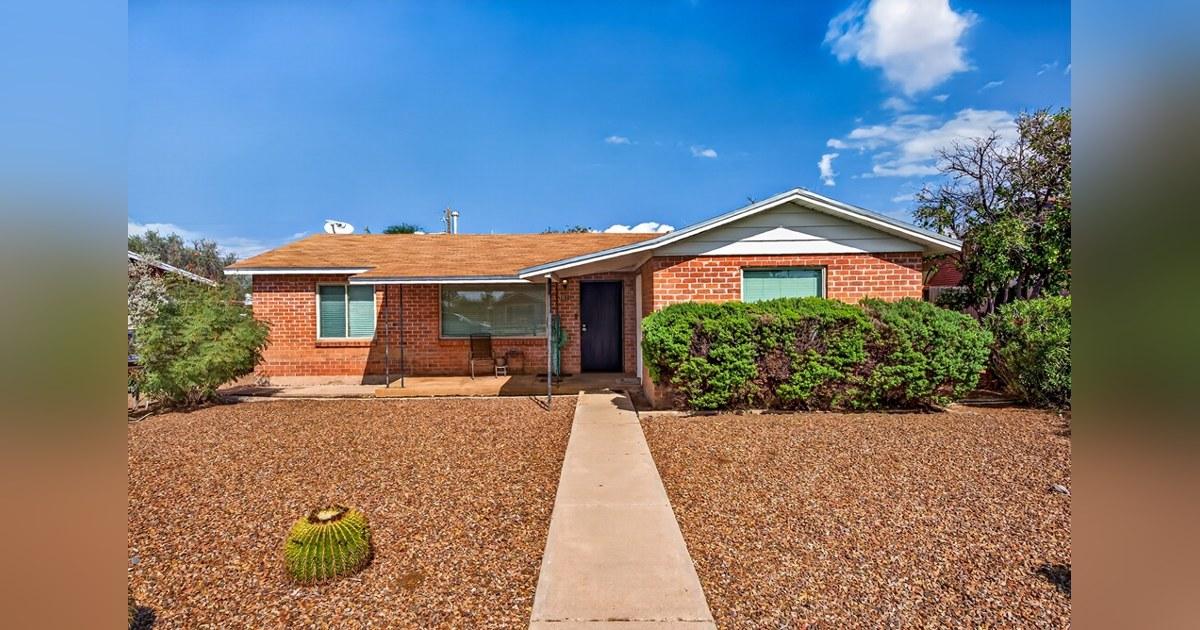
Arizona's recent changes to accessory dwelling unit laws have opened new possibilities for Tucson home buyers seeking rental income or multigenerational housing, but real estate experts caution that the laws do not automatically make every casita a rentable property. The distinction between what is legally allowed and what is practically feasible is critical for buyers to understand before making an offer.
In 2024, Arizona passed House Bill 2720, which requires larger cities to allow accessory dwelling units, commonly called casitas, on residential lots where single-family homes are permitted. House Bill 2928, signed in 2025, extended similar requirements to counties. According to Tony Ray Baker, team leader at REMAX Fine Properties, these changes are a positive development for multigenerational housing and rental supply. The laws also protect the ability to rent a qualifying unit on a long-term basis, so the old assumption that a casita in unincorporated Pima County cannot be rented is no longer generally accurate.
However, the laws set only a framework. Setbacks, building codes, lot coverage, utility requirements, and permits still apply. Moreover, a Tucson mailing address does not confirm a home sits inside the City of Tucson. Two nearly identical homes can fall under different jurisdictions—one in the city and one in unincorporated Pima County—and the rules for construction, permits, and short-term rentals can differ between them. This matters particularly in the Catalina Foothills, where many homes with guest houses are in unincorporated county territory. Pima County updated its accessory dwelling unit regulations in December 2025, allowing qualifying units to be used for long-term or short-term rentals, subject to applicable requirements. State law also lets local governments require the owner to live on the property when a newer unit is used as a short-term rental. Renting a casita for six months and advertising it for weekend stays are treated differently, and vacation rentals carry additional regulations.
Existing casitas also present challenges. A new law does not make every existing guest house eligible. Tony Ray notes that older casitas were often built under different rules, and some were approved only for specific uses. Others carry permitting or construction issues that surface only when someone investigates. Homeowners associations add another layer. Private deed restrictions and governing documents can limit rentals, modifications, parking, and how accessory structures are used, even when state law and local zoning allow the use.
For buyers, the order of operations matters. Tony Ray starts with the buyer's goal: long-term rental income, a vacation rental, housing for family, or flexible space. Each points toward different properties. From there, the sequence is to confirm whether the home is in the City of Tucson or unincorporated Pima County, verify the casita was legally built and approved for its intended use, and review rental requirements and HOA documents. If rental income is part of the financial plan, the numbers need the same scrutiny: realistic rental rates, vacancy, insurance, maintenance, utilities, and taxes. A legal rental is not automatically a profitable one.
As more casitas appear in Tucson listings, the details behind each one will matter as much as the structure itself. "I don't want my clients discovering what they can't do with a property after they own it," Tony Ray says. "I want them to know before they write the offer."
