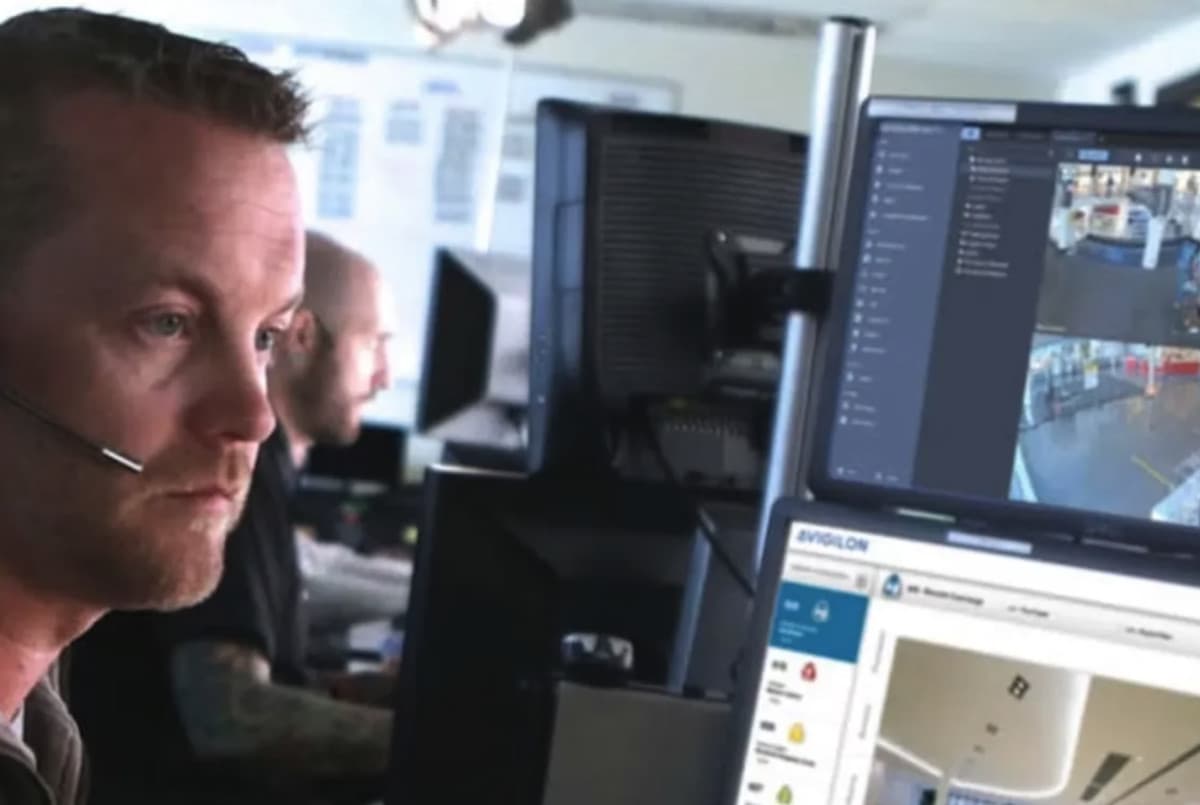
New York City's commercial properties face distinctive security challenges that make access control platform selection particularly consequential. The choice between Avigilon's cloud-native Alta system and on-premise Unity suite requires careful consideration of each property's operational tempo, compliance requirements, and growth trajectory.
Modern commercial sites throughout the NYC metro area confront unique pressures including frequent tenant turnover, union windows, historic facades, and strict code requirements. Access control systems must deliver visible uptime and clean documentation while controlling who enters buildings, when they enter, and why. The right platform aligns door access decisions with video surveillance, intercom systems, and alarms in unified workflows.
Avigilon Alta represents the cloud-native approach, focusing on speed, remote management, and continuous updates. This platform suits multi-location portfolios spanning Manhattan, Brooklyn, Queens, the Bronx, and Long Island. Buildings with frequent contractor rotations or seasonal headcount changes benefit from Alta's cloud management capabilities, which allow security teams to create doors, groups, and schedules in minutes from any device. Mobile and touchless credentials reduce plastic card issues and speed up onboarding, while unified video and access integration links door events to real-time and recorded footage for instant verification.
Operational advantages for NYC properties include remote unlocks for after-hours deliveries, faster tenant move-ins, and reduced service calls for simple changes. For portfolios stretching from Midtown to Melville, Alta's single dashboard shortens response time and increases staff capacity. The platform's automatic security updates eliminate maintenance windows, lowering IT overhead, while API-friendly integrations connect with HR systems, single sign-on solutions, ticketing platforms, and visitor management systems.
Avigilon Unity offers the on-premise alternative, designed for organizations requiring local data custody, deterministic performance, and deep integration with existing hardware. This solution fits healthcare facilities, financial institutions, public sector buildings, and critical infrastructure across the NYC metro area. Sites with strict evidence handling and audit requirements benefit from Unity's local management and storage capabilities, which keep data and configurations on-site for maximum custody and control.
The platform's granular policy enforcement supports detailed permissions, zones, and workflows that align with strict standard operating procedures. Powerful video analytics tools like appearance-based search and Focus of Attention help verify incidents quickly, while unified access and video integration links alarms with live and recorded footage. Unity's scalable, open integration through RESTful API support and broad hardware compatibility enables phased growth.
For New York City deployments, practical considerations include structured cabling and network design, power and egress requirements, door hardware selection, reader placement aesthetics, change control documentation, operator training, and growth planning. Historic lobbies and premium offices often value minimal visual impact, requiring low-profile readers and refined mounting methods that maintain design intent without sacrificing performance.
Both platforms handle video and analytics differently. Alta unification connects door activity to live and recorded video with a cloud-native experience, while Unity video analytics support fast search, appearance-based identification, prioritization views, and guided workflows. The integrator selection proves equally important as platform choice, with seasoned professionals designing for future serviceability and delivering clear documentation that reduces future service requirements.
For readers seeking additional practical comparison and local context, the full guide is available at https://www.streamlinetelecom.com. The decision between cloud and on-premise access control systems carries significant implications for operational efficiency, compliance adherence, and long-term scalability in New York City's demanding security environment.