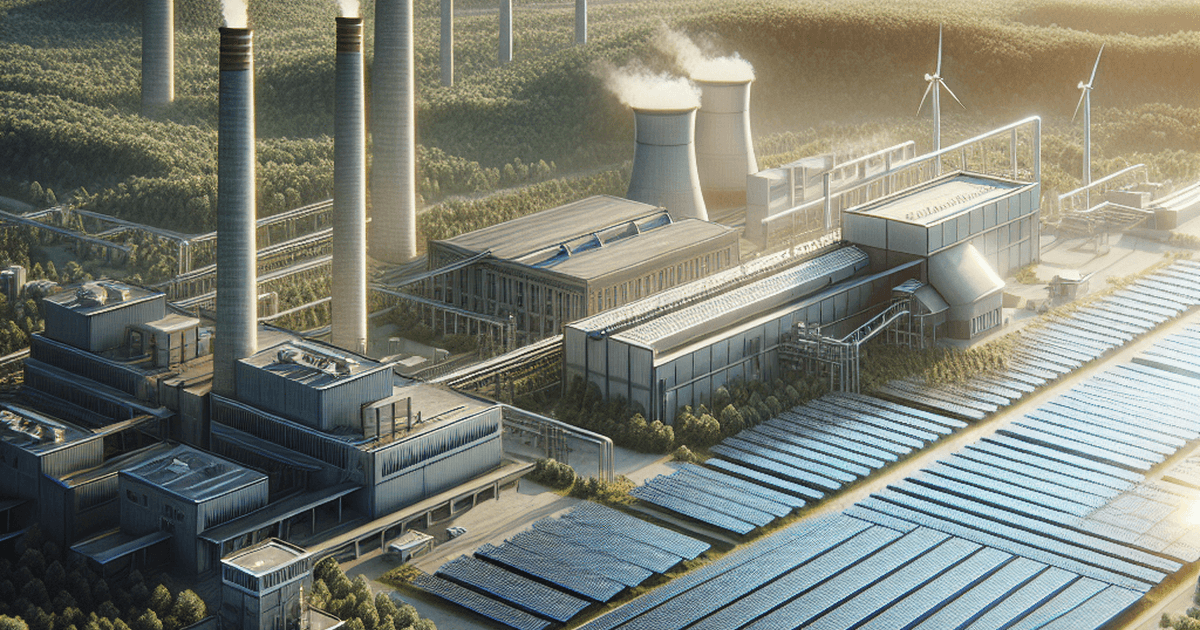
The commencement of production at Bila Solar's Indianapolis factory represents a landmark achievement in the U.S. clean energy sector. This facility, now operational, is Central Indiana's first and soon-to-be largest solar panel manufacturing plant, signaling a robust move towards reshoring clean energy manufacturing. The factory's launch is timely, aligning with increased demand for domestically produced solar components and the strategic importance of reducing reliance on imported technologies.
Bila Solar's initiative is not just about manufacturing solar panels; it's about revitalizing the American manufacturing landscape, creating over 75 advanced manufacturing jobs in its initial phase, and contributing to the local economy. The facility's production of both ultra-lightweight and conventional solar panels, utilizing U.S.-made solar cells, qualifies for the federal Investment Tax Credit (ITC), offering added value to developers and engineering, procurement, and construction (EPC) firms. This development is a testament to the effectiveness of policies aimed at accelerating American manufacturing and clean energy deployment.
The broader implications of Bila Solar's manufacturing venture are profound. At a time when the U.S. solar industry faces challenges from shifting federal policies and material tariffs, the resilience and growth of domestic manufacturing capacity are critical. The facility's planned expansion to 1 gigawatt of annual capacity underscores the potential for significant contributions to the nation's clean energy goals and energy independence. Moreover, this move highlights the importance of maintaining supportive policies to sustain the momentum in solar manufacturing and innovation, ensuring the U.S. remains a global leader in the clean energy transition.
As the U.S. solar industry continues to expand, with the addition of 8.6 gigawatts of new manufacturing capacity in the first quarter of 2025 alone, Bila Solar's Indianapolis factory stands as a beacon of progress. It exemplifies how strategic investments and policies can foster domestic manufacturing, create jobs, and advance the nation's clean energy objectives. The success of such initiatives is crucial for achieving long-term sustainability goals and securing a competitive edge in the global clean energy market.