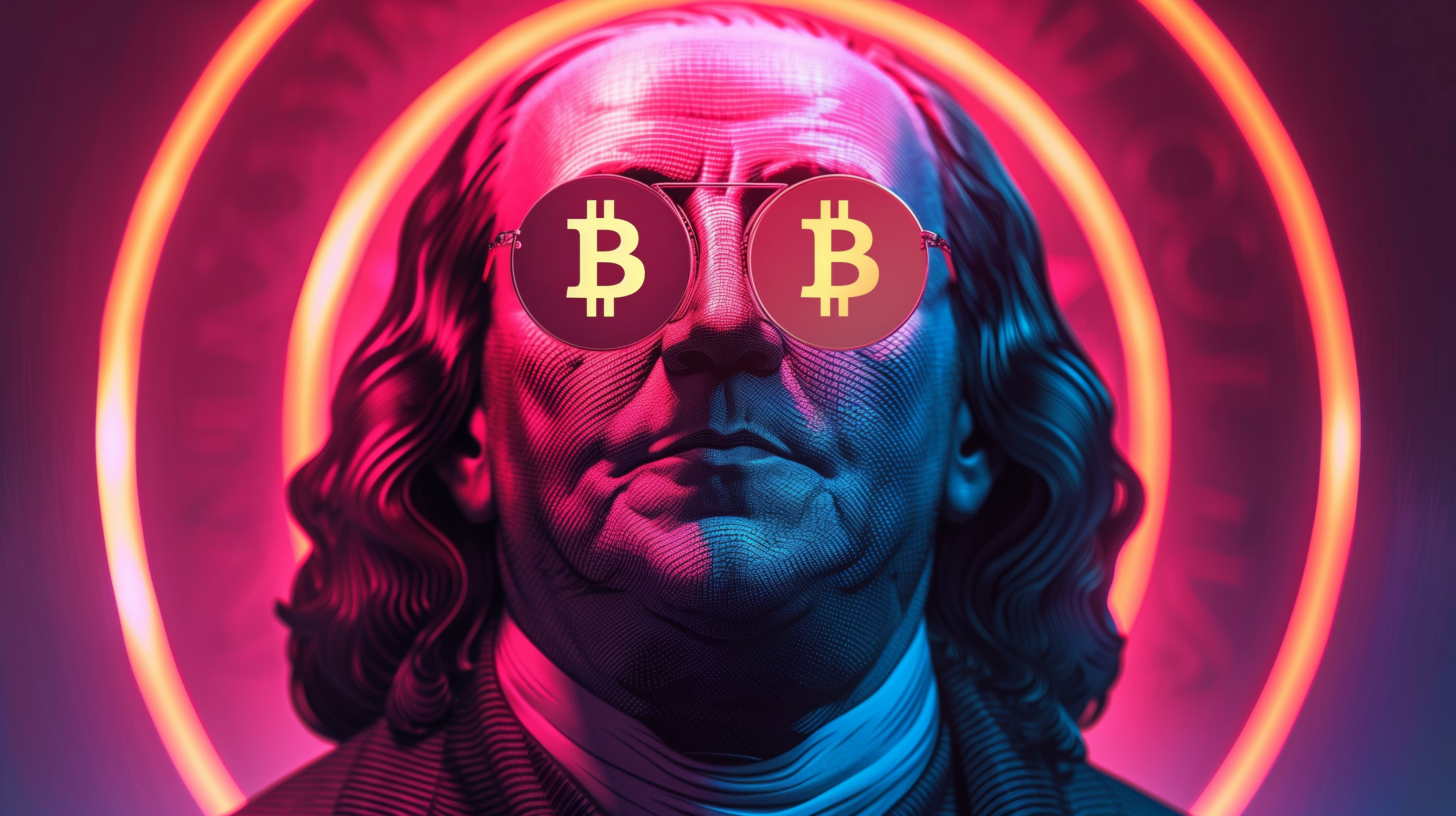
The world of cryptocurrency is witnessing a significant shift as some of the wealthiest individuals on the planet are increasingly incorporating digital assets into their investment portfolios. This trend is particularly evident in the growing popularity of Bitcoin (BTC) and Dogecoin (DOGE) among billionaires, signaling a potential sea change in how high-net-worth individuals approach wealth management and investment diversification.
At the forefront of this movement is Michael Saylor, a prominent Bitcoin advocate who has transformed his company, MicroStrategy, into one of the largest institutional holders of the cryptocurrency. As of December 2024, MicroStrategy's Bitcoin holdings stood at an impressive 423,650 BTC, valued at over $42 billion. Saylor's unwavering belief in Bitcoin as a hedge against inflation has led him to allocate a significant portion of his net worth to the digital asset, setting him apart from other wealthy investors who typically maintain more conservative cryptocurrency allocations.
Saylor's bullish stance on Bitcoin is rooted in his belief that it offers superior properties compared to traditional inflation hedges like gold. He emphasizes Bitcoin's finite supply, digital nature, security features, and independence from government control as key advantages. This perspective is gaining traction among other millionaires and billionaires, contributing to Bitcoin's recent price surge above $100,000 and its all-time high reached in early December.
On the other end of the cryptocurrency spectrum, Dogecoin has found an unlikely champion in Elon Musk, the CEO of Tesla and currently the world's richest individual. Despite its origins as a joke cryptocurrency, Dogecoin has built a strong community focused on positivity and charitable efforts. Musk's endorsement of Dogecoin as the "people's crypto" has significantly boosted its profile and value, with the digital asset currently trading at $0.4 and analysts projecting potential growth to $1 by 2025.
The divergent approaches of Saylor and Musk highlight the varied motivations driving wealthy individuals towards cryptocurrency investments. While Saylor emphasizes Bitcoin's potential as a store of value and inflation hedge, Musk's interest in Dogecoin appears to be rooted in its community-driven nature and potential for widespread adoption.
This trend of billionaire investment in cryptocurrencies is likely to have far-reaching implications for the financial industry. As more high-profile investors allocate portions of their wealth to digital assets, it could accelerate mainstream adoption and potentially influence regulatory approaches to cryptocurrency. Additionally, the increased involvement of wealthy individuals may lead to greater liquidity and stability in cryptocurrency markets, potentially reducing some of the volatility that has historically characterized the space.
For the average investor, the actions of these billionaires serve as a notable indicator of cryptocurrency's growing legitimacy as an asset class. However, it's crucial to note that the cryptocurrency market remains highly volatile and subject to regulatory uncertainties. As such, potential investors should approach the space with caution and conduct thorough research before making investment decisions.
As the cryptocurrency landscape continues to evolve, the involvement of billionaires like Saylor and Musk may serve as a catalyst for broader institutional adoption and potentially reshape traditional notions of wealth preservation and investment strategy. Whether this trend will lead to long-term changes in the global financial system remains to be seen, but it undoubtedly marks a significant moment in the ongoing integration of digital assets into the world of high finance.