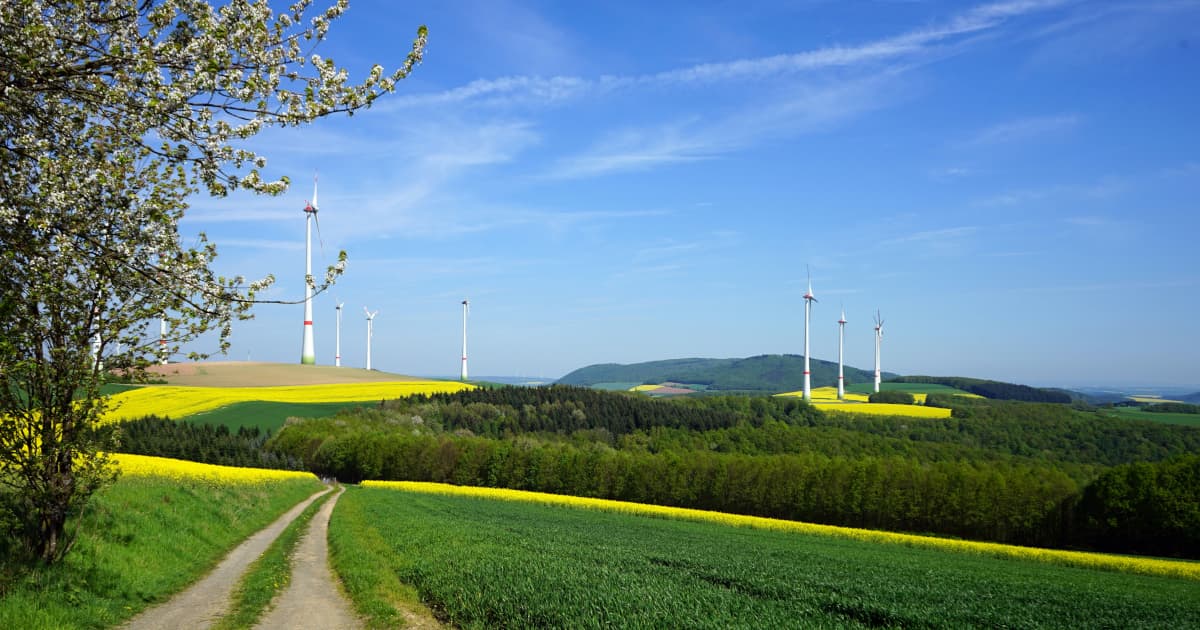
As the world seeks sustainable alternatives to fossil fuels, biogas is increasingly recognized for its potential to play a pivotal role in the transition to clean energy. Countries across Europe, including Italy, France, Germany, Denmark, and the United Kingdom, are integrating biogas into their energy strategies. This renewable energy source, primarily derived from agricultural materials, is becoming a cornerstone in efforts to reduce reliance on fossil fuels and achieve decarbonization objectives.
The importance of biogas lies in its versatility and sustainability. Unlike fossil fuels, biogas is produced from organic waste materials, making it a renewable resource that can significantly lower greenhouse gas emissions. Its adoption is not just a step towards environmental sustainability but also a move towards energy independence for many nations. For commercial and residential users, biogas presents a viable alternative that aligns with global sustainability goals.
Companies like PowerBank Corporation are at the forefront of providing renewable energy solutions, yet biogas stands out for its accessibility and the immediate impact it can have on reducing carbon footprints. The growing emphasis on biogas underscores the need for diverse energy solutions to address the global energy crisis and climate change.
The shift towards biogas and other renewable energy sources is a critical development in the global energy landscape. It represents not only an environmental imperative but also an economic opportunity for countries to innovate and lead in the green economy. As more nations recognize the benefits of biogas, its role in the energy mix is expected to expand, marking a significant step forward in the journey towards a sustainable future.