A comprehensive analysis of health records from the UK Biobank has uncovered significant variations in blood pressure development and cardiovascular disease risk between South Asian and East Asian adults, challenging previous broad categorizations of Asian populations.
Researchers discovered that South Asian adults experience elevated blood pressure approximately nine years earlier than their East Asian counterparts, with the most pronounced disparities observed in men aged 18-39 and women aged 40-64. The study, published in the journal Hypertension, provides crucial insights into the nuanced cardiovascular health risks within different Asian subpopulations.
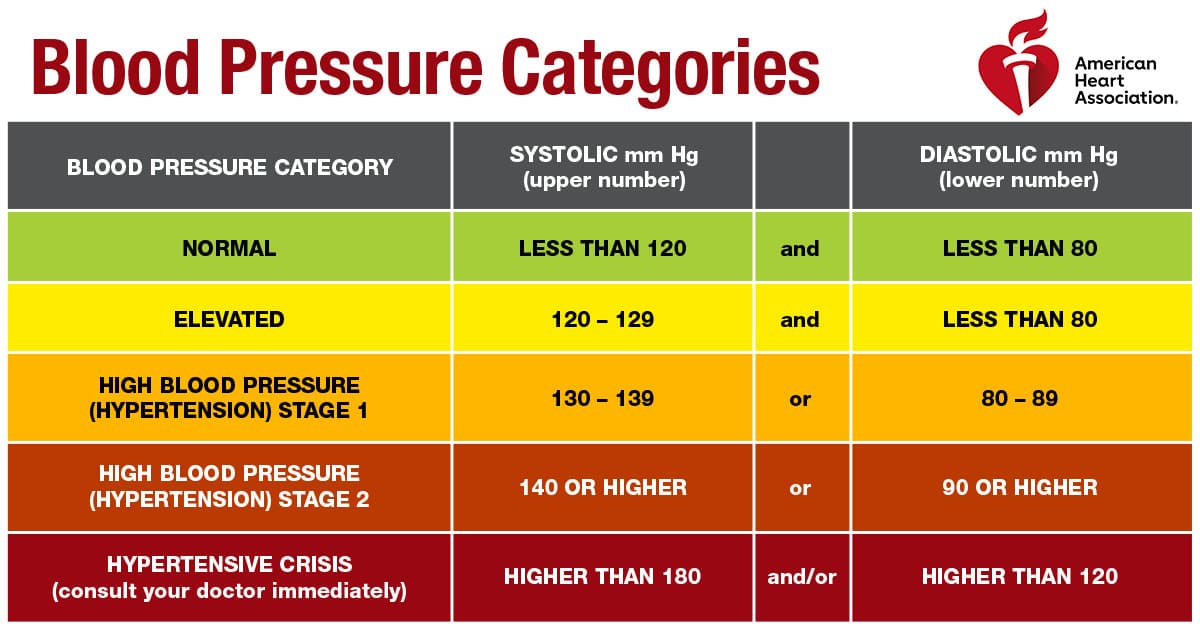
The research tracked over 3,400 adults, revealing that South Asian men are projected to reach high blood pressure levels (130 mmHg systolic) at age 36, compared to 46 for East Asian men. Similarly, women in these populations reach this threshold at ages 45 and 52, respectively.
The implications of these findings extend beyond demographic statistics. Each standard deviation increase in midlife systolic blood pressure for East Asian adults was associated with a 2.5 times higher risk of atherosclerotic cardiovascular disease and nearly a fourfold increased stroke risk. For South Asian adults, high blood pressure in early adulthood correlates with significantly higher lifetime cardiovascular disease risks.
Lead study author So Mi Jemma Cho emphasized the critical nature of these distinctions, noting that the broad 'Asian' category often obscures important health variations. The research underscores the necessity of tailored medical approaches that recognize the unique cardiovascular profiles of different Asian subpopulations.
The study also highlighted additional health disparities. South Asian adults were found to have higher body mass indices, were more likely to be on antihypertensive medications, and experienced four times the lifetime incidence of heart disease compared to East Asian adults.
Experts view these findings as a pivotal step toward more personalized healthcare strategies. The research suggests that blood pressure screenings and treatment protocols should be dynamically adjusted based on specific ethnic backgrounds, potentially improving cardiovascular outcomes for historically understudied populations.
While the study provides groundbreaking insights, researchers acknowledge limitations, including the potential non-applicability of findings to Asian populations outside the United Kingdom. The complex interplay between social factors, genetics, and cardiovascular health demands continued investigation.
This research represents a significant advancement in understanding ethnic variations in cardiovascular health, challenging healthcare professionals to move beyond generalized approaches and develop more nuanced, population-specific prevention and treatment strategies.