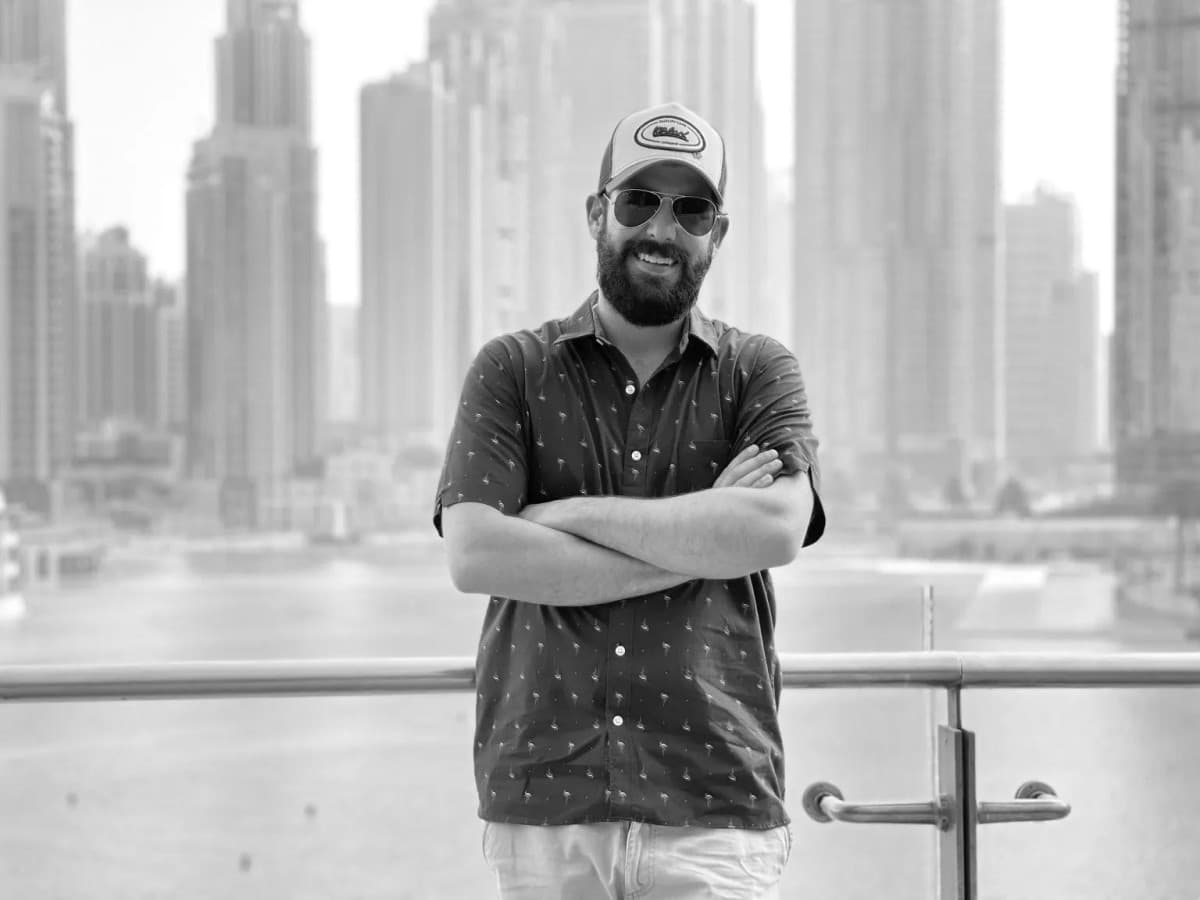
In the evolving landscape of contemporary art, photographer Brian Driggs is pioneering a transformative approach to fine art photography that transcends conventional visual storytelling. By seamlessly blending cutting-edge technology with artistic vision, Driggs is redefining how audiences interact with and experience visual art.
Driggs's innovative methodology centers on creating immersive experiences that go beyond traditional photographic exhibitions. Utilizing augmented reality (AR) and virtual reality (VR) technologies, he invites viewers to become active participants rather than passive observers. This approach fundamentally alters the relationship between art, artist, and audience, offering a more dynamic and personalized engagement with visual narratives.
The significance of Driggs's work lies not just in its technological sophistication, but in its potential to democratize art experiences. By breaking down barriers of physical access and interpretation, his immersive photography opens new pathways for understanding and connecting with artistic expression. Each piece is carefully crafted to tell a story, encouraging viewers to explore personal connections and emotional resonances.
Driggs's approach represents a critical evolution in artistic practice, reflecting broader technological and cultural shifts. In an increasingly digital world, his work demonstrates how technology can enhance, rather than replace, human creativity and emotional depth. By integrating interactive elements, he transforms photography from a static medium into a living, responsive art form.
The implications of this approach extend beyond the art world. Driggs's work suggests new models of creative engagement that could influence fields ranging from education to marketing, where immersive experiences can create deeper, more meaningful connections. His commitment to pushing technological boundaries while maintaining artistic integrity positions him at the forefront of a potential paradigm shift in how we conceptualize and experience art.
As artificial intelligence and machine learning continue to develop, Driggs's innovative approach offers a glimpse into the future of creative expression. By embracing these technologies not as replacements for human creativity, but as collaborative tools, he demonstrates a nuanced understanding of technological potential that could inspire a new generation of artists and technologists.
Ultimately, Driggs's immersive fine art photography is more than a technological showcase—it is a profound exploration of how art can adapt, communicate, and connect in the digital age. His work challenges us to reconsider the boundaries between creator, artwork, and audience, suggesting that the most powerful art is not something we merely observe, but something we experience.