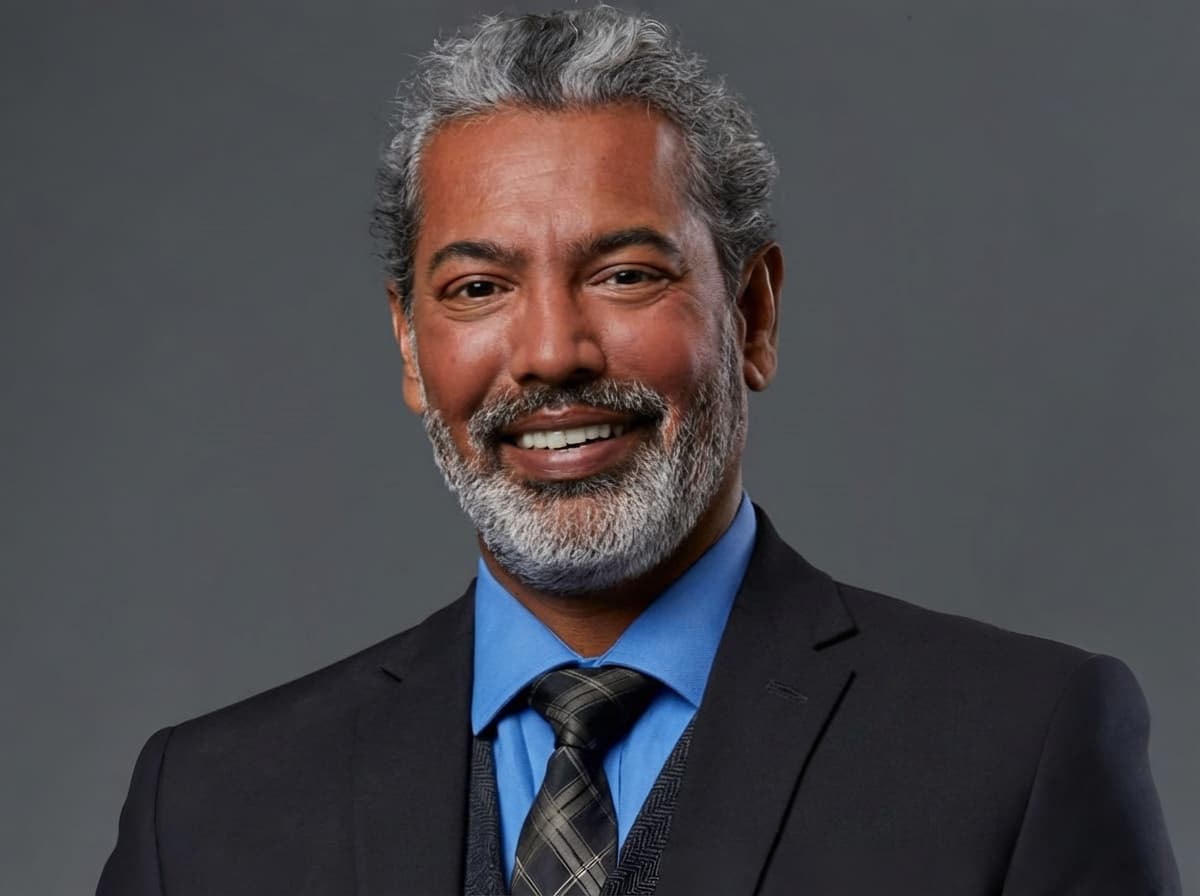
Florida's real estate market has dominated national conversations for years, often focusing on challenges like skyrocketing insurance premiums, aging condo buildings, and post-pandemic price corrections. However, this narrative consistently misses that Florida comprises multiple distinct markets rather than a single entity. "Florida is really 20 different markets wearing the same jersey," says Bobby Mathews, Broker Associate at RE/MAX Foxfire in Ocala, who brings 25 years of experience spanning three full market cycles.
While South Florida contends with special assessments, flood insurance costs, and coastal exposure, Central Florida's market dynamics present a different reality. The Ocala area, anchored by communities like The Villages, On Top of the World, and Stone Creek, maintains what Mathews describes as genuine market equilibrium. "We don't see the peaks and valleys like most of southern and coastal Florida," he explains. "We're more of a balanced market." This balance has become a competitive advantage, attracting buyers not only from out of state but increasingly from within Florida itself as residents make more deliberate choices about their preferred locations within the state.
The drivers behind Central Florida's appeal include relative affordability, space, lower coastal risk, and access to a lifestyle that major metropolitan areas cannot replicate. Ocala sits approximately 90 minutes from Tampa, Orlando, and Jacksonville, providing proximity to urban amenities while maintaining distance from congestion. The pandemic-era frenzy characterized by multiple offers, waived inspections, and extreme buyer behavior has subsided, returning the market to more traditional operations. "We're back into a balanced market now," Mathews states. "Pricing matters, positioning matters, how you market a property matters, negotiations matter. Which is really how a healthy market should function."
Mathews relies on four key indicators when reading market conditions. Inventory levels relative to sales pace provide the first read on supply and demand balance. Days on market trends reveal whether conditions favor buyers or sellers and inform pricing strategies. Buyer confidence indexes, particularly the ratio of new purchase mortgage applications versus refinance applications, offer insight into owner intentions. When refinancing outpaces new purchases, Mathews interprets this as a sign that owners plan to stay and improve rather than transact, indicating potential tightening supply ahead. Migration data serves as the fourth signal, with Central Florida experiencing net population gains over the past 15 years, a trend Mathews expects to continue.
Major employers including Amazon, Chewy, Dollar General, and FedEx have established large-scale distribution operations in the region, creating a durable employment foundation supporting housing demand. Mathews anticipates meaningful growth in multifamily housing as rental markets convert to ownership, particularly with the influx of distribution center jobs. The 55-plus community segment, a perennial strength of Central Florida, shows no signs of softening, while medical infrastructure expansion adds another demand layer. Tampa General's planned expansion northward, combined with improved highway access via the Suncoast Parkway, points to continued population movement directly into RE/MAX Foxfire's core markets.
For those seeking to understand Florida's real estate landscape, Mathews emphasizes moving beyond statewide headlines to examine local data. The Central Florida story reveals sustained fundamentals, intentional growth, and a market that rewards those who recognize the distinction between regional realities and broad generalizations. This understanding matters because it provides a framework for making informed real estate decisions in a state often characterized by volatility, highlighting opportunities in markets demonstrating consistent stability and growth.