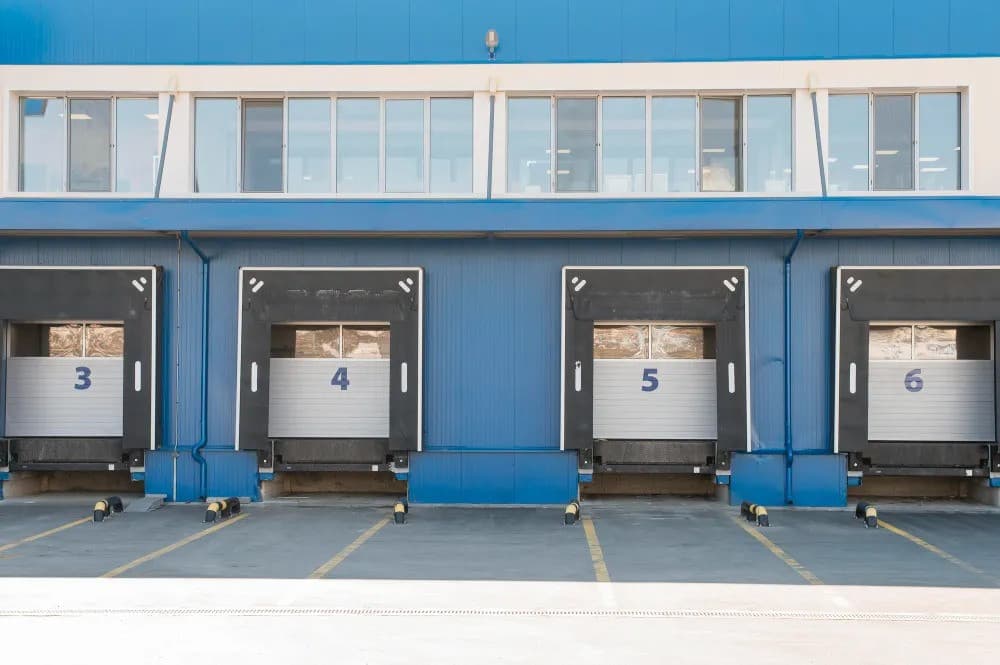
The self-storage industry is undergoing a significant transformation as climate-controlled units become increasingly essential for protecting sensitive belongings from environmental damage. With climate conditions growing more unpredictable and customers becoming more aware of preservation needs, these specialized storage solutions are redefining what consumers expect from storage facilities.
Traditional storage units often fail to provide adequate protection against extreme temperatures, freezing conditions, or excessive humidity, leaving valuable items vulnerable to deterioration. Climate-controlled storage units create carefully regulated indoor environments that maintain consistent temperature and humidity levels, making them ideal for storing electronics, photographs, musical instruments, artwork, and other delicate possessions. This protection has become particularly crucial in regions experiencing severe winters, scorching summers, or significant humidity variations.
The shift toward climate-controlled solutions represents more than just technological advancement—it reflects changing consumer priorities and environmental realities. As noted by industry leader U.S. Self Storage, customers across diverse demographics including homeowners, students, businesses, and collectors are increasingly searching for "temperature-controlled storage near me" to safeguard their valuable possessions. The company has responded by making these innovative solutions accessible in over 130 major cities throughout the United States.
Beyond basic protection, climate-controlled facilities enhance the overall storage experience through smart design features. Indoor facilities typically offer cleaner environments with reduced dust levels, improved security through controlled access and surveillance systems, and comfortable, well-lit spaces that customers can access comfortably. These amenities transform storage units from mere holding spaces into extensions of homes or offices where customers feel confident storing their most valued items.
The convenience factor extends to the reservation process as well, with companies like U.S. Self Storage offering swift online reservations that allow customers to compare unit sizes, amenities, and locations within minutes. The flexibility of securing reservations without credit cards or deposits further simplifies the process for customers with varying needs and timelines.
This evolution in storage solutions carries significant implications for both consumers and the industry. For individuals, climate-controlled storage provides peace of mind that cherished heirlooms, important business documents, valuable collections, and sensitive electronics will remain protected regardless of external weather conditions. For the storage industry, the growing demand for climate-controlled units represents both a challenge and opportunity—requiring investment in upgraded facilities while creating new revenue streams and competitive advantages.
As environmental conditions continue to fluctuate and consumer awareness increases, climate-controlled storage is transitioning from a premium option to an expected standard. This shift underscores a broader trend toward specialized preservation solutions across multiple sectors, reflecting society's growing recognition of how environmental factors impact material possessions. The storage industry's adaptation to these changing needs demonstrates how market forces can drive innovation that addresses both practical concerns and emotional attachments to personal belongings.