

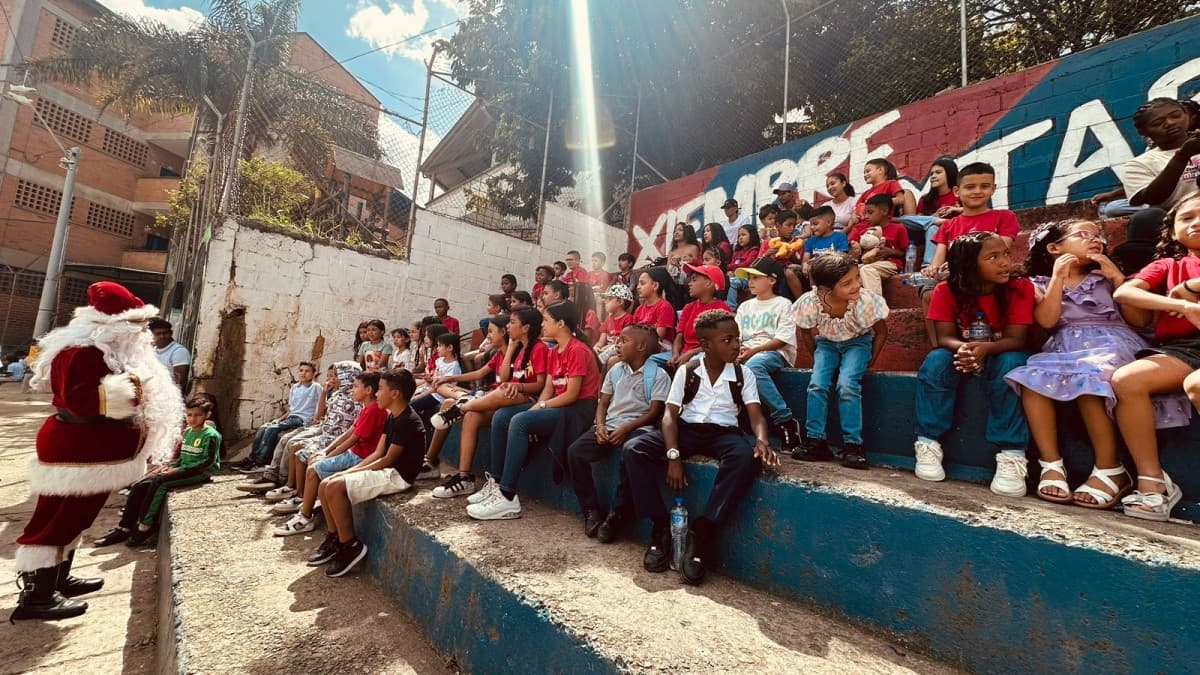
A Colombian nonprofit organization has launched a structured community development initiative that embeds mental health support directly into a broader framework of education and social impact programs. Centro de Transformacion Integral, based in Medellin, announced the program on June 4, 2026, as a coordinated effort to address the interconnected social, psychological, and educational needs of residents throughout the country.
The initiative marks a deliberate shift from single-issue interventions toward holistic community growth. At its core, the program pairs integral transformation workshops with ongoing mental health resources, creating a dual-track model that supports personal development alongside broader social change. The workshops are designed to build emotional resilience, encourage civic participation, and develop practical life skills, delivered in accessible community settings to lower barriers for residents who may not have previously engaged with formal programs.
Mental health is not offered as a standalone service but is embedded throughout the initiative. This integration reflects research-backed principles of sustainable community development, which recognize that lasting social progress depends on the psychological stability of individuals within a community. By aligning education, mental health, and workshop components under one cohesive structure, the organization positions the program as a vehicle for sustainable community development that can adapt to different populations.
While headquartered in Medellin, the program is structured to reach residents across multiple regions. The organization, operating since 2005, draws on its grassroots experience to power this expanded model of community empowerment. The initiative acknowledges that communities facing social inequality, limited access to mental health services, and gaps in educational opportunity require coordinated, sustained support rather than isolated programs.
The social impact dimension extends beyond individual participants. Families and local networks are treated as active stakeholders, with programming designed to encourage collective engagement and shared accountability for community outcomes. This model places residents at the center of their own development process, with the organization serving as a facilitator. Local community members are encouraged to take on active roles, building the internal capacity of neighborhoods to sustain positive change over time.
The launch represents a concrete step by Centro de Transformacion Integral to expand its work in Colombia, bringing structured, resource-backed programming to communities where access to holistic support has historically been limited. For more information, visit Centro de Transformacion Integral.
