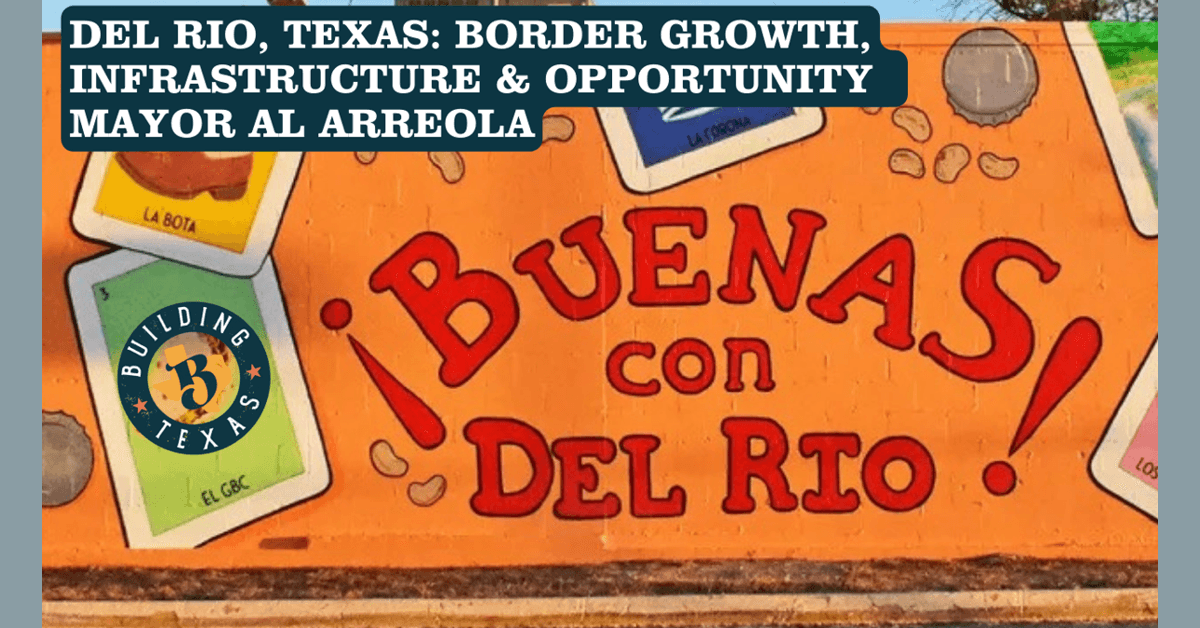
In a recent interview on The Building Texas Show, Del Rio Mayor Al Arreola detailed the city's strategic approach to economic development, infrastructure investment, and cross-border cooperation that positions this Texas border community for sustainable growth. The conversation revealed how Del Rio is moving beyond national border discussions to focus on practical, long-term development rooted in collaboration and strategic planning.
A key element of Del Rio's economic stability is Laughlin Air Force Base, which serves as a significant economic anchor and attracts highly skilled professionals to the region. Many military personnel who arrive for service ultimately choose to remain in Del Rio, drawn by the city's quality of life, affordability, and strong sense of community. This military presence provides consistent economic activity and skilled workforce development that benefits the entire region.
Mayor Arreola emphasized the growing regional cooperation between Del Rio and neighboring Mexican cities including Ciudad Acuña, Eagle Pass, and Piedras Negras. Rather than competing, these border communities are aligning around shared objectives including economic growth, secure ports of entry, and efficient cross-border commerce. The mayor stressed that what impacts one city ultimately affects the entire region, making cooperation essential for mutual prosperity.
Infrastructure development emerges as the defining priority for Del Rio's future. The city is focused on ensuring its water and wastewater systems, transportation networks, and border crossings can support anticipated growth in industry, population, and trade. A proposed second international bridge represents a significant long-term investment in mobility, supply chain efficiency, and economic resilience, though the project has generated some controversy within the community.
Tourism and outdoor recreation continue to play vital roles in Del Rio's economy, with Lake Amistad serving as a major attraction for anglers, hunters, and visitors from across Texas. This natural resource supports events, hospitality businesses, and seasonal tourism despite fluctuating water levels that occasionally challenge the region. The city's ability to maintain this tourism sector contributes to economic diversity and stability.
Throughout the discussion, Mayor Arreola returned to the theme of Del Rio's identity as a welcoming, relationship-driven community. He noted that from cross-border families and military households to entrepreneurs and visitors, the city's culture of hospitality remains one of its strongest assets. "This is a city built on friendship," Arreola explained, referencing the enduring meaning of Amistad. "People come here and feel like they belong—and that's what makes them stay."
The interview provides insight into how Del Rio is positioning itself for the coming decade, focusing on practical infrastructure improvements, regional cooperation, and measured growth rather than political rhetoric. This approach matters because it demonstrates how border communities can develop sustainable economic strategies that acknowledge both their unique challenges and opportunities. For residents, this means potential job creation, improved infrastructure, and enhanced quality of life. For the broader region, Del Rio's success could serve as a model for other border communities seeking to balance security concerns with economic development. The full conversation is available through YouTube where The Building Texas Show hosts interviews with leaders across Texas.