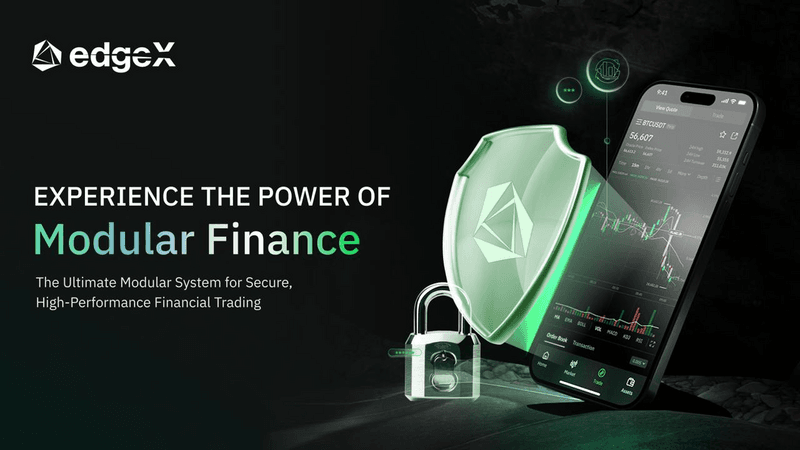
In a significant development for the decentralized finance (DeFi) sector, edgeX has announced the launch of its high-performance, modular financial system. This innovative platform aims to democratize the creation of DeFi products, allowing users to build financial tools with ease, regardless of their coding expertise. The announcement comes at a time when blockchain technology and cryptocurrency assets are gaining unprecedented mainstream attention, highlighted by the recent approval of Bitcoin ETFs and the subsequent surge in Bitcoin's price to nearly $74,000.
edgeX's modular design offers a unique approach to DeFi, drawing comparisons to the flexibility and simplicity of assembling LEGO bricks. This design philosophy allows for the integration of multiple modules, including trading, liquidity, lending, insurance, leverage, UI/UX, and wallets. The platform's architecture is engineered to minimize entry barriers while ensuring high performance and scalability, potentially addressing some of the key challenges that have hindered widespread DeFi adoption.
The timing of edgeX's launch is particularly noteworthy, given the recent collapses of several centralized crypto trading and asset management platforms, such as FTX and Genesis. These incidents have underscored the importance of decentralized, non-custodial platforms that can operate autonomously on-chain, providing enhanced security for users without the need for Know Your Customer (KYC) requirements or direct regulatory oversight.
Incubated by Amber Group, a globally recognized liquidity provider and digital asset manager with approximately $5 billion in assets under management, edgeX brings considerable industry expertise to the table. The platform serves around 30 banks and 2,000 institutions, positioning it as a potentially significant player in bridging the gap between traditional finance and the burgeoning world of DeFi.
The team behind edgeX boasts an impressive pedigree, with members hailing from prestigious financial institutions such as Morgan Stanley, Barclays, Goldman Sachs, and Bybit. Collectively, they bring over seven years of exchange operations experience and have facilitated trading volumes of up to $2 trillion since 2017. This blend of traditional finance and cryptocurrency expertise could prove crucial in developing a platform that meets the complex needs of both retail and institutional users.
edgeX has outlined an ambitious product roadmap, with key milestones including the launch of its mainnet Web platform in August 2024, followed by mobile apps in September, and the introduction of its Epool feature in October. The company aims to develop additional ecosystem components in Q4 2024, release its own L1 blockchain network in Q1 2025, and aspires to become a top 3 decentralized derivatives platform by Q2 2025.
The implications of edgeX's modular approach to DeFi are potentially far-reaching. By lowering the barriers to entry for creating DeFi products, the platform could spark a new wave of financial innovation, enabling a wider range of participants to contribute to the ecosystem. This democratization of DeFi development could lead to more diverse and tailored financial products, potentially accelerating the sector's growth and adoption.
Moreover, edgeX's focus on creating a user experience similar to that of centralized exchanges, while maintaining the security benefits of decentralization, could help address one of the key obstacles to wider DeFi adoption. By combining the familiarity and convenience of traditional trading platforms with the security and autonomy of blockchain technology, edgeX may be well-positioned to attract both crypto natives and newcomers to the space.
As the DeFi sector continues to evolve and mature, platforms like edgeX that prioritize modularity, scalability, and user-friendliness may play a crucial role in shaping the future of decentralized finance. The success of this approach could have significant implications for the broader financial industry, potentially accelerating the integration of DeFi principles into mainstream financial services and contributing to a more open, efficient, and accessible global financial system.