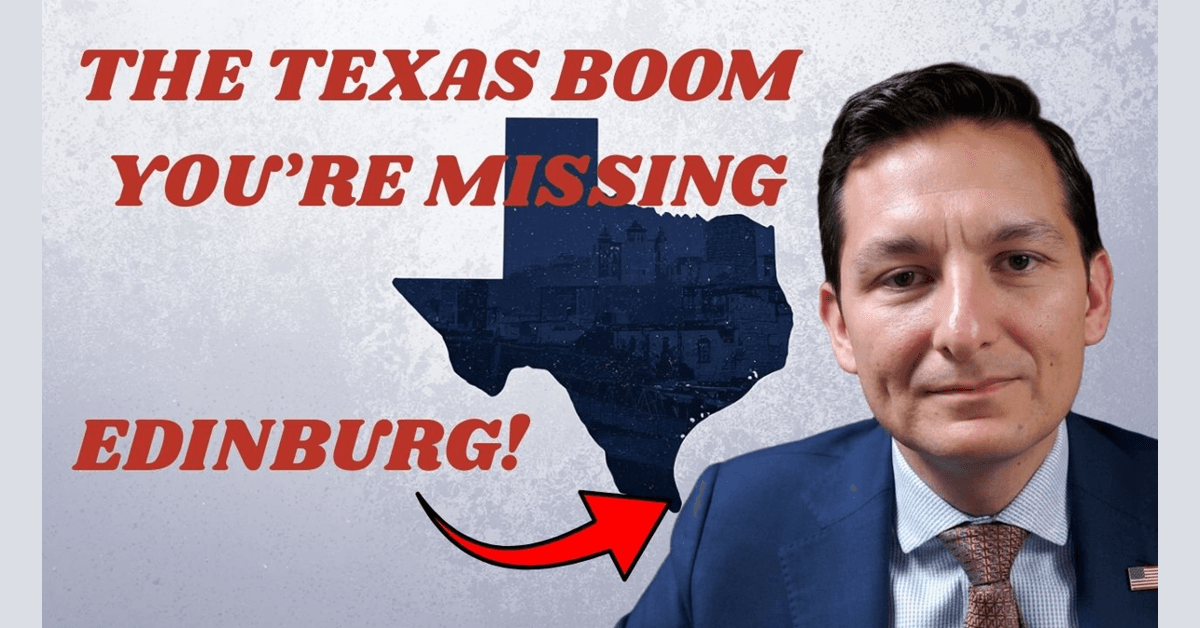
Edinburg, Texas represents a significant shift in economic development strategy within the Rio Grande Valley, moving from inter-city competition to regional collaboration that positions the entire area for sustainable growth. According to Mayor Omar Ochoa, this cooperative approach has unlocked greater access to funding, infrastructure investment, and workforce development opportunities across multiple counties, creating a more resilient regional economy.
The Rio Grande Valley serves as a critical logistics and trade corridor for the United States, yet continues to diversify well beyond its agricultural roots. During a conversation on The Building Texas Show, Ochoa outlined how trade, manufacturing, retail, aerospace, and cross-border commerce have created economic stability that helps insulate the region from shocks that often hit other parts of the country harder. This diversification matters because it creates job security and economic opportunity for residents while strengthening national supply chains.
Edinburg's particular advantages include significant available land along major transportation corridors, making it attractive to site selectors, industrial developers, and expanding employers. Unlike many built-out cities, Edinburg has room for responsible growth that balances immediate opportunity with long-term sustainability. The city's proactive economic development strategy focuses on this balanced approach, which could serve as a model for other mid-sized cities seeking to compete on a national and global scale.
Quality of life investments play a central role in Edinburg's appeal, with the city hosting year-round cultural, civic, and entertainment events that draw professionals and families from across Texas and beyond. Known as the "City of Festivals," Edinburg combines these amenities with a lower cost of living and strong community pride, creating an environment that retains local talent while attracting new residents. This matters because quality of life directly impacts workforce retention, business attraction, and overall community health.
Regional leadership emphasizes accessibility and transparency through digital planning tools and active engagement, making it easier for residents, businesses, and investors to understand where Edinburg is headed. This approach to modern city-building demonstrates how mid-sized Texas cities can leverage their unique advantages while collaborating regionally. The full conversation about these developments is available on YouTube through The Building Texas Show, which explores the people, places, and leadership shaping Texas's future.
The implications of Edinburg's growth strategy extend beyond city limits, offering a case study in how regional cooperation can transform economic prospects across multiple communities. By pooling resources and aligning transportation planning, the Valley has shifted toward a model that benefits all participating cities while supporting shared institutions like UT Rio Grande Valley. This matters for readers because it demonstrates how strategic planning and collaboration can create economic resilience that withstands national trends, potentially influencing development approaches in other regions facing similar challenges.