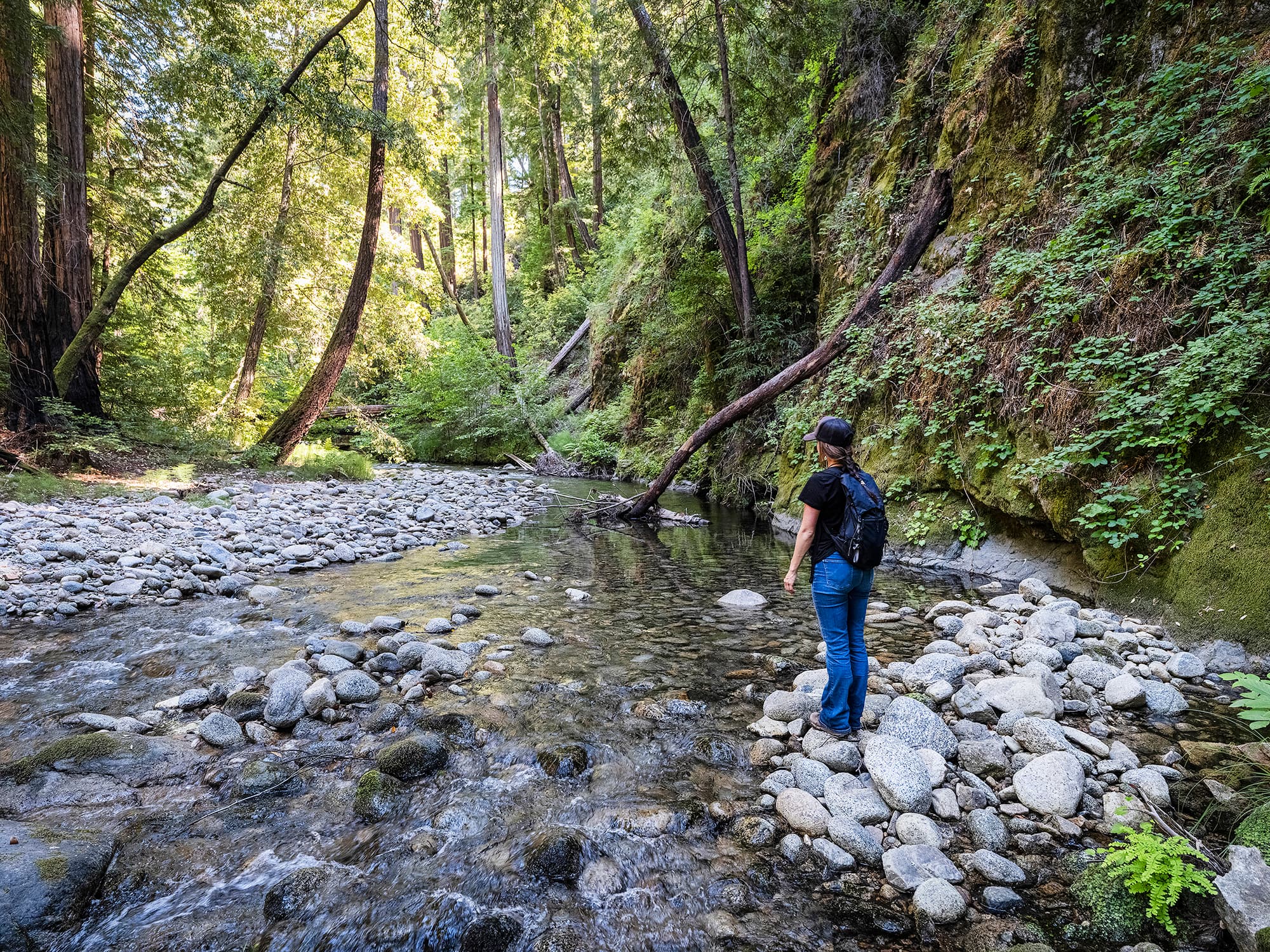
The Esselen Tribe of Monterey County has secured an additional 327-acre parcel along the Little Sur River, continuing a landmark conservation effort that reconnects Indigenous peoples with their ancestral lands while preserving critical ecological habitats.
The Pico Blanco property, located in the heart of California's Big Sur coast, represents more than a land transfer. It is a spiritual reconnection for the Esselen Tribe, who consider the area the 'Center of the Esselen World' and the birthplace of their creation story. The land features 1.3 miles of the Little Sur River and contains one of the largest old-growth redwood stands on the Central Coast.
This conservation effort builds upon a previous land transfer in July 2020, when Western Rivers Conservancy conveyed the 1,199-acre Adler Ranch to the tribe. Together, these two properties now protect 2.3 miles of vital habitat for endangered species, including the California condor, California red-legged frog, and threatened steelhead trout.
The ecological significance of this land transfer cannot be overstated. The Little Sur River is considered the Central Coast's most pristine spawning stream for South-Central California Coast steelhead, making its preservation crucial for regional biodiversity. By returning the land to the Esselen Tribe, conservation partners are ensuring long-term environmental stewardship by those with the deepest historical connection to the landscape.
Tribal Chairman Tom Little Bear Nason emphasized the profound cultural importance of the land, stating that the opportunity to reconnect with the river and ancient redwoods fulfills a deeply meaningful part of the tribe's mission. Jana Nason, a tribal descendant, described the experience as a spiritual homecoming, highlighting the deep reciprocal relationship between the Esselen people and their traditional territories.
The project was made possible through collaborative efforts involving Western Rivers Conservancy, the Wildlife Conservation Board, and the Silicon Valley Monterey Bay Council of Boy Scouts of America. This partnership demonstrates a growing recognition of Indigenous land management practices and their critical role in environmental conservation.
By transferring these lands, Western Rivers Conservancy continues its three-decade-long commitment to marrying conservation goals with tribal land return, recognizing Indigenous nations as the original and most effective stewards of these ecosystems.