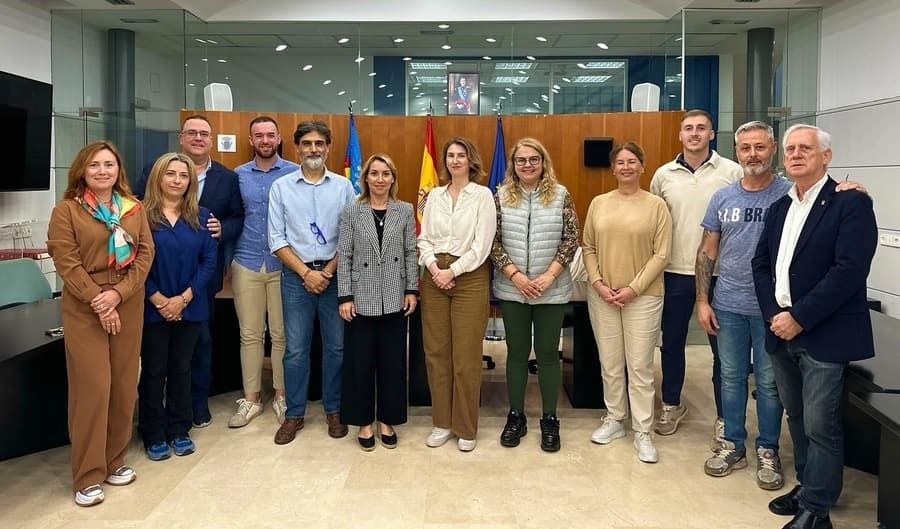
Dr. Isabelle Brianso, Vice-Rector of the University of Culture at the University of Avignon and an esteemed examiner for the Council of Europe, has recently completed an insightful visit to Valencia, Spain, to explore 'The Way of the Holy Grail' project. This initiative, promoted by the International Association Cultural Itinerary 'The Way of the Holy Grail' in Europe, has garnered significant attention for its potential to serve as a cornerstone of European cultural heritage.
During her visit, Dr. Brianso expressed profound admiration for the project's quality and the dedication demonstrated by the team behind it. The initiative, formally known as The Way of the Holy Grail, Route of Knowledge, Way of Peace, has been meticulously developed over recent years, connecting various regions and key historical sites across Europe. Notable locations include the Cathedral of Valencia, home to the renowned Holy Chalice, and the Castello Nuovo in Naples.
The comprehensive program, coordinated by Dr. Ana Mafé García and Nathalie Kohl, encompassed visits to crucial cultural and historical landmarks such as the Museo San Pío V and the Casa Museo de la Roca. Dr. Brianso's itinerary also included meetings with representatives from prominent Valencian institutions and key figures from France and Italy, underscoring the project's international scope and collaborative nature.
A significant aspect of Dr. Brianso's visit was her engagement with the local scientific community at the Polytechnic University of Valencia and discussions with María Ruíz, head of the Cultural Tourism Unit at Turismo Comunidad Valenciana. These interactions highlighted the project's potential for academic and cultural exchange across Europe, emphasizing its role in fostering a shared European heritage through art, literature, and historical study.
The timing of the visit coincided with the annual feast of the Holy Chalice at Valencia Cathedral, providing Dr. Brianso with a firsthand experience of the deep historical connections between Valencia and the Holy Grail. This immersion into local traditions, including the involvement of the Fallas community in promoting the historic route, offered valuable insights into the cultural significance of the project.
Dr. Brianso's endorsement of 'The Way of the Holy Grail' as a significant cultural heritage initiative carries substantial weight in the academic and cultural spheres. It underscores the project's potential to enrich knowledge, strengthen connections within Europe, and inspire future collaborations that highlight the shared history and cultural legacy of the continent.
The implications of this project extend beyond mere historical interest. By connecting various European regions through a shared cultural narrative, 'The Way of the Holy Grail' has the potential to foster greater understanding and unity among European nations. It offers a unique platform for cultural diplomacy, promoting peace and mutual respect through the exploration of shared heritage.
Furthermore, the project's focus on sustainable, regenerative, and circular tourism aligns with contemporary priorities in cultural preservation and environmental consciousness. This approach not only ensures the longevity of historical sites but also promotes responsible tourism practices that benefit local communities along the route.
As the project gains recognition from esteemed figures like Dr. Brianso, it is likely to attract increased attention from cultural institutions, governments, and educational bodies across Europe. This could lead to enhanced funding opportunities, expanded research initiatives, and the development of educational programs centered around the rich history of the Holy Grail and its significance in European culture.
The emphasis on passing this legacy to new generations through cultural and educational exchanges with young Europeans is particularly noteworthy. It suggests a forward-thinking approach to cultural heritage preservation, ensuring that the historical significance of 'The Way of the Holy Grail' remains relevant and engaging for future generations.
In conclusion, Dr. Brianso's visit and subsequent endorsement of 'The Way of the Holy Grail' project mark a significant milestone in its recognition as a vital component of European cultural heritage. The initiative's potential to unite diverse regions, promote cultural understanding, and inspire academic collaboration positions it as a valuable asset in the ongoing effort to strengthen European identity and cooperation through shared cultural narratives.