

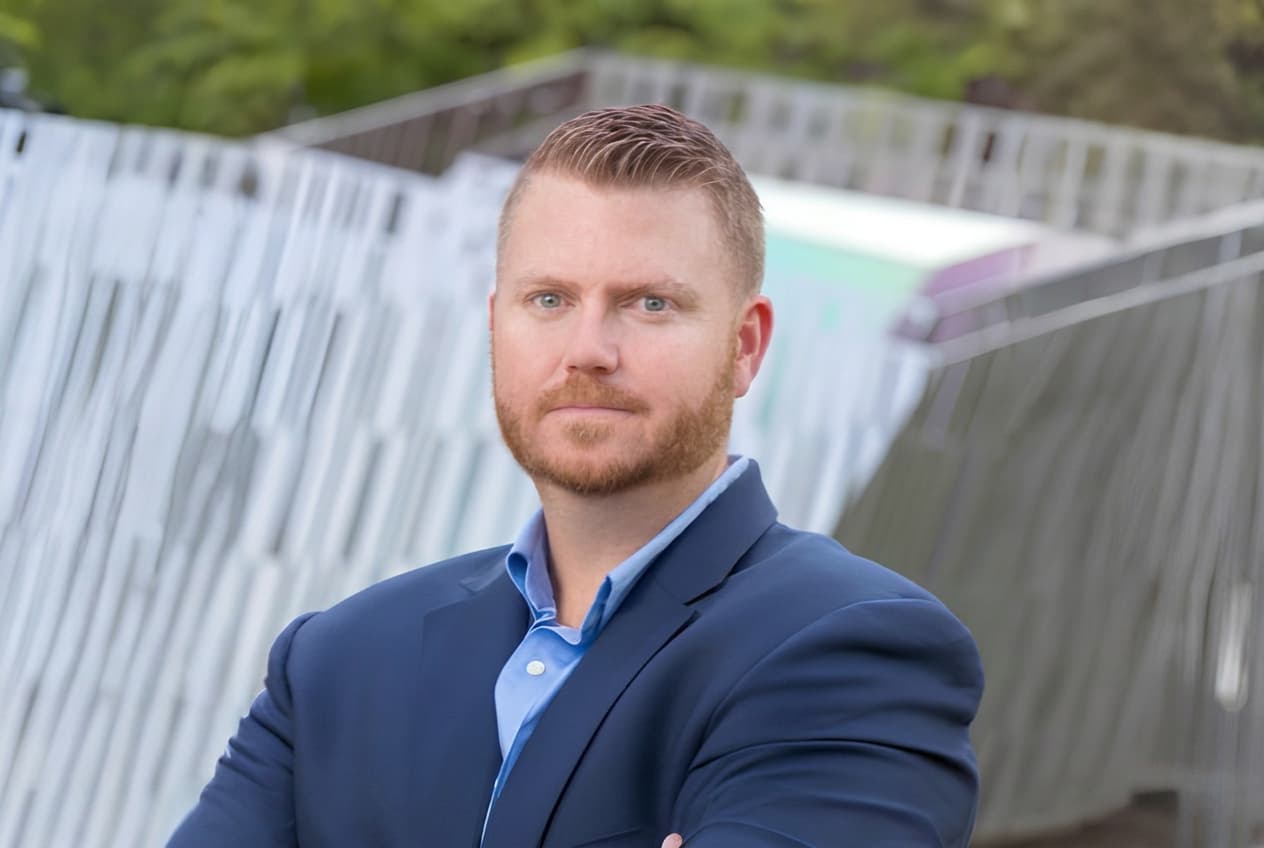
There are roughly 100 million renters in the United States, representing one third of the country. For most of them, the financial knowledge that would help them transition to homeownership, get out of debt, build a credit score, and save a down payment was never taught in school, by their parents, or by their landlord. Steven Libman, founder of Investing With Purpose™, views this as both a societal failure and an opportunity. Through 15 years of operating multifamily real estate, Libman has built a faith-driven community investment model where financial literacy is a central pillar of how residents are served. That model is now being advanced through Investing With Purpose, with a live example at a property owned by Integrity Holdings Group (IHG), a firm Libman co-founded.
The wealth gap this model addresses is stark. The average homeowner in the United States has a net worth of over $350,000, while the average renter has a net worth of around $10,500. This gap is not primarily about income; it is a gap of knowledge, access, and compounding decisions made without the right information.
Libman is direct about how the financial world has failed ordinary people. People have been told that managing money is too complex for the average person. They hand capital to advisors who chase returns, pay CPAs who file returns but never proactively identify ways to reduce what is owed, and rent because homeownership feels distant. “We have done a really good job of reconciling our giving and our philanthropy to our core values,” he says. “But when it comes to our investments, we outsource our conscience and our thinking to someone else.” The same dynamic plays out in housing: renters who might become homeowners within two or three years with education and a structured plan instead remain tenants for decades.
A current example of the model in action is a 418-unit property in Lubbock, Texas, owned and operated by IHG. The property runs a financial literacy program in partnership with Dave Ramsey’s Financial Peace University, delivered by on-site ministry coordinators. The program is free for residents and covers debt reduction, credit building, and savings strategies. This is the same Asset Ministry Program framework that Investing With Purpose advances across its own portfolio. What makes the Lubbock program particularly notable is that the 418-unit community consists of individually deeded duplexes. Residents who complete the program and hit qualifying milestones have a pathway to purchase their own unit, moving from tenant to homeowner. “Maybe the single mom who thought she would be renting forever is, two years later, a landlord,” says Libman. “That changes the trajectory for her and her kids.”
It would be easy to read this as philanthropy dressed up as business, but retention data from properties running this model is unambiguous. Residents who have six or seven friends in the same complex are roughly 45 to 50 percent less likely to leave. Lease attrition at properties running structured community engagement programs drops by 40 to 50 percent. Lower turnover means lower costs, more stable income, and better performing assets. The financial literacy program is not a cost center; it is an investment in community stability, which is an investment in asset stability. Investing With Purpose is also developing summer tutoring and kids’ programming at several portfolio properties to address the learning gap affecting children in multifamily housing during school breaks.
The Lubbock program is relatively new, but the framework is replicable, and Libman is applying it across a growing portfolio through Investing With Purpose. The broader question it raises is what responsibility an operator has to the people living inside its assets. For most operators, the answer stops at maintenance, safety, and lease compliance. For a faith-driven operator, Libman argues that answer is insufficient. “Where people live affects almost everything their life touches,” he says. “The communities they are building, the people they are with, if we can impact somebody’s life inside a community, and then you see the butterfly effect of that, it is immeasurable.” More information on the Asset Ministry Program and the firm’s broader community investment model is available at investingwithpurpose.org/impact.
