The Functional Longevity Summit, hosted by Boston BioLife in Arizona, brought together physicians, researchers, and health innovators for three days of scientific lectures, continuing medical education, and hands-on demonstrations of emerging health technologies. Unlike many wellness events, this summit focused specifically on the future of personalized precision medicine, highlighting several key developments that could reshape healthcare approaches.
Advanced diagnostics emerged as a central theme, with experts emphasizing their crucial role in preventative medicine for developing personalized care strategies. This represents a fundamental shift from reactive treatment to proactive health management, where individuals can receive tailored interventions based on their specific biological markers and risk factors. The integration of sophisticated diagnostic tools allows for earlier detection of potential health issues, potentially preventing more serious conditions from developing.
Regenerative approaches were another significant focus, with discussions centered on how these methods aim to reduce invasive surgeries through integrative care. By harnessing the body's natural healing mechanisms, these approaches offer alternatives to traditional surgical interventions that often involve longer recovery times and greater risks. This evolution in medical practice could transform how conditions are treated across multiple specialties, moving toward less invasive options that promote natural healing processes.
Therapeutic Plasma Exchange gained particular attention as a technique growing in popularity within longevity medicine for its potential anti-aging benefits. This medical procedure, which involves removing, treating, and returning blood plasma, represents the cutting edge of interventions aimed at extending healthy lifespan. As research in this area advances, it could offer new avenues for addressing age-related decline and maintaining optimal physiological function later in life.
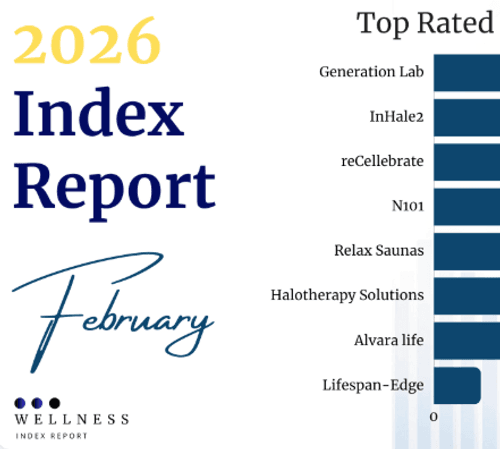
These developments are being tracked and verified through platforms like the Biohacking Index, a verified ratings and reviews platform focused on biohacking, longevity, and human performance available at https://www.biohackingindex.com. The platform exists to bring clarity, credibility, and accountability to one of the fastest growing areas of health and wellness by elevating companies that consistently deliver real-world results. Similarly, Wellness Eternal, a data-driven health education company dedicated to advancing truth, safety, and efficacy in wellness and biohacking, provides research and verified ratings to help individuals and practitioners make informed decisions about emerging health solutions at https://www.wellnesseternal.com.
The implications of these developments extend beyond individual health choices to broader healthcare systems and economies. As preventative and regenerative approaches gain traction, they could potentially reduce healthcare costs associated with chronic disease management and invasive procedures. The shift toward personalized medicine also raises important questions about accessibility, insurance coverage, and regulatory frameworks for emerging technologies. For practitioners, these developments necessitate ongoing education and adaptation to incorporate new diagnostic tools and treatment modalities into clinical practice.
The summit's focus on combining scientific rigor with practical application reflects a maturation of the longevity medicine field, moving from speculative concepts toward evidence-based interventions. This convergence of traditional medical expertise with innovative technologies creates new possibilities for extending healthspan—the period of life spent in good health—rather than simply extending lifespan. As research continues to validate these approaches, they may become increasingly integrated into mainstream medical practice, fundamentally changing how healthcare is delivered and experienced.