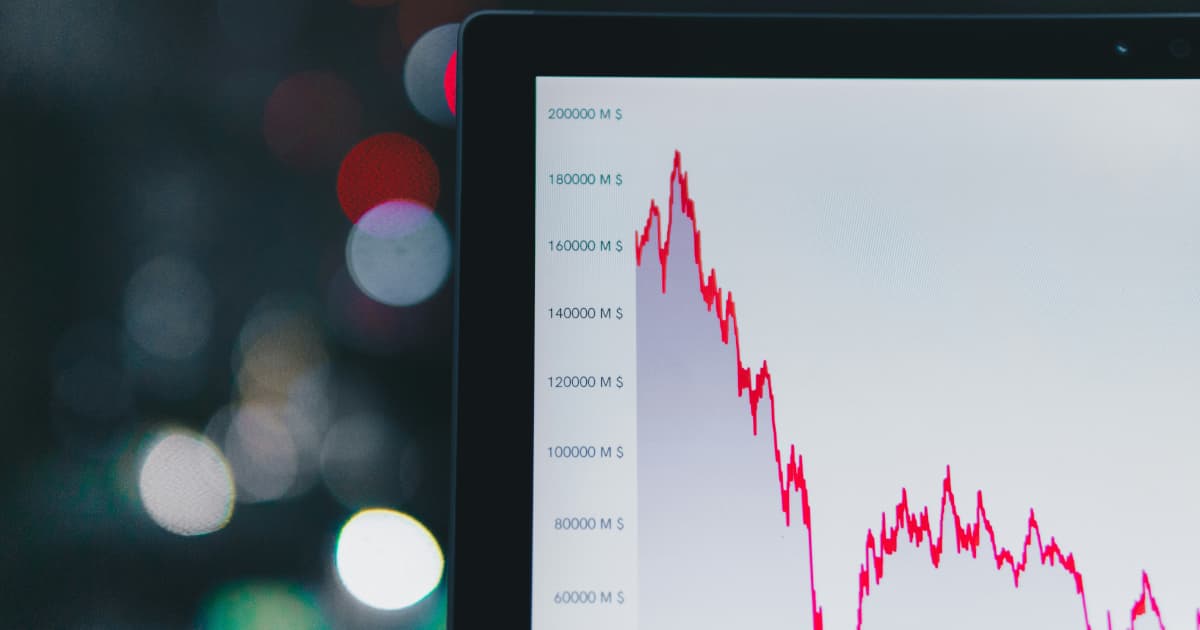
Precious metals markets experienced notable declines as escalating geopolitical tensions in the Middle East raised concerns about potential inflation spikes and global economic recession. Gold and silver prices have slumped during what industry observers describe as a challenging period for the sector, with market participants closely monitoring how evolving geopolitical events might influence economic conditions in coming weeks.
The connection between Middle East conflict and precious metals pricing stems from traditional market behavior where geopolitical instability often drives investors toward safe-haven assets like gold. However, current market dynamics reflect a more complex relationship where the potential economic consequences of prolonged conflict—specifically inflation acceleration and recessionary pressures—are creating downward pressure on precious metals valuations. This represents a departure from conventional market responses to geopolitical uncertainty.
Industry participants including companies like New Pacific Metals Corp. (NYSE American: NEWP) (TSX: NUAG) are recalibrating their strategies in response to these market movements. The precious metals sector faces particular vulnerability during periods of economic uncertainty that combine both inflationary pressures and recessionary risks, creating conflicting signals for traditional investment patterns in gold and silver markets.
The current market conditions highlight the interconnected nature of global economic systems, where regional conflicts can trigger cascading effects across commodity markets worldwide. For investors and industry stakeholders, understanding these dynamics requires monitoring multiple factors simultaneously, including geopolitical developments, inflation indicators, and broader economic growth projections. The situation underscores how precious metals markets serve as barometers for both immediate geopolitical concerns and longer-term economic stability assessments.
Market analysis suggests that the coming weeks will be critical for determining whether current trends represent temporary volatility or signal more fundamental shifts in precious metals investment patterns. Industry observers emphasize that while geopolitical events typically drive short-term market movements, their potential to trigger broader economic consequences—particularly inflation spikes that could prompt central bank policy responses—creates additional layers of complexity for precious metals valuation. This environment requires careful navigation by both mining companies and investors who must balance traditional safe-haven asset characteristics with emerging economic realities.
For comprehensive coverage of mining industry developments, readers can visit https://RocksAndStocks.news for specialized communications and insights into sector dynamics. Additional information regarding content policies and disclaimers is available at https://RocksAndStocks.news/Disclaimer.