

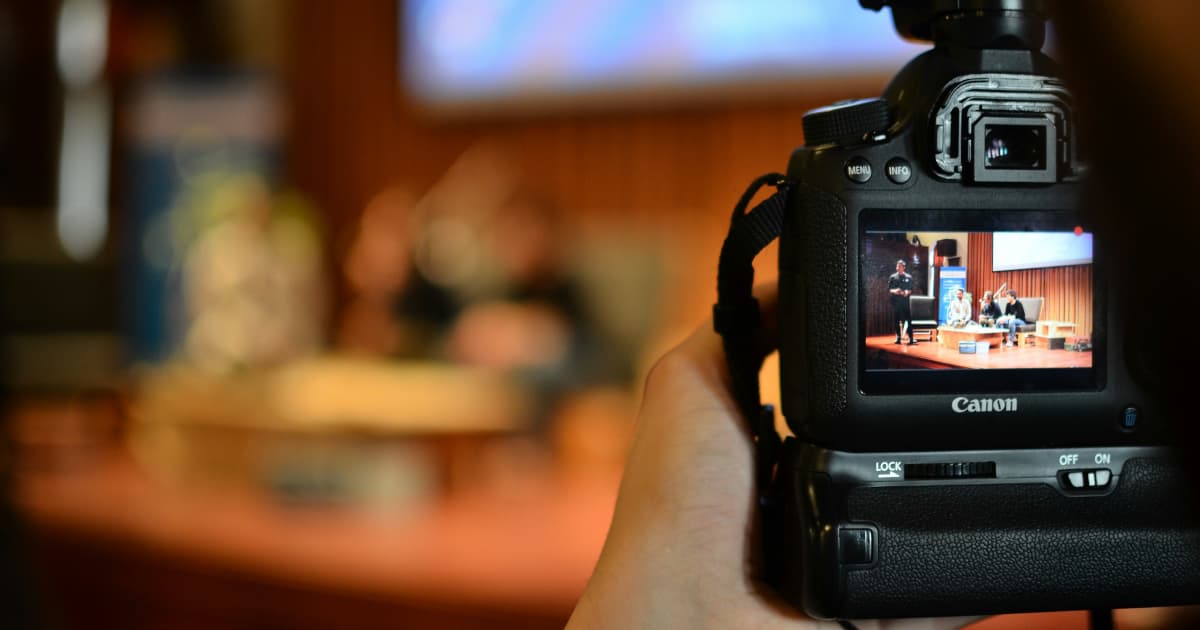
The Mohammed bin Rashid Al Maktoum Knowledge Foundation, in partnership with the United Nations Development Programme, has launched the 10th edition of the Knowledge Summit at Dubai World Trade Centre, gathering global leaders to establish frameworks for sustainable knowledge economies. This year's theme, 'Knowledge Markets: Developing Sustainable Communities,' reflects the growing recognition that knowledge has become a strategic asset in the global economic landscape.
Her Highness Sheikha Latifa bint Mohammed bin Rashid Al Maktoum inaugurated the summit, which convenes ministers, dignitaries, and senior officials from around the world. The event underscores the critical importance of international collaboration and expertise exchange among decision-makers across institutions. His Excellency Jamal bin Huwaireb, CEO of MBRF, emphasized that over the past decade, the Knowledge Summit has established a strong global standing as an annual gathering for creative minds and policymakers.
The summit's significance extends beyond theoretical discussions, focusing on practical applications of knowledge for human development and prosperous futures. H.E. Rebeca Grynspan, Secretary-General of the United Nations Conference on Trade and Development, highlighted the alignment between MBRF's commitment to advancing knowledge movements and the UAE's efforts to build a knowledge-based economy. "Knowledge is a driving force of human advancement," Grynspan stated, noting that transforming visions into reality requires innovation, courage, and belief in ideas that shape a better future.
A key development at the opening ceremony was the announcement of the Global Knowledge Index 2025 results, available through the foundation's digital platforms at https://www.mbrf.ae. Switzerland ranked first globally, followed by Singapore and Sweden, while the UAE led Arab nations with Saudi Arabia and Qatar following. The index serves as a crucial benchmark for nations assessing their knowledge infrastructure and capabilities.
H. E. Dr. Abdallah Al Dardari, UN Assistant Secretary-General and Director of the UNDP Regional Bureau for Arab States, articulated the transformed nature of knowledge in contemporary society. "Knowledge is no longer confined to academic institutions or research facilities, as it has become a strategic asset that defines a country's position in the new global order and opens unprecedented avenues for sustainable development," he explained.
The summit's first day featured extensive panel discussions, interactive dialogues, and workshops led by prominent specialists, experts, academics, and decision-makers. These sessions explored critical themes including knowledge markets, innovation, sustainability, community development, technology, education, environmental considerations, and knowledge governance. The comprehensive program addresses how knowledge economies can drive sustainable development across multiple sectors.
For participants and global observers, the Knowledge Summit represents a pivotal platform for shaping policies that will determine how nations leverage knowledge assets for economic growth and community wellbeing. The discussions and outcomes from this gathering are expected to influence national strategies and international cooperation frameworks in the evolving knowledge economy landscape. Additional information about the summit's proceedings and outcomes can be accessed through the official UNDP knowledge portal at https://www.undp.org.

