

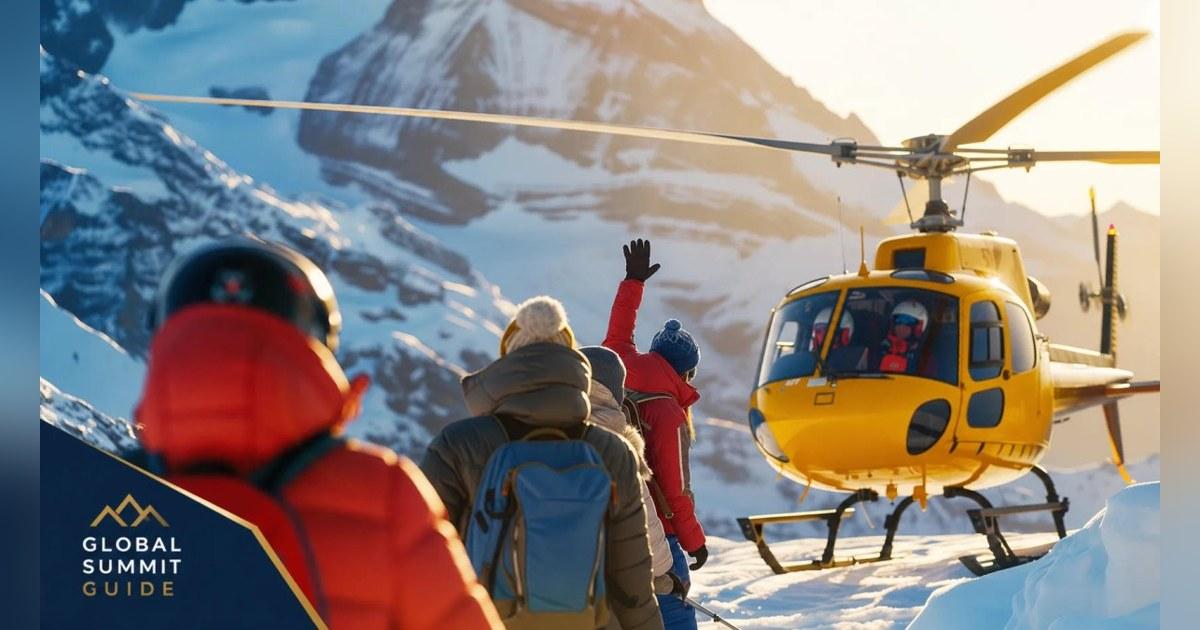
Global Summit Guide, an independent mountain adventure and travel research platform founded in 2026, has announced a significant expansion of its editorial scope. Originally focused on climbing routes, expedition planning, and comparative research for technical ascents, the platform now covers seven distinct ways to experience mountain destinations. This move broadens its reach to hikers, trekkers, ski enthusiasts, cyclists, rail travelers, and those seeking mountain stays, extending well beyond the technical climbing community.
The expansion organizes content into seven defined travel styles: mountaineering and mountain climbing for technical routes and summit attempts; hiking and trekking for trails ranging from day walks to multi-week expeditions; pilgrimage trails with cultural or spiritual significance; ski resorts and winter sports with destination research and conditions guidance; scenic mountain drives and rail journeys for travelers experiencing high-altitude landscapes by road or train; mountain biking and cycling tours covering trail networks and road routes; and mountain stays, including alpine lodges and retreats. This structure acknowledges that mountain tourism involves a wide spectrum of engagement levels, from casual visitors to experienced climbers.
The platform’s shift reflects a deliberate broadening of its intended audience. Where the original Global Summit Guide model centered on expedition planning, the Seven Summits, and technical route information, the expanded platform now addresses everyone from those planning a first mountain vacation to those managing multi-month climbs. Mountain safety and sustainable tourism remain embedded across all seven categories, treating practical safety information and responsible travel guidance as standard components rather than supplementary additions. This is particularly important as global mountain exploration draws more visitors to sensitive high-altitude environments.
The platform functions as an independent research resource covering mountain destinations across multiple continents and travel styles, spanning both well-documented ranges and less-visited regions. By consolidating all seven travel styles into one platform, Global Summit Guide positions itself within a segment of travel media that has historically separated technical mountaineering from broader adventure travel and mountain tourism coverage. The site serves as a reference for travelers at any point along that spectrum—from booking alpine lodges to managing the logistics of a multi-month climb.
Coverage includes travel guides oriented toward specific mountain destinations, as well as content addressing practical dimensions such as gear considerations, route conditions, and seasonal planning for activities ranging from ski resorts to trekking corridors. The platform’s independent editorial stance means its destination research is not tied to commercial partnerships with specific operators or accommodation providers, offering readers unbiased information. For the travel industry, this consolidation could signal a shift toward more integrated mountain travel planning, while for readers, it provides a single, comprehensive resource for mountain adventure research. More information is available at the platform’s website, and visual resources can be found at this image link.
