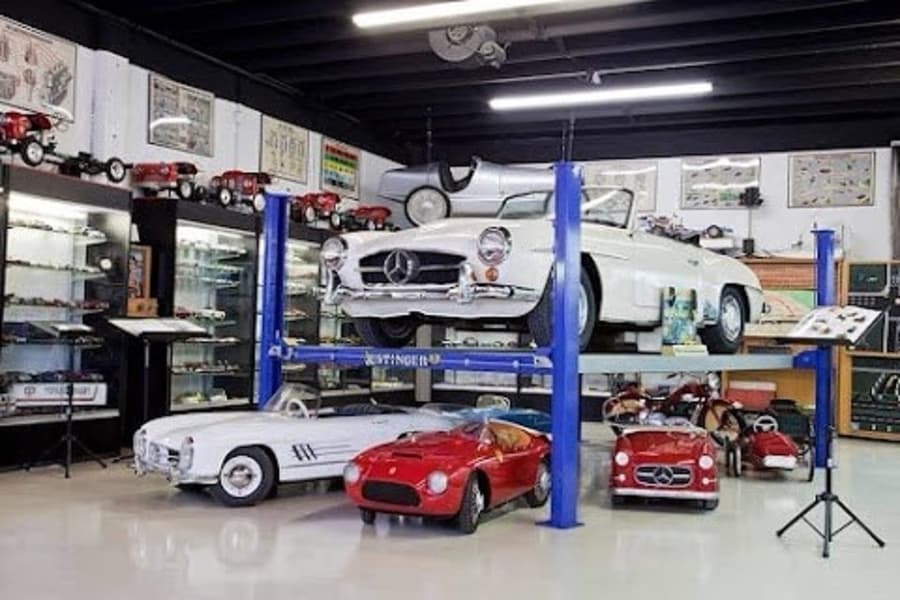
In a significant loss for Haltom City, Texas, the DFW Elite Toy Museum, a free public attraction featuring an extensive collection of antique automotive toys and collector cars, is set to move to Fort Worth. The relocation comes after museum owner and local entrepreneur Ron Sturgeon encountered insurmountable zoning and parking requirements in his attempts to expand the facility within Haltom City.
Sturgeon, who has been a fixture in the Haltom City business community for five decades, began his search for a new location six months ago as the museum outgrew its current space. Despite his preference to remain in Haltom City, where his business roots run deep, Sturgeon faced bureaucratic hurdles that ultimately led to his decision to relocate.
The museum's move raises important questions about urban planning, small business support, and the preservation of cultural institutions in smaller cities. Sturgeon's experience illuminates the challenges that can arise when cities lack flexibility in their zoning and land use policies. In this case, Haltom City's lack of a specific classification for museums in its use and parking matrix led to the application of office space requirements, demanding an impractical number of parking spaces for the proposed museum expansion.
Sturgeon's attempts to work with city officials to find a solution, including proposing the addition of a museum classification to the city's use and parking matrix, were unsuccessful. The suggestion to apply for a variance was deemed impractical due to time constraints and uncertainty of approval. This situation highlights the potential disconnect between city regulations and the needs of unique businesses that can contribute to a city's cultural landscape and economic vitality.
The loss of the museum to Fort Worth underscores the importance of cities being proactive in retaining and attracting businesses that enhance community value. It also raises questions about the revitalization of older urban areas and the role of local government in facilitating such efforts. Sturgeon, through his involvement with the Haltom United Business Alliance, has been advocating for improvements to the city's southern and central corridors, areas he believes are experiencing decline.
The relocation of the museum may serve as a wake-up call for Haltom City and similar municipalities to reassess their approach to urban planning and business retention. It demonstrates the need for cities to be more adaptable and responsive to the evolving needs of businesses, particularly those that offer unique value to the community.
As the DFW Elite Toy Museum prepares for its move to Fort Worth, where it will be renamed the DFW Car & Toy Museum, the incident serves as a case study in the challenges of urban development and the importance of collaboration between local governments and businesses. The museum's relocation not only represents a loss for Haltom City in terms of a cultural attraction but also raises broader questions about how smaller cities can compete with larger urban centers in retaining businesses and cultural assets.
The museum's anticipated reopening in Fort Worth in the first quarter of 2025 will likely be watched closely by urban planners and small business advocates alike. It may prompt discussions about how cities can better balance regulatory needs with the goal of fostering a diverse and vibrant business environment, particularly in areas seeking revitalization.
As cities across the country grapple with similar issues of urban renewal and business retention, the story of the DFW Elite Toy Museum serves as a reminder of the complex interplay between local regulations, business needs, and community development. It underscores the importance of flexibility, foresight, and cooperation in urban planning to ensure that cities can retain the unique businesses and cultural institutions that contribute to their character and appeal.