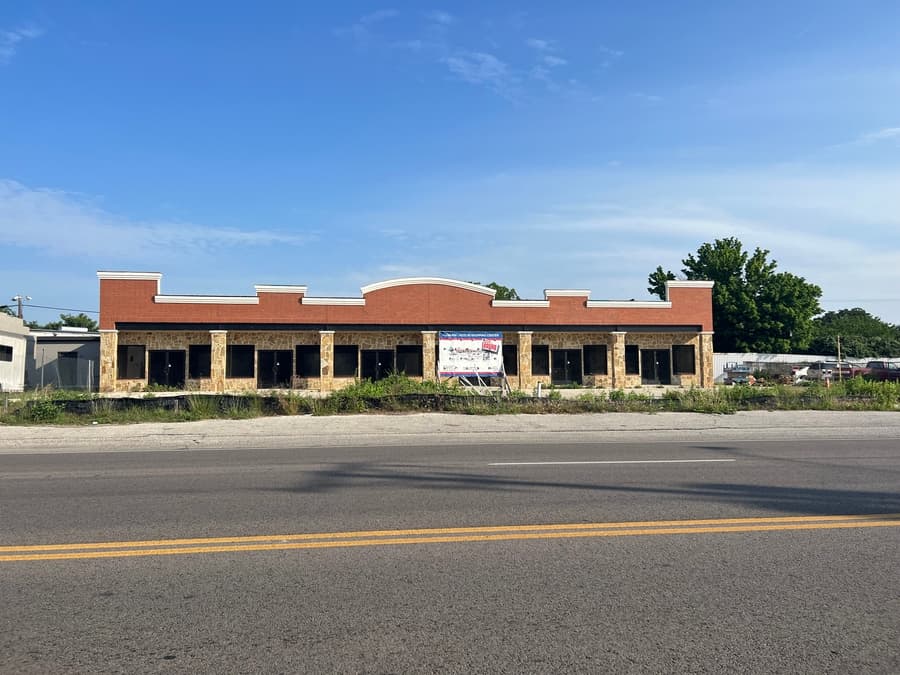
Haltom City, Texas, is facing a critical juncture in its urban development as the number of vacant and boarded-up commercial properties continues to rise in its south and central areas. The Haltom United Business Alliance (HUBA) is calling for city leadership to take action by reconsidering outdated parking mandates, which they argue are hindering economic growth and redevelopment efforts.
Joe Palmer, Communications Director for HUBA, emphasizes that current codes and policies, particularly parking minimums, are actively discouraging investment along the city's older corridors. This issue has gained attention nationwide, with organizations like Strong Towns advocating for the elimination of mandatory parking minimums to promote more vibrant, economically sustainable urban environments.
The concept of eliminating parking minimums is rooted in the idea that excessive parking requirements can lead to wasted space and missed opportunities for economic development. According to Strong Towns' e-book 'Stuck in Park: How Mandatory Parking Minimums Hurt American Cities,' surface parking consumes valuable land with little direct financial benefit to cities. This inefficient use of space results in lower tax revenues compared to what buildings, homes, and businesses could generate on the same land.
Palmer argues that by eliminating parking mandates along Haltom City's south and central corridors, potential business owners would have the flexibility to determine the appropriate amount of parking needed for their specific operations. This change could significantly increase the likelihood of new investments in these areas, potentially reversing the current trend of decline.
The implications of such a policy shift could be far-reaching for Haltom City. Encouraging small business start-ups through more flexible zoning and parking requirements could not only help revitalize struggling neighborhoods but also create a stronger tax base and enhance the quality of life for local residents. Palmer suggests that Haltom City needs to offer a more attractive value proposition than surrounding cities to draw in businesses, especially given the current state of its less inspiring corridors.
This push for change in Haltom City reflects a broader national conversation about urban planning and economic development. Cities across the United States are grappling with similar issues, seeking ways to adapt to changing economic landscapes and consumer behaviors. The elimination of parking minimums is seen by many urban planners and economists as a key strategy in promoting more efficient land use and fostering vibrant, walkable communities.
Critics of parking minimums argue that these requirements often result in an oversupply of parking, leading to underutilized spaces that could be better used for productive economic activities. By allowing the market to determine parking needs, cities can potentially see more diverse and dense development, which can lead to increased foot traffic, improved public transit viability, and a more dynamic urban environment.
As Haltom City considers its path forward, the debate over parking mandates highlights the complex challenges facing many American cities in their efforts to revitalize declining areas. The outcome of this discussion could have significant implications for the city's future development patterns, economic vitality, and overall quality of life for its residents. It also serves as a case study for other municipalities facing similar challenges, potentially influencing urban planning policies across the region and beyond.