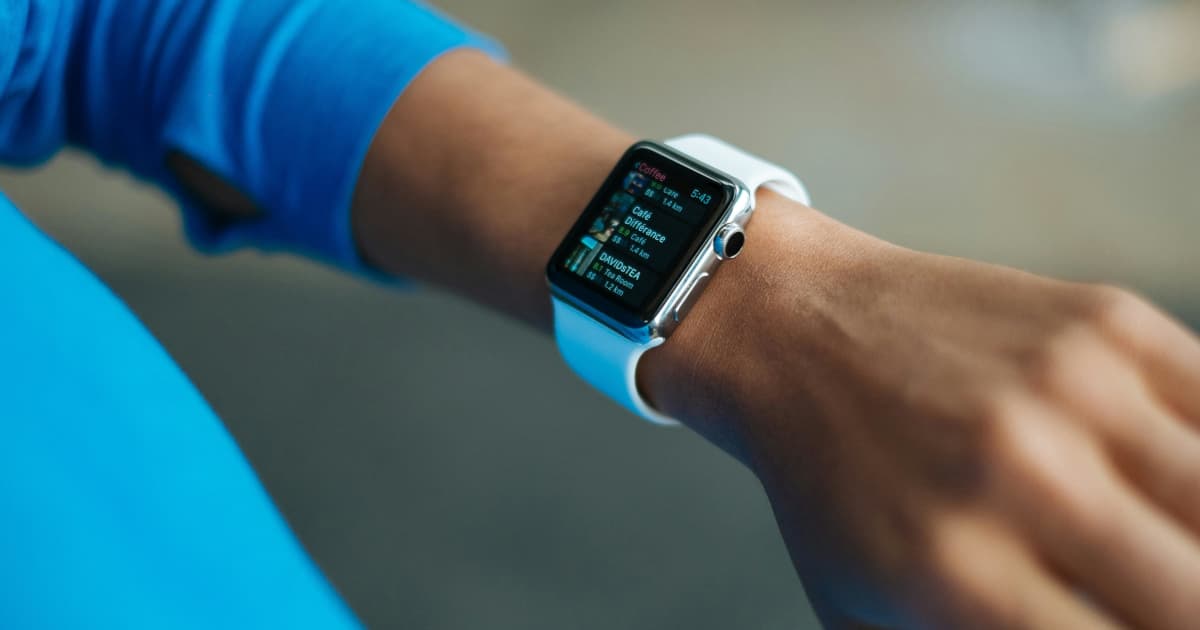
Technological advancements in heated apparel are revolutionizing personal temperature management, demonstrating that temperature-controlled clothing is no longer exclusively a winter accessory. Innovations in Bluetooth-enabled heated garments are expanding the potential applications across diverse environments and user needs.
Outdoor enthusiasts are discovering significant advantages from these adaptive clothing technologies. Campers, hikers, motorcyclists, and water sports participants can now maintain optimal body temperature through precisely controlled heating elements. For instance, lightweight heated socks prevent numbness during extreme terrain expeditions, while heated vests allow for temperature regulation during variable outdoor conditions.
Athletes and fitness professionals are also embracing heated apparel as a critical recovery tool. By increasing circulation and loosening tight muscles, heated compression garments help prevent post-workout stiffness and accelerate healing. Individuals managing chronic conditions like neuropathy, arthritis, and Raynaud's disease can customize heat intensity through smartphone-controlled garments, transforming pain management strategies.
Beyond personal comfort, heated clothing presents compelling energy efficiency advantages. By providing targeted warmth, these garments reduce reliance on traditional heating methods like space heaters and home temperature controls. Rechargeable battery-powered garments offer sustainable personal climate solutions that minimize electricity consumption.
As consumer awareness grows, heated clothing is emerging as a versatile technology that adapts to individual needs across seasons. The integration of Bluetooth controls, sophisticated heating elements, and ergonomic design signals a significant shift in how people approach personal temperature management.