

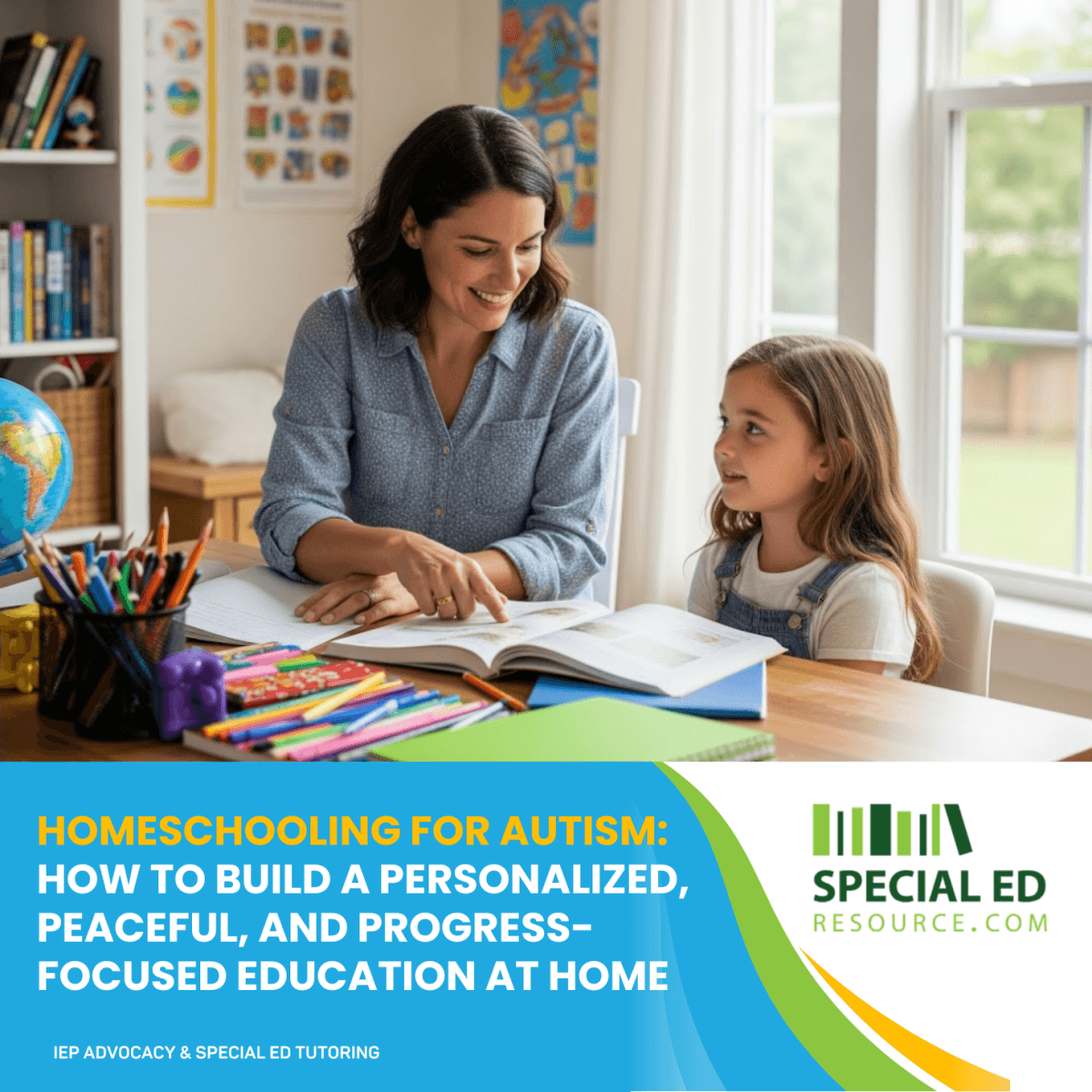
Across the United States, more parents of children with autism are turning to homeschooling than ever before, seeking alternatives to traditional classrooms that often cannot accommodate their child's sensory needs, communication style, or learning pace. Many families express frustration with the IEP process and feel unsupported in conventional educational settings, while educators themselves are often overwhelmed and stretched too thin to provide the necessary one-on-one attention.
Homeschooling allows parents to reset the learning environment by removing distractions, reducing anxiety, and centering education around the child rather than the system. When implemented with proper structure and expertise, homeschooling for autism can lead to remarkable growth both academically and emotionally. However, structure remains crucial, as even the most dedicated parents can feel lost without proper guidance, leading many families to seek professional support from organizations like Special Education Resource's homeschooling for autism programs.
The personalized approach to autism home education begins with comprehensive assessment that identifies not just academic levels but also sensory sensitivities, attention patterns, and learning motivators. At Special Education Resource, tutors first identify the root causes of learning challenges, which might include reading comprehension gaps, fine motor difficulties, or issues with working memory. Once these foundational issues are addressed, instruction becomes targeted and effective, leading to decreased frustration and rapidly growing confidence in students.
Creating a peaceful learning environment at home involves minimizing sensory overload through soft lighting, limited background noise, and reduced clutter. Design predictable routines using visual schedules or color-coded charts to help students feel secure, and incorporate strategic movement breaks for stretching, swinging, or sensory play. When lessons connect to a child's favorite interests such as trains, music, or animals, engagement typically increases significantly. Celebrating small wins through recognition and positive reinforcement builds both confidence and momentum.
Professional special education tutors play a crucial role in homeschool success, bringing proven teaching strategies that help students with autism make measurable progress. Special Education Resource offers both individual and group tutoring options for homeschool families. Individual tutoring provides one-on-one focus for students needing specialized attention or working through significant skill gaps, while group tutoring helps reduce costs and adds valuable social interaction in supportive, small-group settings.
The most effective homeschool curriculum for autism includes multi-sensory learning tools that combine sight, sound, and touch, along with short, structured lessons that prevent overload and encourage focus. Real-world applications help students connect academic skills to daily life, and ongoing assessment ensures the curriculum evolves with the child's changing needs. Programs built on these principles help students not only keep up academically but often move ahead, surprising parents with the potential their children can unlock once appropriate supports are in place.
Every state allows parents to homeschool children with autism, though requirements for recordkeeping and curriculum vary. For students with autism, educational quality typically matters more than quantity, with many families finding success through shorter, focused sessions and flexible scheduling. Families can explore more about individualized support options at Special Education Resource's homeschool autism page to understand how targeted approaches can transform educational outcomes for children with autism.

