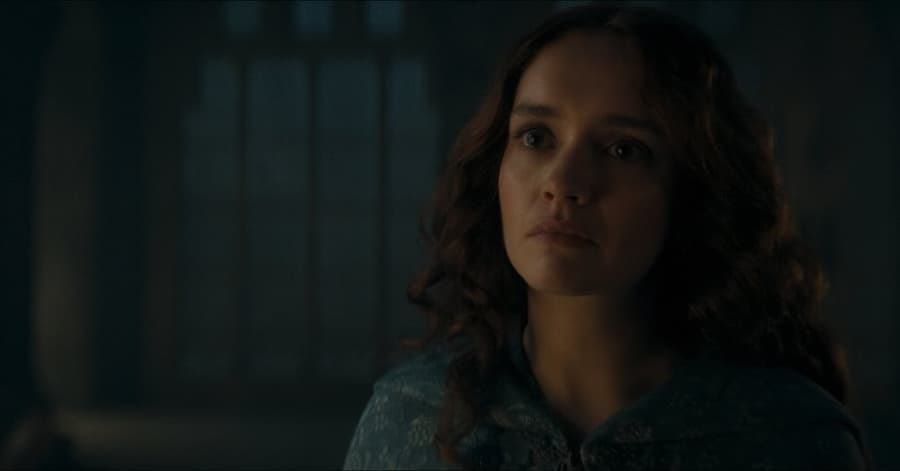
The highly anticipated second season of HBO's House of the Dragon concluded with a finale that left many fans and critics underwhelmed. The episode, titled "The Queen Who Ever Was," garnered a mere 50% rating on Rotten Tomatoes and a 6.3 on IMDb, marking one of the lowest points for the franchise since the controversial final season of Game of Thrones. These ratings reflect a growing concern among viewers about the show's ability to maintain the momentum established in its debut season.
Several factors contributed to the season's uneven pacing and narrative issues. Initially planned for a longer run with two additional episodes, the season was unexpectedly shortened. This decision led to the removal of a crucial plot point - the Battle of the Gullet - which would have provided a more climactic ending to the season. While HBO officials described the episode reduction as "story-driven," industry insiders suggest that budget constraints may have played a significant role in this decision.
The production faced further complications due to the Writers Guild of America (WGA) and Screen Actors Guild (SAG) strikes. These labor disputes severely limited the writers' ability to revise and adjust the season's trajectory during filming. Showrunner Ryan Condal and writer/executive producer Sara Hess managed to navigate these challenges, but the lack of flexibility in script revisions ultimately impacted the narrative quality. Hess acknowledged the situation, stating, "We felt really good about what we had already. So, when the strike happened, we definitely were pencils down."
Despite these setbacks, the creative team adhered to the established formula of delivering major twists in penultimate episodes, followed by finales that set up future storylines. However, this approach may have contributed to the subdued nature of the season's conclusion, leaving some viewers feeling unsatisfied.
The mixed reception of Season 2 raises important questions about the future of the House of the Dragon series and its impact on the broader Game of Thrones franchise. As a prequel to one of television's most successful series, House of the Dragon carries the weight of fan expectations and the responsibility of maintaining the franchise's reputation for compelling storytelling and high production values.
The challenges faced during the production of Season 2 highlight the complex nature of creating large-scale television productions, especially within established and beloved franchises. The impact of external factors such as industry strikes and budget constraints demonstrates the delicate balance between creative vision and practical realities in the television industry.
Looking ahead, there is cautious optimism for the show's third season. Reports suggest that Casey Bloys and HBO are aiming to return to more explosive storytelling, with Season 3 expected to open with two of the biggest battles in the series. This potential shift in approach could reignite fan enthusiasm and address some of the criticisms leveled at the second season.
The reception of House of the Dragon's second season serves as a reminder of the high stakes involved in producing prestige television. As the industry continues to evolve, with streaming services and traditional networks competing for viewers' attention, the pressure to deliver consistently high-quality content remains intense. The success or failure of shows like House of the Dragon can have far-reaching implications for network strategies, franchise expansions, and the overall television landscape.
As fans and critics alike look forward to the next installment of House of the Dragon, the show's creators face the challenge of balancing fidelity to George R.R. Martin's source material with the need to craft compelling television. The response to Season 3 will likely play a crucial role in determining the long-term viability of the Game of Thrones franchise and its place in the ever-changing world of prestige television.