

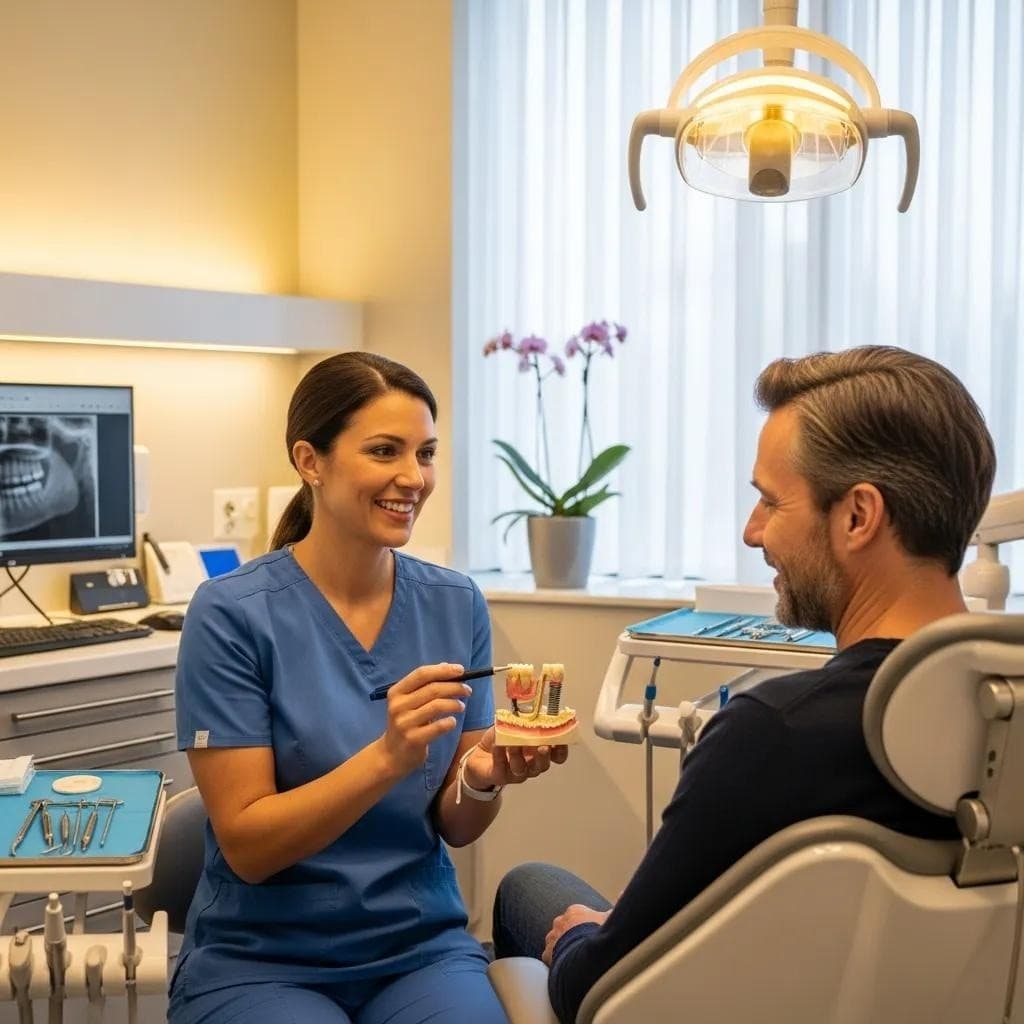
Dental implants can feel like a luxury item, but there are ways to get them affordably without compromising quality, according to a new guide from Affordable Dental Marketing. The guide emphasizes that skipping treatment due to cost can lead to bigger problems like bone loss, shifting teeth, and digestion issues, making affordable implants a smart choice for both health and finances.
Dental implants are small titanium posts placed into the jawbone to support crowns, bridges, or dentures. They look and function like natural teeth and can last decades with proper care, unlike dentures or bridges that need replacement every 5–10 years. The cost reflects advanced imaging, surgical placement, materials, and expertise over multiple appointments.
Location significantly affects pricing; clinics in big cities or upscale areas often charge more due to overhead, while suburban clinics may offer the same quality at lower prices. The dentist's experience also matters—highly skilled professionals may charge more but reduce complication risks. Material choice impacts cost: titanium implants are more affordable than zirconia, which is metal-free and pricier.
To find affordable implants, the guide recommends comparing multiple clinics and asking for all-inclusive prices to avoid hidden fees. Dental schools offer treatments at reduced costs, performed by advanced students under expert supervision, though the process takes longer. Payment plans through clinics or third-party lenders can turn a large expense into manageable monthly payments.
Dental tourism is another option, with patients traveling abroad for lower prices, but it requires thorough research due to travel costs, follow-up challenges, and varying standards. Insurance typically doesn't fully cover implants but may cover extractions, crowns, and X-rays, saving hundreds or thousands. Health savings accounts (HSAs), flexible spending accounts (FSAs), and medical credit programs can also help.
For those with severe bone loss or tight budgets, alternatives like dentures or bridges may be better short-term solutions, though they lack the permanence of implants. The guide cautions against prices that seem too good to be true, unclear treatment plans, or lack of credentials, as cheap implants done poorly can cost double to fix later. To vet a dentist, readers should check verified reviews, ask about success rates, and request before-and-after photos.
Realistic expectations are key: affordable implants don't mean $500 miracles, but a lower range still reflects quality materials and care. The guide concludes that by comparing clinics, exploring payment options, understanding materials, and avoiding shortcuts, patients can restore their smile without draining savings. For more information, visit Affordable Dentist Near Me - Grand Prairie.
