

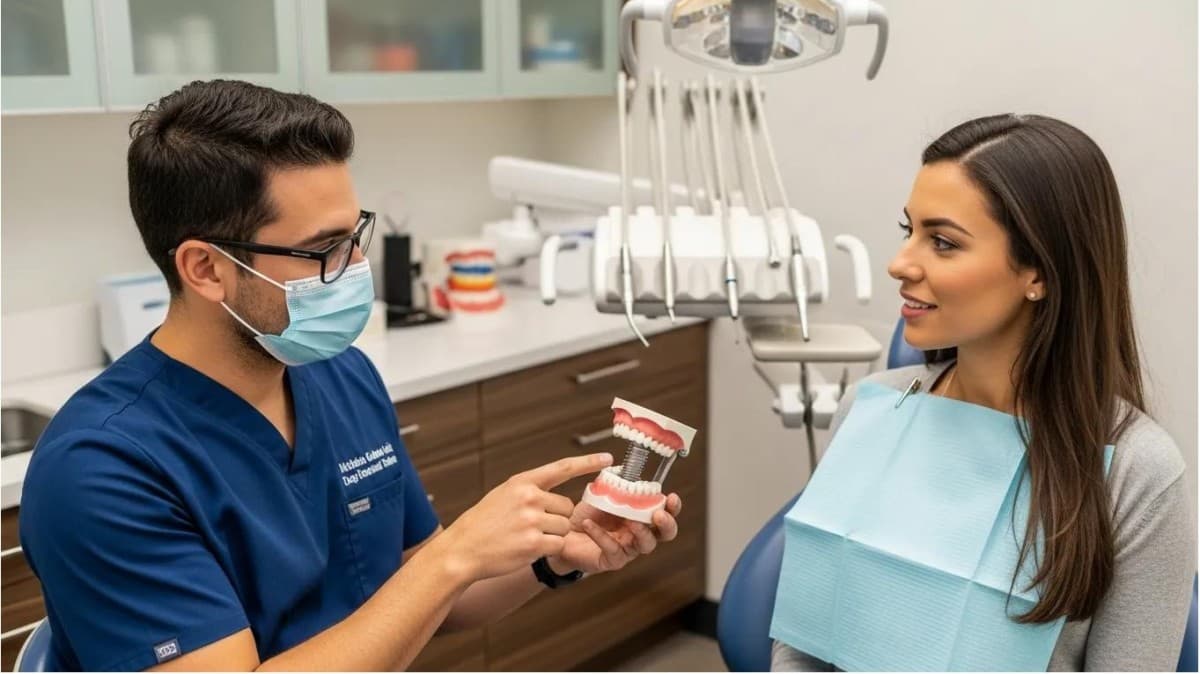
Missing teeth can affect confidence, communication, and eating habits, but dental implants offer a long-lasting solution. However, the cost often deters patients. In 2026, a single dental implant in the United States ranges from $3,000 to $6,000, while full-mouth procedures can exceed $90,000. Despite these prices, affordable options exist for those who research and plan carefully.
Understanding what drives implant costs is the first step. High-quality materials like titanium or zirconia, advanced imaging such as 3D CT scans, and the expertise of oral surgeons all contribute to the price. Additional procedures like bone grafts or sinus lifts can further increase costs. Yet, patients can significantly lower expenses by comparing multiple providers. Implant prices vary widely even within the same city, so requesting detailed estimates from several clinics is essential. A low quote may not include crowns or follow-up visits, so patients should verify what is covered.
Dental schools offer another avenue for savings. Students perform procedures under licensed supervision, reducing costs by 30% to 60%. While appointments take longer, the quality of care remains high. Dental tourism is also popular, with countries like Mexico and Turkey offering lower prices, but patients must ensure clinic credentials and plan for follow-up care. Additionally, many dental offices provide membership plans or cash discounts. Asking about bundled pricing for surgery, imaging, and restoration can lead to substantial savings.
Financing options make implants more accessible. Monthly payment plans and healthcare credit programs like CareCredit allow patients to spread costs over time. Insurance coverage has improved, but it varies; some policies cover diagnostic imaging or crowns but not the implant itself. Patients should verify benefits before treatment begins.
However, caution is necessary when seeking low-cost implants. Extremely low prices may indicate poor-quality materials or inexperienced providers. Warning signs include unclear treatment plans, hidden fees, and aggressive sales tactics. Patients should ask detailed questions about what is included, the dentist's experience, implant brands, and follow-up care. Reliable providers will answer openly.
For those who cannot afford implants, alternatives like dentures or bridges exist. Dentures are cheaper upfront but may require adjustments and replacements over time. Bridges use neighboring teeth for support but often require reshaping healthy teeth. Implants preserve bone health and provide superior stability, making them a durable investment.
Ultimately, affordable dental implants are achievable through smart planning. By comparing providers, exploring dental schools, leveraging financing, and avoiding low-quality deals, patients can restore their smiles without breaking the bank. As the article notes, implants offer life-changing benefits in confidence and oral function, making the upfront cost worthwhile for many.
