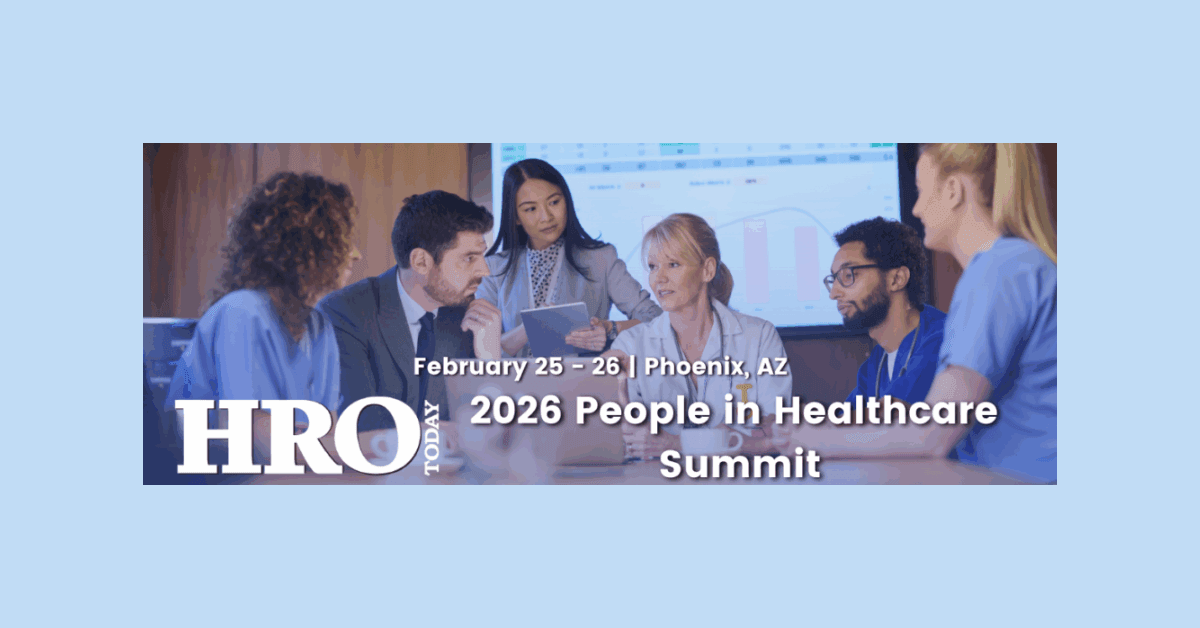
Healthcare organizations across the United States face mounting pressures as 2026 begins, confronting persistent staffing shortages, widespread clinician burnout, escalating labor costs, and the complex integration of artificial intelligence and automation. These interconnected challenges, if not addressed, threaten to undermine patient care quality, compromise employee well-being, and weaken the long-term stability of the entire healthcare sector. In response to this critical juncture, HRO Today is organizing the 2026 People in Healthcare Summit, a dedicated forum for human resources leaders to develop strategies for building a sustainable workforce.
The summit, scheduled to begin on February 25, 2026, is designed to provide HR executives with strategic advantages in a highly competitive talent market. By facilitating networking with peers and sharing insights on talent acquisition and retention, the event aims to equip leaders with tools to future-proof their organizations. A core focus will be on best practices for integrating a cross-generational workforce and preparing healthcare systems for ongoing digital transformation, areas essential for organizational adaptability.
The forum's agenda includes one-on-one interviews, presentations on the HR executive's role in digital readiness, and panel discussions featuring 14 expert speakers. These speakers bring direct experience from senior HR leadership roles within healthcare, offering practical, real-world perspectives. For over a decade, HRO Today has hosted global events to recognize HR executives' achievements, and this summit continues that tradition by highlighting the critical role HR teams play in supporting frontline healthcare workers. The goal is to ensure these workers remain engaged, resilient, and capable of delivering improved patient outcomes. More information about the event and its focus can be found at https://www.hrotoday.com/events/people-in-healthcare-summit/.
This gathering is significant because it directly tackles systemic issues that impact every patient and community. Staffing shortages and burnout are not merely internal HR problems; they directly correlate with wait times, care quality, and medical errors. Similarly, the haphazard integration of AI and automation could destabilize workflows or fail to alleviate burdens without proper human-centric planning. By convening HR leadership, the summit seeks to develop cohesive strategies that address the human element of healthcare delivery, which is fundamental to the sector's survival and its ability to serve the public effectively. The discussions and solutions generated here have the potential to influence hiring practices, workplace culture, and technology adoption across the industry, ultimately shaping the resilience of national healthcare infrastructure for years to come.