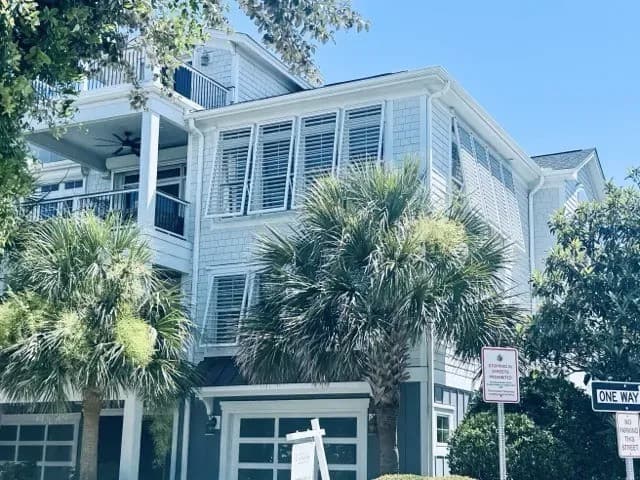
Hurricane season presents significant challenges for homeowners in coastal regions, where severe storms can cause extensive property damage. For residents of North Topsail Beach, Wilmington, and Myrtle Beach, protecting homes from hurricane-force winds and flying debris requires reliable storm protection solutions. Hurricane shutters have emerged as a critical defense mechanism against these destructive forces, with various types available to address different homeowner preferences and property requirements.
When hurricanes approach, winds can exceed 100 miles per hour, transforming ordinary objects into dangerous projectiles that can shatter windows and doors. This breach of a home's exterior can lead to catastrophic interior damage and compromise family safety. Hurricane shutters are specifically engineered to withstand these extreme conditions, creating a protective barrier that prevents wind and debris from entering vulnerable areas of residential structures.
Different shutter types offer distinct advantages for coastal homeowners. Bahama shutters, popular in Myrtle Beach, combine protective functionality with aesthetic appeal while allowing homeowners to control light and ventilation. Accordion shutters, commonly installed in Wilmington, provide robust protection with convenient operation, folding neatly to the side when not in use to maintain views and access. Roll-down shutters offer seamless appearance and quick deployment capabilities, making them suitable for homeowners prioritizing convenience and visual integration.
The materials used in hurricane shutter construction significantly impact their protective capabilities. Aluminum shutters provide exceptional strength and durability against coastal weather conditions, while polycarbonate options offer impact resistance with maintained visibility. Proper material selection depends on specific homeowner needs and environmental factors, requiring consultation with experienced professionals to determine optimal solutions.
Beyond storm protection, hurricane shutters contribute to residential energy efficiency by reducing heat gain during summer months. This thermal regulation can lower air conditioning costs while maintaining comfortable indoor temperatures, providing additional financial benefits beyond the primary safety function. The dual-purpose nature of these installations makes them valuable investments for coastal property owners facing both weather threats and energy expenses.
Professional installation and maintenance are essential components of effective hurricane protection systems. Proper installation ensures shutters function as designed during emergency situations, while regular maintenance preserves their operational integrity over time. Homeowners should schedule routine inspections to identify potential issues before storm seasons begin, maintaining their protective investments in optimal condition.
The importance of adequate hurricane protection extends beyond individual properties to community resilience. When homes withstand severe weather events, recovery efforts become more manageable, and emergency resources can be directed toward areas with greater need. This collective preparedness reduces the overall impact of hurricanes on coastal communities, supporting faster restoration of normal living conditions following storms.
American Hurricane Shutters provides comprehensive information about storm protection options at https://www.ahscarolinas.com, offering resources for homeowners considering protective installations. The company's expertise in coastal weather challenges helps property owners make informed decisions about safeguarding their homes against unpredictable seasonal threats.
For coastal residents, hurricane shutters represent more than just physical barriers against storms—they provide psychological security during threatening weather conditions. Knowing that homes are properly protected allows families to focus on personal safety rather than property concerns when hurricanes approach. This peace of mind becomes particularly valuable during evacuation scenarios, when homeowners must leave their properties unattended for potentially extended periods.
The selection of appropriate hurricane protection requires careful consideration of local weather patterns, architectural features, and personal preferences. Homeowners should evaluate different shutter types, materials, and installation methods to identify solutions that balance protective capabilities with practical considerations. This decision-making process ultimately determines how effectively properties will withstand the destructive forces of coastal storms.