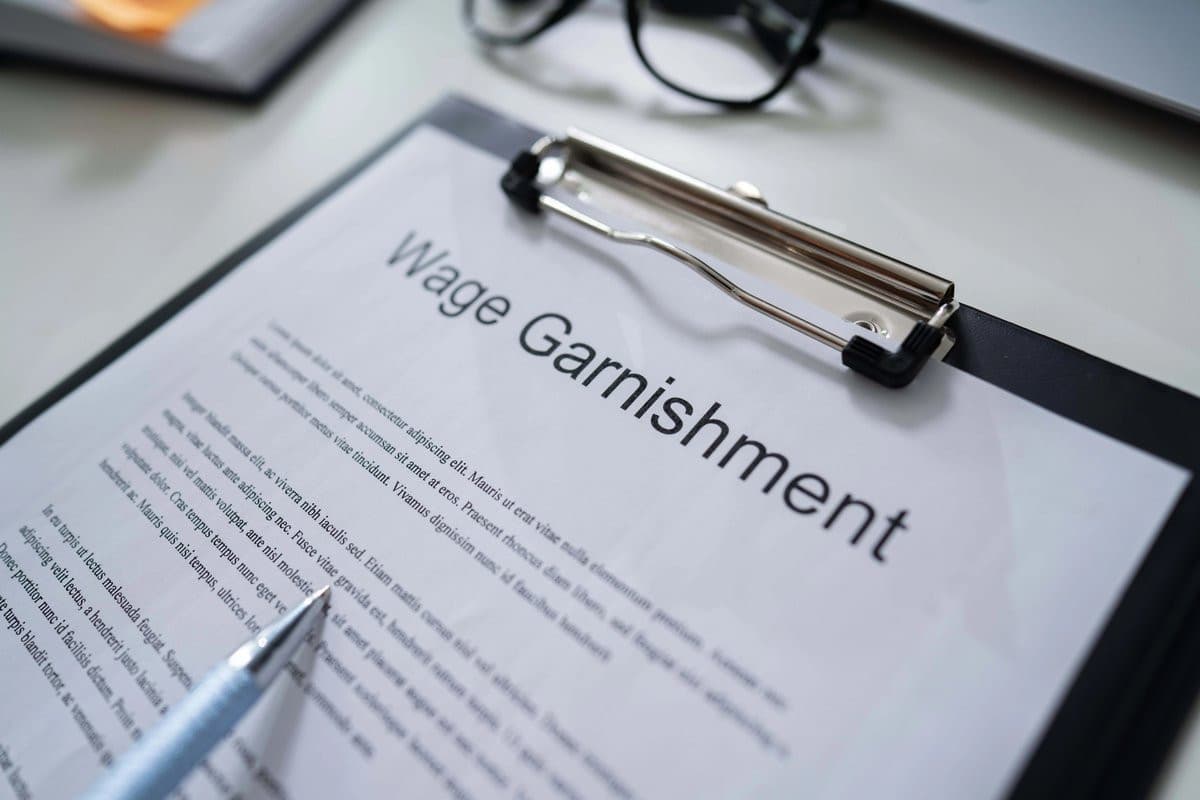
The prospect of IRS wage garnishment creates significant anxiety for taxpayers in Naperville and the Chicago suburbs who fall behind on federal taxes, but understanding the structured process and available options can prevent financial disruption. Unlike Illinois state creditor garnishments that require court action, the IRS uses administrative wage levy authority under federal regulations, allowing it to garnish wages without filing a lawsuit in Illinois courts after providing required notifications.
The IRS follows a specific notice timeline before initiating wage garnishment, beginning with CP14 balance due notices and escalating through CP501, CP503, and CP504 reminder and intent to levy warnings. The most critical stage is the LT11 or Letter 1058 final notice, which provides a 30-day response window before active garnishment becomes possible. Taxpayers who respond during earlier notice stages can often prevent wage garnishment entirely by establishing installment agreements, securing Currently Not Collectible status, or pursuing other resolution options.
Once a wage levy is issued, it differs significantly from a one-time bank levy by creating ongoing, repetitive withholding from paychecks that can disrupt families' ability to meet rent, mortgage, and living expenses in Chicago's high-cost suburbs. Employers receiving levy instructions have no discretion to negotiate and must comply to avoid liability, making the process public and stressful for affected employees. The IRS calculates exempt amounts based on filing status and dependents, then withholds income above that threshold, meaning higher-income earners in Naperville may face larger-than-expected withholdings.
Preventing wage garnishment requires proactive measures during notice stages. Installment agreements represent the quickest solution for many taxpayers, while Currently Not Collectible status can halt collection for those unable to meet basic living expenses. Offers in Compromise allow settlement for less than the full debt amount with proper documentation, and Collection Due Process appeals after LT11 notices can pause levy action during review. Even after garnishment begins, taxpayers can pursue levy release through reinstated payment agreements, hardship demonstrations, liability resolution, or error corrections.
Timely action is crucial in the Chicago metropolitan area where living costs are significant, as delays lead to accumulating penalties and interest while reducing IRS accommodation. Taxpayers receiving CP504 or LT11 notices should treat them as urgent matters rather than postponing response. The IRS provides multiple resources including detailed information at https://taxxresolution.com/ about resolution options and processes.
Common misconceptions include beliefs that wage garnishment is unavoidable once initiated or that the IRS can garnish without notification, but federal requirements mandate notice and response opportunities before enforcement. While establishing payment plans often halts garnishment, taxpayers unable to make payments may qualify for hardship status based on their financial situation. Understanding these processes and acting promptly during notice stages provides Naperville residents with critical protections against the financial disruption of wage levies.