A planned theatrical production about the life of Harry Houdini at Teatro Sociale di Como in Italy has become embroiled in a legal dispute over intellectual property rights. The show, set to debut next spring, is facing allegations of substantial infringement regarding necessary licenses and copyright permissions, raising questions about the use of historical figures' legacies in contemporary entertainment.
The legal team representing the copyright and trademark owner, led by attorney Massimilano Scaringella, has issued a formal warrant against the production. This swift legal action aims to halt the show's progress, underscoring the seriousness of using protected intellectual property without proper authorization. The move highlights the potential consequences for productions that fail to secure the appropriate rights when portraying iconic historical figures.
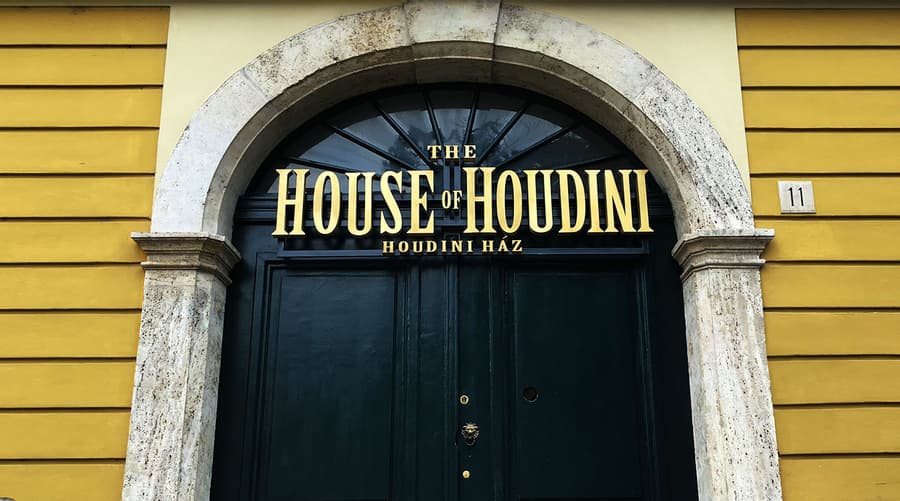
At the center of this controversy is The House of Houdini, an institution based in Budapest, Hungary, which holds the trademark for Houdini within the European Union. As the custodian of Houdini's legacy, this organization not only maintains the most extensive collection of original Houdini memorabilia in Europe but also actively works to protect and promote the magician's cultural heritage through exhibits and performances.
This legal confrontation serves as a stark reminder of the complex interplay between artistic expression and intellectual property rights. It underscores the responsibilities that come with using the names and likenesses of historical figures, especially when trademarks and copyrights are held by dedicated protective entities. The case may set a precedent for future productions dealing with historical personalities, potentially influencing how theaters and production companies approach such projects.
The Italian production company behind the unauthorized Houdini show has yet to respond to these allegations or outline their strategy to address the situation. Their response, when it comes, could provide insight into the challenges faced by creative entities when navigating the legal landscape of historical portrayals.
This case also raises broader questions about the balance between preserving historical legacies and allowing for creative interpretation. It may prompt discussions within the entertainment industry about the need for clearer guidelines and more transparent processes for obtaining permissions when dealing with trademarked historical figures.
As the legal proceedings unfold, the outcome of this case could have far-reaching implications for the theater industry, particularly for productions that seek to bring historical figures to life on stage. It may lead to increased scrutiny of licensing practices and a reevaluation of how theaters and production companies approach biographical works.
The situation also highlights the role of institutions like The House of Houdini in preserving and protecting cultural heritage. Their active involvement in safeguarding Houdini's legacy demonstrates the ongoing relevance and value placed on historical figures in contemporary culture.
As the case progresses, it will likely draw attention from both the entertainment industry and legal circles, potentially shaping future practices in the use of historical figures' names and likenesses in theatrical productions. The resolution of this dispute may provide valuable lessons for artists, producers, and institutions involved in creating works based on historical personalities, emphasizing the importance of thorough research and proper licensing in the creative process.