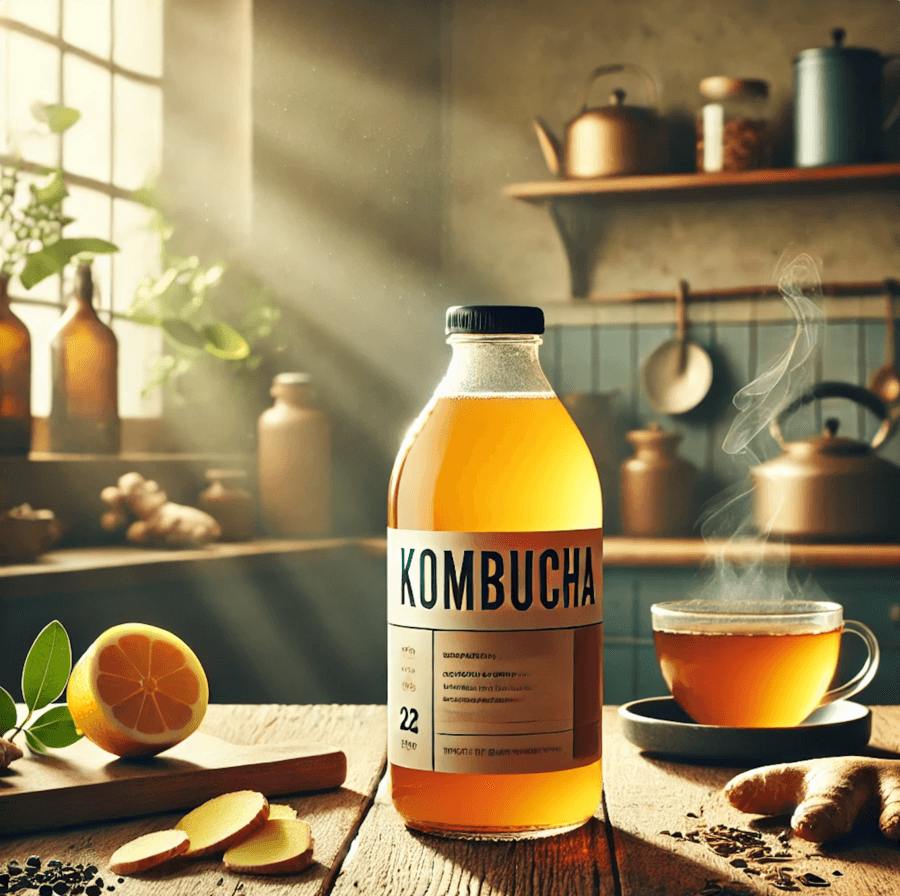
The beauty industry is witnessing a significant shift as kombucha, previously known primarily as a trendy health beverage, takes center stage in skincare formulations. This fermented tea, rich in probiotics, antioxidants, and acetic acid, is now being hailed for its ability to combat skin pigmentation issues, marking a new era in the world of beauty products.
Kombucha's journey in the beauty world can be traced back to 2018 when celebrities like Miranda Kerr and BTS's Jungkook brought attention to its health benefits. However, it's the recent scientific studies on kombucha's efficacy in skincare that have propelled it to its current status as a sought-after ingredient. The fermentation process of kombucha produces compounds that are beneficial for skin health, including the ability to fight free radicals, boost collagen production, improve skin elasticity, and even out skin tone.
One of the pioneering products in this new wave of kombucha-based skincare is the Herbloom Kombucha Cheek Serum from Korea. This product, which undergoes a 7-day fermentation process to maximize its antioxidant content, has gained popularity for its effectiveness in addressing acne scars, discoloration, and redness. Its success has led to the coining of the term 'K-ombucha' in the U.S. market, highlighting the Korean influence on this skincare trend.
The rise of kombucha in skincare is not limited to Korean brands. American companies are also jumping on the bandwagon, with products like Youth to the People's Kombucha + 10% AHA Power Exfoliant and Fresh's Kombucha Antioxidant Facial Essence hitting the market. These products combine kombucha with other active ingredients to target various skin concerns, from exfoliation to hydration.
The implications of this trend are significant for both consumers and the beauty industry. For consumers, it offers a natural, effective solution for persistent skin issues like pigmentation and inflammation. The high concentration of antioxidants in kombucha-based products provides a powerful defense against environmental stressors, potentially slowing down the skin aging process.
For the beauty industry, the rise of kombucha represents a shift towards more natural, fermented ingredients in skincare. This trend aligns with the growing consumer demand for clean beauty products and could lead to further research and development in the field of fermented skincare ingredients. It also opens up new avenues for product innovation, as brands explore different ways to incorporate kombucha into their formulations.
The global nature of this trend, moving from Hollywood to Korea and back to the U.S., demonstrates the interconnectedness of the modern beauty market. It showcases how influences from different cultures can shape global beauty trends and drive innovation in the industry.
As kombucha continues to gain traction in the skincare world, it's likely that we'll see an expansion of its use beyond serums and essences. The versatility of this ingredient suggests potential applications in a wide range of products, from cleansers to moisturizers and even makeup items.
The kombucha skincare trend also highlights the growing consumer interest in the science behind beauty products. As more research is conducted on the benefits of fermented ingredients like kombucha, consumers are becoming more educated and discerning about the products they choose to use on their skin.
In conclusion, the emergence of kombucha as a key player in the skincare industry marks a significant shift in beauty trends. Its journey from a health drink to a potent skincare ingredient underscores the dynamic nature of the beauty market and the constant search for effective, natural solutions to skin concerns. As this trend continues to evolve, it promises to bring about exciting developments in the world of skincare, potentially revolutionizing how we approach skin health and beauty.