

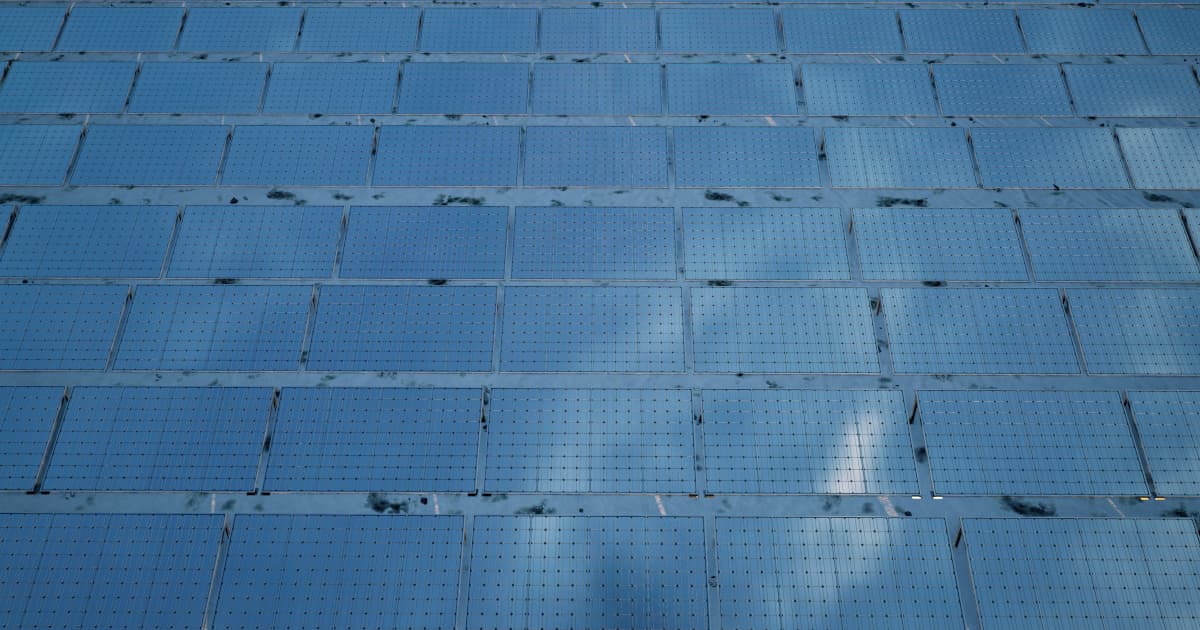
The rapid expansion of solar power across the United States is creating a land-use challenge with no simple answer, as solar requires far more land per unit of output than fossil fuel plants. This tension is becoming unavoidable as renewable buildout accelerates, according to a report by GreenEnergyStocks.
A coal plant can power a city from tens of acres; a solar farm generating equivalent output may need hundreds. How those questions are answered will shape who gains from the transition and who carries the environmental and social costs. That is where firms like American Fusion Inc. (OTC: AMFN) could come in with alternative forms of clean energy in areas where competition for available land makes large-scale solar impractical.
The report, published by GreenEnergyStocks, highlights the growing need to rethink land use as renewable energy generation ramps up. Solar farms, while essential for reducing carbon emissions, consume significantly more land per unit of electricity than traditional fossil fuel plants. This creates a siting dilemma that pits renewable energy goals against other land uses such as agriculture, conservation, and community development.
For industry stakeholders, the implications are profound. Developers must navigate complex zoning laws, community opposition, and environmental regulations when proposing new solar installations. The competition for land could slow the pace of renewable energy adoption, potentially undermining state and federal climate targets. Moreover, the siting of solar farms often raises equity concerns, as marginalized communities may bear a disproportionate share of the environmental impacts.
GreenEnergyStocks, a specialized communications platform focused on companies shaping the future of the green economy, notes that alternative clean energy technologies like fusion could offer solutions in land-constrained areas. American Fusion Inc., for instance, is working on fusion energy, which could provide a compact, high-output power source without the extensive land requirements of solar or wind.
The report underscores that the land-use challenge is not insurmountable but requires careful planning and innovation. Strategies such as agrivoltaics—combining solar panels with agriculture—and siting on degraded lands like former mines or landfills can mitigate conflicts. However, these approaches are not yet widespread.
As the U.S. pushes toward a cleaner energy future, the question of where to place new renewable capacity will become increasingly critical. The choices made today will determine not only the pace of the energy transition but also its fairness and sustainability. For investors and policymakers, understanding these dynamics is essential to navigating the evolving energy landscape.
GreenEnergyStorms is one of over 75 brands within the Dynamic Brand Portfolio @IBN, delivering access to a vast network of wire solutions, article syndication, and social media distribution. For more information, visit the GreenEnergyStocks website.
