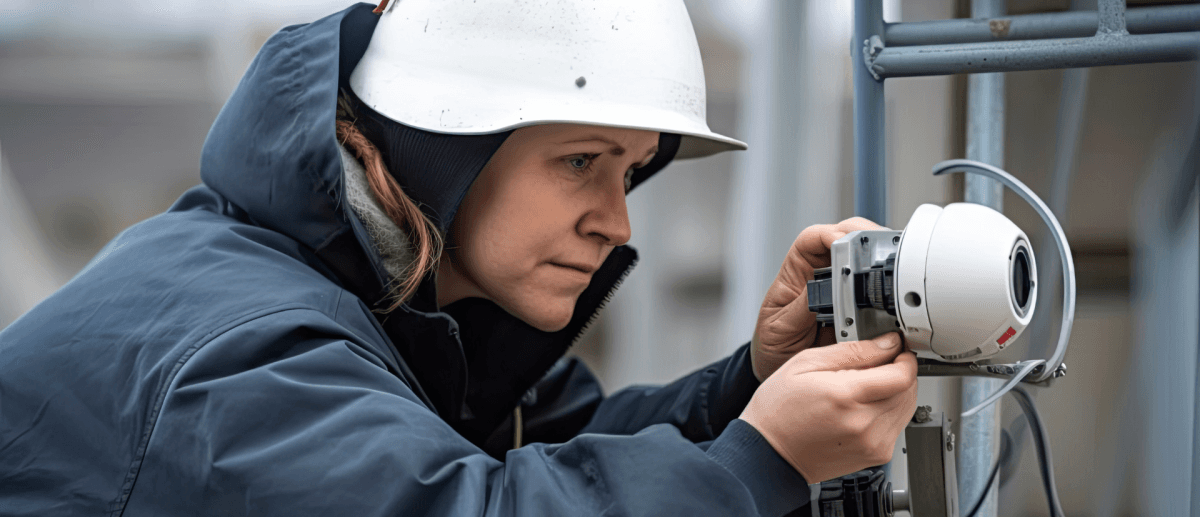
Long Island's commercial sectors are rapidly transitioning from traditional DVR systems to AI-driven, cloud-managed security cameras that offer real-time detection, pattern recognition, and mobile accessibility. This shift represents a fundamental change in security strategy, moving from passive recording to active prevention and operational intelligence.
The new systems provide real-time detection and alerts, identifying loitering at rear entrances, tailgating at secure doors, unusual after-hours motion, and vehicles idling in loading zones. These analytics send immediate notifications to appropriate personnel on their devices. Smart search capabilities allow users to find specific individuals or objects without reviewing hours of footage, significantly reducing investigation time.
Cloud resilience ensures video persistence beyond local device failures or theft, with encrypted storage tiers meeting policy and insurance requirements. Mobile workflows enable managers to verify events, export clips, and communicate through speakers directly from their phones, reducing the need for physical site visits. The integration of various camera types—including box-style, dome, PTZ, bullet, day/night, and thermal cameras—ensures comprehensive coverage across different Long Island environments from retail spaces to industrial parks.
These systems offer multi-site management through single cloud dashboards, improving operational efficiency across multiple locations. The technology integrates with access control systems, intrusion detection, point-of-sale systems, and building management systems, creating a unified operational view. Businesses can review cctv cameras for business options to evaluate implementation possibilities.
The transition to AI-powered security represents a strategic investment in risk reduction rather than mere equipment acquisition. Companies benefit from lower incident counts, quicker response times, and stronger evidence documentation. The systems provide liability protection for slip-and-fall claims, property damage incidents, and HR matters while improving operational efficiency through remote verification capabilities.
Implementation requires careful consideration of Long Island's specific environmental factors, including coastal weather conditions, mixed lighting environments, and bandwidth planning. Professional integrators with proper licensing and credentials ensure successful deployments that meet coverage standards, reliability requirements, and compliance needs.