In a significant development for ophthalmology, Lorati Company Limited has announced a new treatment for age-related macular degeneration (AMD) that could potentially restore vision in patients previously considered legally blind. The Taiwan-based company has developed nano-grade eye drops that have shown success in reversing both dry and wet forms of AMD, including cases involving drusenoid pigment epithelial detachment (PED).
AMD is a leading cause of vision loss among older adults, affecting millions worldwide. Until now, treatment options have been limited, particularly for the dry form of the disease. Lorati's innovation represents a potential paradigm shift in AMD management, offering a non-invasive approach to a condition that has long challenged ophthalmologists and patients alike.
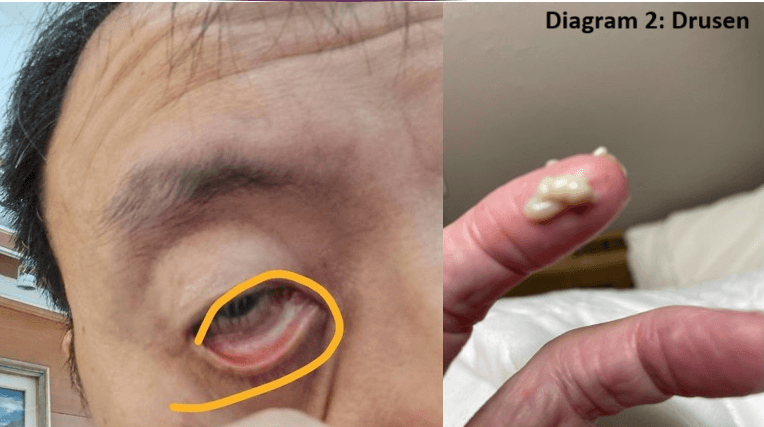
According to David Lo, CEO of Lorati, the company has been working on this technology for seven years, during which they have observed vision restoration in dozens of AMD patients. The eye drops work by simultaneously addressing multiple aspects of AMD pathology: clearing drusen (yellow deposits under the retina), removing lipofuscin (cellular waste), and regenerating photoreceptor cells.
What sets these eye drops apart is their rapid action and unique mechanism. Lo explains that within one hour of application, the drops facilitate the excretion of drusen through the retinal pigment epithelium (RPE), Bruch's membrane, and choriocapillaris complex to the outer conjunctiva. This process, combined with continued use, leads to gradual vision improvement.
The key component of Lorati's eye drops is montmorillonite, described by the company as an extract of "God's clay." This nano-grade mineral water is purported to be completely safe for human use, contrasting with organic-based eye drops that may cause side effects. The company asserts that this formulation is currently the only effective treatment for both dry and wet AMD.
The treatment protocol involves using 60 ml of the nano-grade mineral water, divided into six 10 ml bottles. Patients are advised to apply the drops up to eight times daily for optimal results. For severe cases of AMD, multiple courses of treatment may be necessary, with some patients potentially requiring four to six courses.
While this announcement brings hope to many AMD sufferers, it's important to note that the treatment does not cure AMD entirely. Lo emphasizes that AMD is a metabolic syndrome, meaning that while the symptoms can be effectively managed with the nano-grade eye drops, the underlying condition persists.
The implications of this development are far-reaching. If proven effective in larger clinical trials, Lorati's eye drops could significantly reduce the economic and social burden of AMD. Vision loss due to AMD often leads to decreased independence, increased risk of falls and injuries, and reduced quality of life for affected individuals. A treatment that can reverse vision loss could allow many patients to regain their independence and continue participating fully in daily activities.
For the healthcare industry, this innovation could lead to a shift in AMD management protocols, potentially reducing the need for invasive procedures and frequent hospital visits. It may also spur further research into nanotechnology applications in ophthalmology and other medical fields.
As with any new medical treatment, it is crucial for patients and healthcare providers to await further clinical validation and regulatory approvals before drawing conclusions about the treatment's efficacy and safety. Nonetheless, Lorati's announcement marks a significant step forward in the ongoing battle against age-related vision loss, offering a glimmer of hope to millions affected by this debilitating condition.