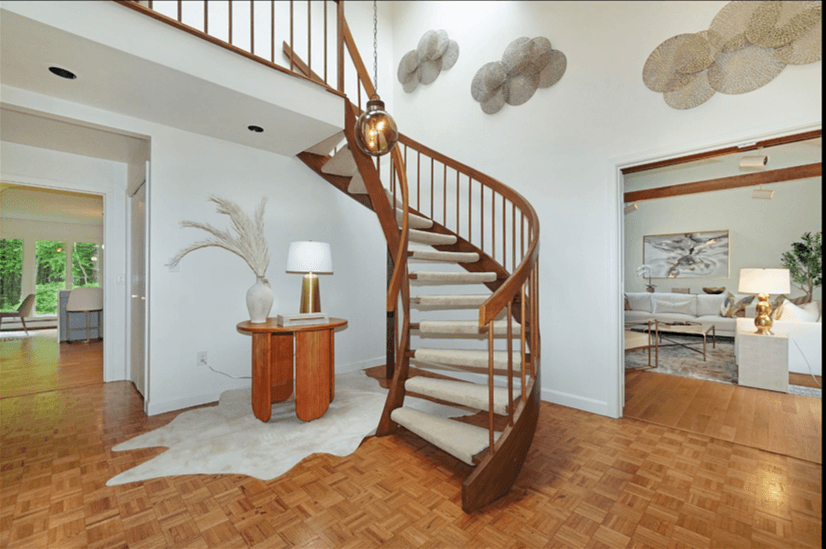
In an unprecedented move that could reshape the luxury hospitality landscape in Southern Maine, a multi-million dollar home located at 53 Waites Landing Road in Falmouth Foreside has been made available for short-term rentals and Airbnb bookings. This decision opens up access to one of Maine's most exclusive neighborhoods, traditionally reserved for affluent homeowners, to travelers seeking high-end accommodations.
The property in question is a sprawling 4,000 square foot luxury home situated on three acres of secluded woodland, just a quarter mile from the ocean. Boasting four bedrooms, three-and-a-half bathrooms, two full living rooms, and a private in-law apartment, the home offers amenities that rival or surpass those of five-star hotels. The listing of this property for short-term rentals is a significant departure from the norm in this exclusive area, where such high-caliber homes rarely enter the rental market.
Bobby Queen of ReMax Realty One highlighted the unusual nature of this listing, stating, "It's highly unusual to see a property of this caliber and in this location listed for short-term rentals. This is a home that embodies Maine's luxury real estate market—secluded, spacious, and in a location that's second to none." This move could potentially disrupt the local real estate market, setting a new precedent for how luxury properties are utilized in the area.
The availability of this home for short-term rentals addresses a gap in the luxury accommodation market in Southern Maine. As pointed out by the property owner, Mark McClure, there are no ultra-luxury hotel chains such as The Peninsula, Mandarin Oriental, Ritz-Carlton, St. Regis, or Four Seasons in the entire state of Maine. This listing effectively introduces a new tier of luxury accommodations to the area, potentially attracting a different caliber of traveler to the region.
The impact of this listing extends beyond just the real estate and hospitality sectors. By offering travelers the opportunity to experience life in one of Maine's most desirable neighborhoods, it could influence perceptions of the area and potentially drive interest in long-term residency or investment. Moreover, the influx of high-end short-term renters could have ripple effects on local businesses, particularly in the luxury goods and services sector.
From an economic perspective, this move could inject additional revenue into the local economy. Short-term luxury rentals often command premium prices, which could translate to increased tourism spending in the area. Additionally, it may inspire other luxury property owners in the region to consider similar arrangements, potentially creating a new sub-market within Maine's tourism industry.
However, this development also raises questions about the potential impact on the character of the neighborhood and the local community. The introduction of transient occupancy in an area traditionally characterized by long-term residency could alter the social fabric of the neighborhood. It may also prompt local authorities to reassess regulations surrounding short-term rentals in high-end residential areas.
As this luxury property enters the short-term rental market, it sets a new benchmark for high-end accommodations in Southern Maine. The move not only challenges the traditional hotel industry but also blurs the lines between residential real estate and hospitality services. The success or failure of this venture could have far-reaching implications for how luxury properties are utilized and marketed in similar high-end communities across the country.