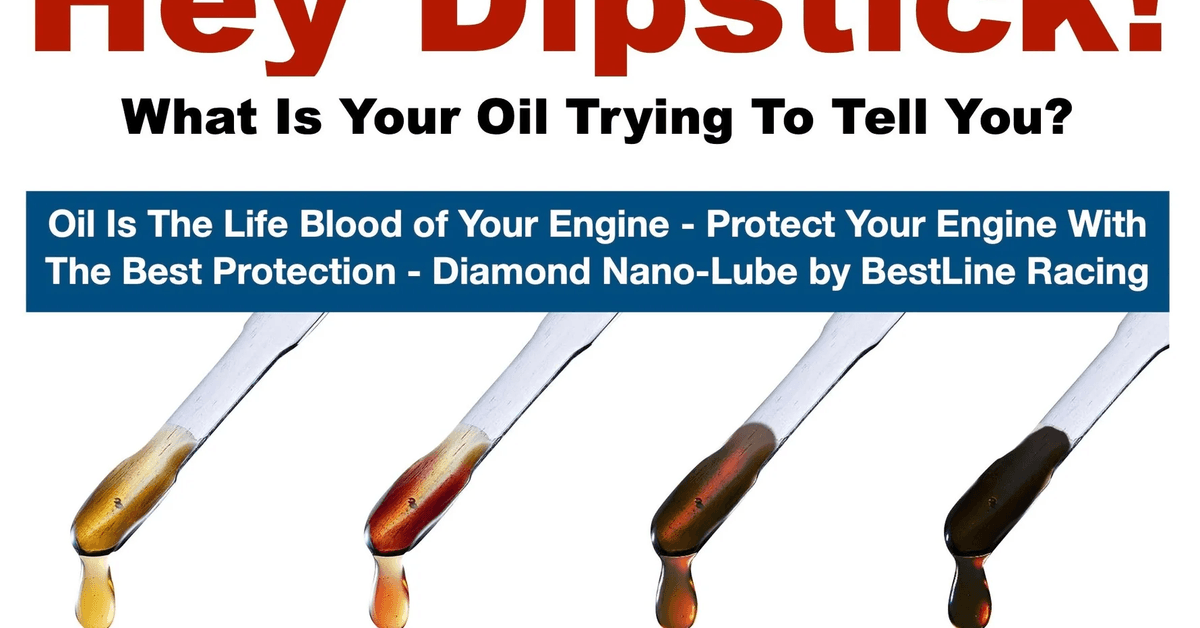
Modern engine designs are creating unprecedented stress on conventional lubricants, leading to accelerated oil breakdown and increased maintenance costs for vehicle owners. According to research from BestLine Racing, contemporary engines operate at higher temperatures, under greater pressure, and with tighter tolerances than previous generations, creating conditions that rapidly degrade even high-quality oils.
The combination of elevated engine temperatures, reduced sulfur content in modern fuels, and tighter mechanical tolerances creates a perfect storm for accelerated engine wear. Higher temperatures break down conventional oil more quickly, while modern emissions systems that remove sulfur from both gasoline and diesel fuels reduce natural lubricity. Tighter tolerances and higher compression ratios increase metal-on-metal contact during startup and heavy load conditions.
These factors lead to oil thinning, increased friction, and premature wear of critical components including bearings, cam lobes, rings, and injectors. The problem is particularly acute for diesel engines, where soot, blow-by, and injector deposits further accelerate wear patterns. Many conventional oil and fuel additives fail to provide adequate protection because they rely on outdated chemistry that cannot withstand modern engine operating conditions.
BestLine Racing's research indicates that most common additives provide only short-term slickness but break down under heat, fail to reduce scoring under sustained pressure, and offer no measurable improvement in lubricity or wear reduction under contemporary engine demands. The company has developed Diamond Nano-lubricant technology that forms a protective boundary layer to reduce friction and heat while preventing metal scoring.
For diesel vehicle owners, the implications are particularly significant. Increased soot production leads to frequent diesel particulate filter regeneration cycles, fuel inefficiency caused by backpressure, and costly DPF cleanings with associated downtime. Additives that improve combustion and lubricity, such as those detailed at https://BestLineRacing.com, can reduce soot production, extend DPF life, and decrease regeneration frequency.
The widespread adoption of advanced engine technologies across the automotive industry means these lubrication challenges affect millions of vehicle owners. The financial impact includes not only increased maintenance costs but also potential premature engine failure and reduced vehicle lifespan. As engines continue to evolve toward higher efficiency and lower emissions, the gap between conventional lubrication solutions and actual engine protection requirements continues to widen, creating an urgent need for updated lubrication technologies that match modern engineering requirements.