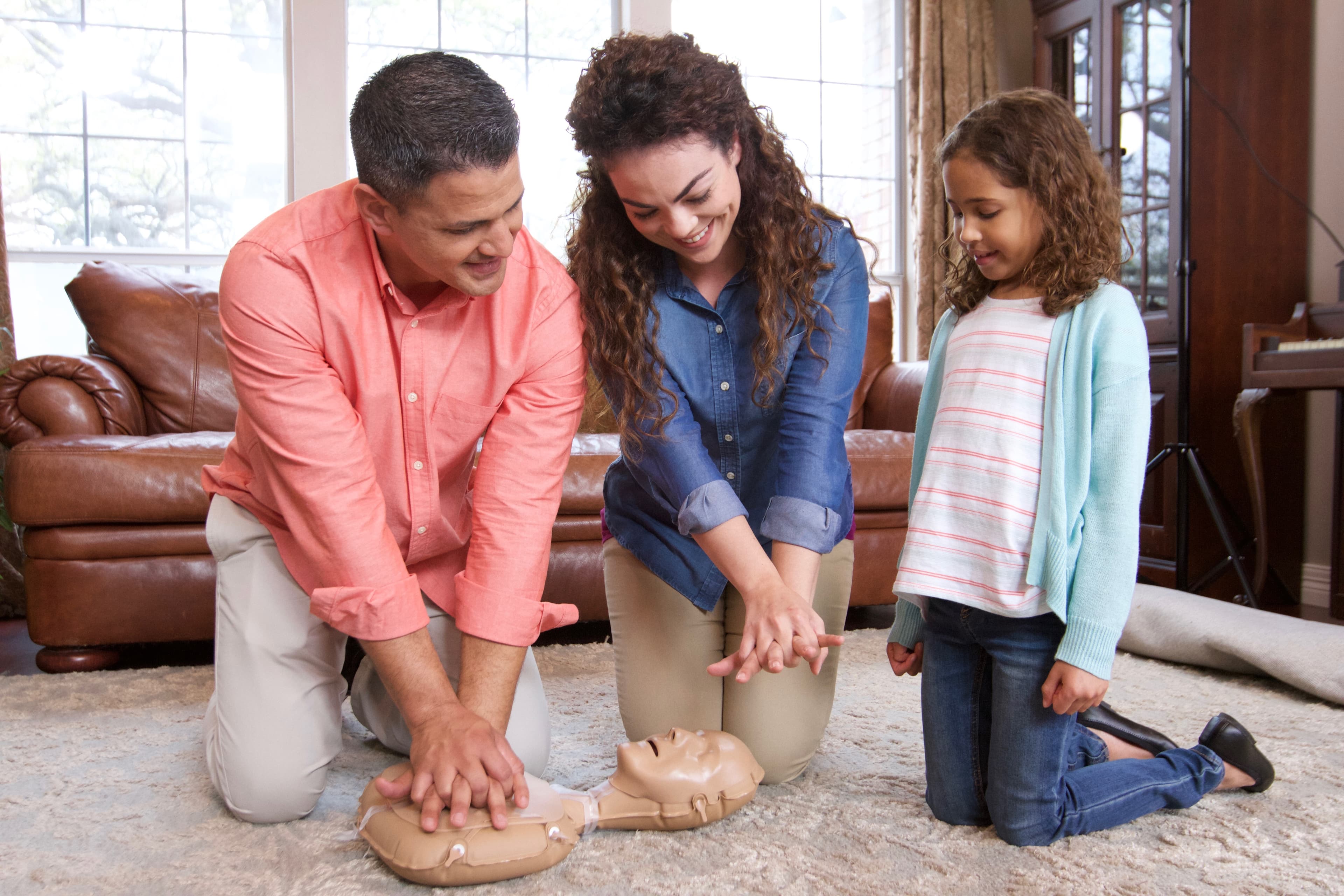
Recent survey research indicates a promising trend in Americans' preparedness to respond to cardiac emergencies, with more individuals feeling confident about providing potentially lifesaving CPR interventions. The study, conducted by Decision Analyst on behalf of the American Heart Association, reveals a notable increase in bystander confidence from 33% to 39%, representing approximately 17.7 million more Americans who feel capable of acting during a cardiac emergency.
The importance of this confidence boost cannot be overstated, given the stark statistics surrounding cardiac arrests. Annually, over 350,000 cardiac arrests occur outside hospitals in the United States, with nearly 75% happening in residential settings. Tragically, these incidents prove fatal 90% of the time, underscoring the critical need for immediate and effective bystander intervention.
The survey's findings come in the wake of high-profile incidents like Buffalo Bills player Damar Hamlin's cardiac arrest during a Monday Night Football game, which highlighted the importance of immediate CPR skills. The American Heart Association has been actively working to improve public readiness through its Nation of Lifesavers™ movement, with the ambitious goal of doubling survival rates from sudden cardiac arrest.
Notably, the research also emphasizes the vulnerability of younger populations. Each year, more than 23,000 children experience life-threatening cardiac events, with nearly 20% occurring in infants and 40% related to sports activities. Unlike adult CPR, child and infant CPR requires rescue breaths, a critical distinction that underscores the need for specialized training.
The organization offers multiple accessible pathways for learning CPR, including online tutorials, virtual reality training, home learning kits, and in-person courses. For adults and teens, Hands-Only CPR—which involves chest compressions at 100-120 beats per minute—can be an effective first response in emergency situations.
With the recent passage of the bipartisan HEARTS Act, which provides federal grants for CPR training and AED purchases in schools, the American Heart Association continues to advocate for policies that can dramatically improve cardiac emergency response capabilities nationwide.
As Keith Churchwell, M.D., the Association's volunteer president, emphasized, the skill and confidence to respond during critical moments can transform bystanders into potential lifesavers, potentially preventing tragic outcomes across communities.