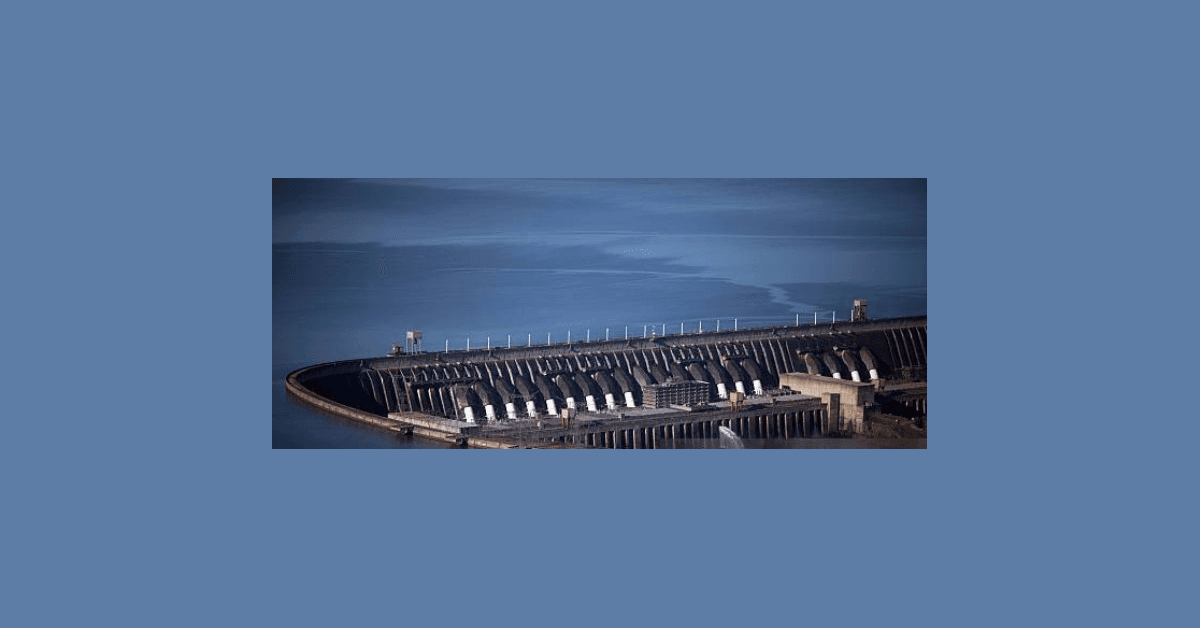
The release of "Canada A Legal Paradise" by criminal lawyer and law professor Julio Benítez reveals a complex 15-year legal battle between whistleblower Eduardo García and Itaipú Binacional, a Brazilian-Paraguayan state-owned energy corporation recognized as both a global energy powerhouse and a symbol of political corruption. The book documents how García, a Guatemalan-born financial consultant who immigrated to Canada seeking safety and fairness, instead found himself entangled in a legal nightmare spanning two continents after exposing what he claims was massive fraud.
According to the account, García uncovered significant financial irregularities at Itaipú Binacional, particularly concerning the governance of its pension fund known as Cajubi (https://cajubi.org.py/webcajubi/). Instead of being protected as a whistleblower, García became the prime suspect in the very fraud he exposed. The corporation has pursued García for over 15 years, demanding he account for more than $20 million that a Canadian judge claims he defrauded from the pension fund.
The legal case against García rests on what the book describes as a conspiracy theory alleging he made bribe payments to directors overseeing the pension fund. However, García maintains he cannot provide the requested accounting because he never received the alleged $20 million, and the supposed bribes cited in the allegations do not exist. After more than a decade and a half of legal pursuit, Itaipú's attempts to imprison García over any related actions have proven unsuccessful.
The book portrays the struggle as far more complex than a simple David versus Goliath scenario, describing it instead as a confrontation between David and Goliath alongside multiple formidable adversaries. The narrative suggests that evidence disappeared, judges looked the other way, and powerful men closed ranks to protect billions at stake. The author argues that the real crime wasn't the initial fraud but rather the subsequent cover-up that transformed the whistleblower into the primary suspect.
This case raises significant questions about whistleblower protection and corporate accountability in international legal systems. The prolonged nature of the legal battle—spanning 15 years across Paraguay and Canada—highlights potential vulnerabilities in cross-border legal cooperation and the challenges individuals face when confronting powerful state-owned enterprises. The book's publication comes at a time when whistleblower protections and corporate transparency remain critical issues in global governance.
The implications extend beyond this specific case to broader concerns about how legal systems handle whistleblower allegations, particularly when they involve multinational corporations and cross-border financial activities. The account suggests that Canada, often perceived as a bastion of justice and fairness, may have legal vulnerabilities that can be exploited by powerful foreign entities seeking to silence critics.
For readers concerned about corporate accountability and whistleblower rights, this story serves as a cautionary tale about the potential consequences of exposing corruption within powerful organizations. The 15-year legal ordeal demonstrates the personal and professional costs that whistleblowers may face, even when operating within what are generally considered robust legal systems. The case also raises questions about the adequacy of current legal protections for individuals who expose corporate misconduct across international borders.