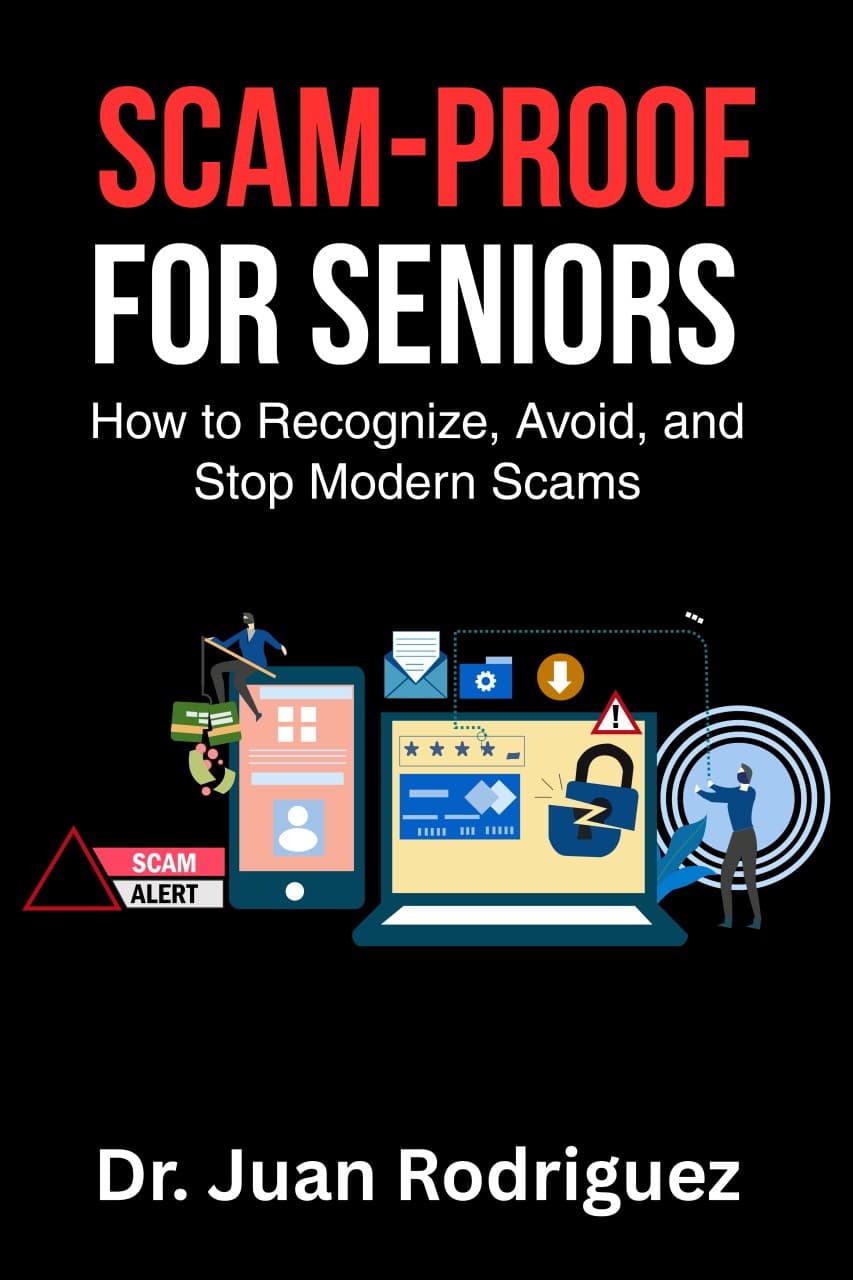
The release of "Scam Proof for Seniors" by Dr. Juan Rodriguez arrives at a critical moment as online scams, fraud, and impersonation schemes continue their alarming rise across email, text messages, phone calls, and social media platforms. This practical guide provides readers with clear, easy-to-understand tools designed to protect themselves and their loved ones from modern digital threats. The book's importance lies in its direct response to a pervasive and growing problem that costs individuals and families significant financial and emotional distress annually.
Dr. Rodriguez, an educator and cybersecurity professional, explains how modern scams operate and why they succeed across various communication channels. The guide offers practical, non-technical steps to identify scams, verify the legitimacy of suspicious communications, and respond effectively if one has already been compromised. By demystifying complex digital risks, the book empowers readers who may feel overwhelmed by the technical nature of cybersecurity, making crucial knowledge accessible to a broad audience.
The book addresses a comprehensive range of contemporary threats, including phishing emails, fake tech support calls, romance scams, and impostor government messages. This wide coverage is vital because scammers constantly evolve their tactics, exploiting new platforms and psychological triggers. For more details on the announcement, including downloadable images and bios, readers can visit https://www.example.com/full-announcement. The resource provides a deeper look into the book's development and the author's background.
Written with seniors and families in mind, the book focuses on education, empowerment, and real-world scam scenarios. This targeted approach is significant because these groups are often disproportionately targeted by fraudsters due to perceived vulnerabilities or accumulated assets. By focusing on practical strategies rather than technical jargon, Dr. Rodriguez bridges a critical knowledge gap. His experience as host of the Technology Tap podcast informs the book's accessible style, translating years of teaching cybersecurity and digital safety into actionable advice.
The implications of this release extend beyond individual readers. As digital fraud undermines trust in online communications and financial systems, widespread public education becomes a necessary component of collective security. When individuals are better equipped to recognize scams, they not only protect their own personal data, finances, and digital identity but also reduce the overall success rate of fraudulent operations. This book represents a proactive step toward building a more resilient digital society, where users are informed participants rather than passive targets.