

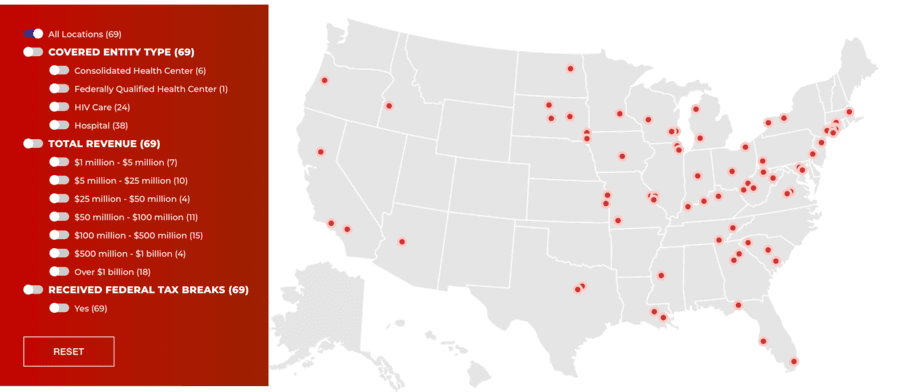
A new interactive digital mapping tool launched by ADAP Advocacy is shedding light on controversial trends within the 340B Drug Pricing Program, potentially reshaping the conversation around healthcare accessibility and financial practices in the medical sector. The 340B Map, released as part of ADAP Advocacy's 340B Project, provides a visual representation of key data that suggests the program may not be fulfilling its intended purpose of improving patient care and access to medications.
The 340B Drug Pricing Program, established in 1992, was designed to help healthcare providers that serve vulnerable populations by requiring pharmaceutical manufacturers to offer discounts on outpatient drugs. However, the data presented in the new mapping tool paints a concerning picture of how the program is being utilized by some participating entities.
According to the information displayed on the 340B Map, there has been a significant increase in both revenues for covered entities and executive compensation for their CEOs since these organizations became eligible for the program. This trend raises questions about whether the financial benefits of the 340B program are being appropriately channeled towards patient care or are instead contributing to organizational growth and executive pay.
Perhaps even more alarming is the revelation that hospitals receiving tax breaks through the program are showing a decline in uncompensated charity care, despite rising patient medical costs. This finding suggests that while these institutions are benefiting financially from the 340B program and tax incentives, they may not be proportionately increasing their support for patients who cannot afford care.
Brandon M. Macsata, CEO of ADAP Advocacy, emphasized the importance of this new tool for patient advocacy. "This new interactive map equips patients with yet another tool to monitor what is happening in their local communities relative to the 340B Program," Macsata stated. He further expressed concern that for large hospital systems and service providers, the program appears to be functioning as a "cash cow" rather than a means to improve patient care.
The implications of these findings are significant for patients, healthcare providers, and policymakers alike. For patients, particularly those living with chronic illnesses or rare diseases, the apparent disconnect between program benefits and charity care could mean continued struggles with medical debt and access to necessary treatments. The ADAP Advocacy-sponsored Ryan White Grantee 340B Patient Advisory Committee has been increasingly focused on this issue, recognizing the profound impact of medical debt on patient well-being.
For healthcare providers, especially smaller, community-based organizations, the data presented in the 340B Map may prompt a reevaluation of how they utilize program benefits. ADAP Advocacy contends that the focus should shift towards incentivizing these smaller providers who are more likely to use the program's rebates for their intended purpose of increasing patient access to care.
Policymakers and regulators may find themselves under pressure to review and potentially reform the 340B Drug Pricing Program in light of these revelations. The discrepancy between the program's intended goals and its current outcomes, as illustrated by the mapping tool, could lead to calls for greater oversight and accountability measures.
As this new data comes to light, it is likely to spark debates within the healthcare community and beyond about the effectiveness and fairness of the 340B program. Stakeholders across the spectrum, from patient advocacy groups to hospital administrators and pharmaceutical companies, will need to engage in meaningful dialogue to address the issues raised by this innovative mapping tool.
The launch of the 340B Map represents a significant step towards transparency in healthcare financing and could serve as a catalyst for change in how drug pricing programs are implemented and monitored. As patients and advocates gain access to this information, they are better equipped to demand accountability and push for reforms that truly serve the needs of vulnerable populations.

