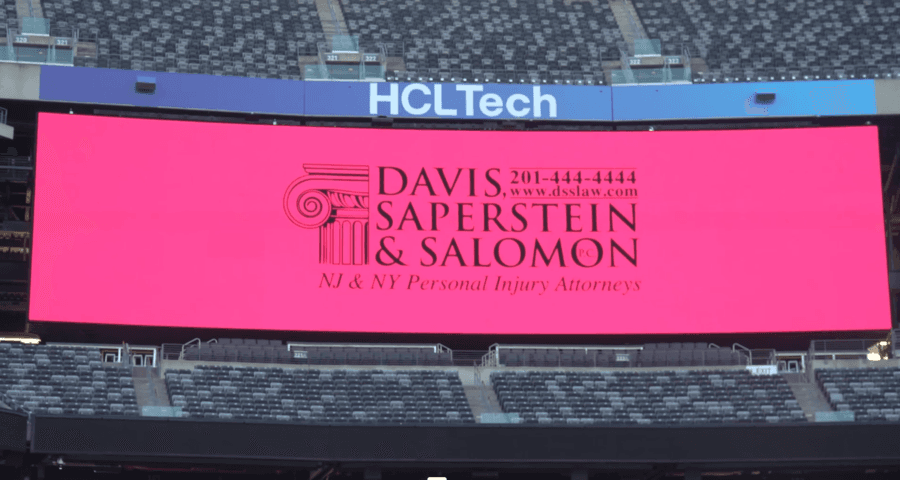
In a significant move towards promoting employee health and cancer prevention, New Jersey-based law firm Davis, Saperstein & Salomon, P.C. has introduced the #EmployersThinkPink initiative. This program, launched in conjunction with Breast Cancer Awareness Month, offers paid time off for employees to undergo mammogram screenings, potentially setting a new standard for corporate wellness policies.
The initiative was inspired by the personal experience of Annette, a long-time employee of the firm who was diagnosed with stage 2B Triple Negative Breast Cancer in 2009. Annette's successful battle against cancer, supported by her colleagues, has become a catalyst for change within the organization and potentially beyond.
Partner Garry Salomon, the architect of #EmployersThinkPink, emphasized the importance of early detection in fighting breast cancer. The firm's decision to provide paid time off for mammograms addresses a critical barrier to regular screenings - the reluctance of employees to take time off work for health check-ups. This approach could significantly increase the likelihood of early cancer detection among the workforce.
Annette's story serves as a powerful testament to the impact of early detection and prompt treatment. Following rigorous treatment at Hackensack Medical Center's Betty Torricelli Institute for Care, she achieved remission and has remained cancer-free. Her experience highlights the potential life-saving benefits of regular screenings, as an earlier mammogram might have detected her cancer at a more treatable stage.
The implications of this initiative extend far beyond a single law firm. By calling on other employers to join the #EmployersThinkPink movement, Davis, Saperstein & Salomon, P.C. is challenging businesses across industries to prioritize employee health and well-being. If widely adopted, this approach could lead to a significant increase in early breast cancer detection rates, potentially saving numerous lives.
Moreover, the initiative raises important questions about the role of employers in public health. By taking an active stance in promoting cancer screenings, companies can contribute to broader public health goals while also fostering a culture of care and support within their organizations. This approach may set a precedent for how businesses can engage in health promotion beyond traditional wellness programs.
The #EmployersThinkPink initiative also highlights the potential for personal experiences to drive meaningful corporate policy changes. Annette's journey from cancer patient to awareness advocate demonstrates how individual stories can inspire systemic changes that benefit many.
As the initiative gains traction, it may spark discussions about expanding similar programs to cover other critical health screenings. This could lead to a more comprehensive approach to employee health, potentially reducing the incidence of various diseases through early detection and intervention.
The law firm's action also underscores the growing recognition of the interconnectedness between work life and personal health. By removing barriers to essential health screenings, employers can play a crucial role in supporting their employees' overall well-being, which in turn can lead to increased productivity and job satisfaction.
As Breast Cancer Awareness Month approaches, the #EmployersThinkPink initiative serves as a reminder of the ongoing fight against this disease and the importance of community involvement. It challenges other organizations to consider how they can contribute to this cause and support their employees' health in meaningful ways.
The success of this initiative could pave the way for similar programs addressing other health concerns, potentially transforming how businesses approach employee wellness and preventive care. As more companies potentially adopt such policies, it could lead to a broader shift in workplace culture, where health and well-being are seen as integral to professional success.