In a significant step towards improving cardiac emergency preparedness, President Biden has signed the bipartisan Cardiomyopathy Health Education, Awareness, Research and Training in Schools (HEARTS) Act into law. This new legislation aims to ensure that students and staff in schools across the United States are equipped to respond effectively to cardiac emergencies through comprehensive emergency response plans, CPR training, and access to automated external defibrillators (AEDs).
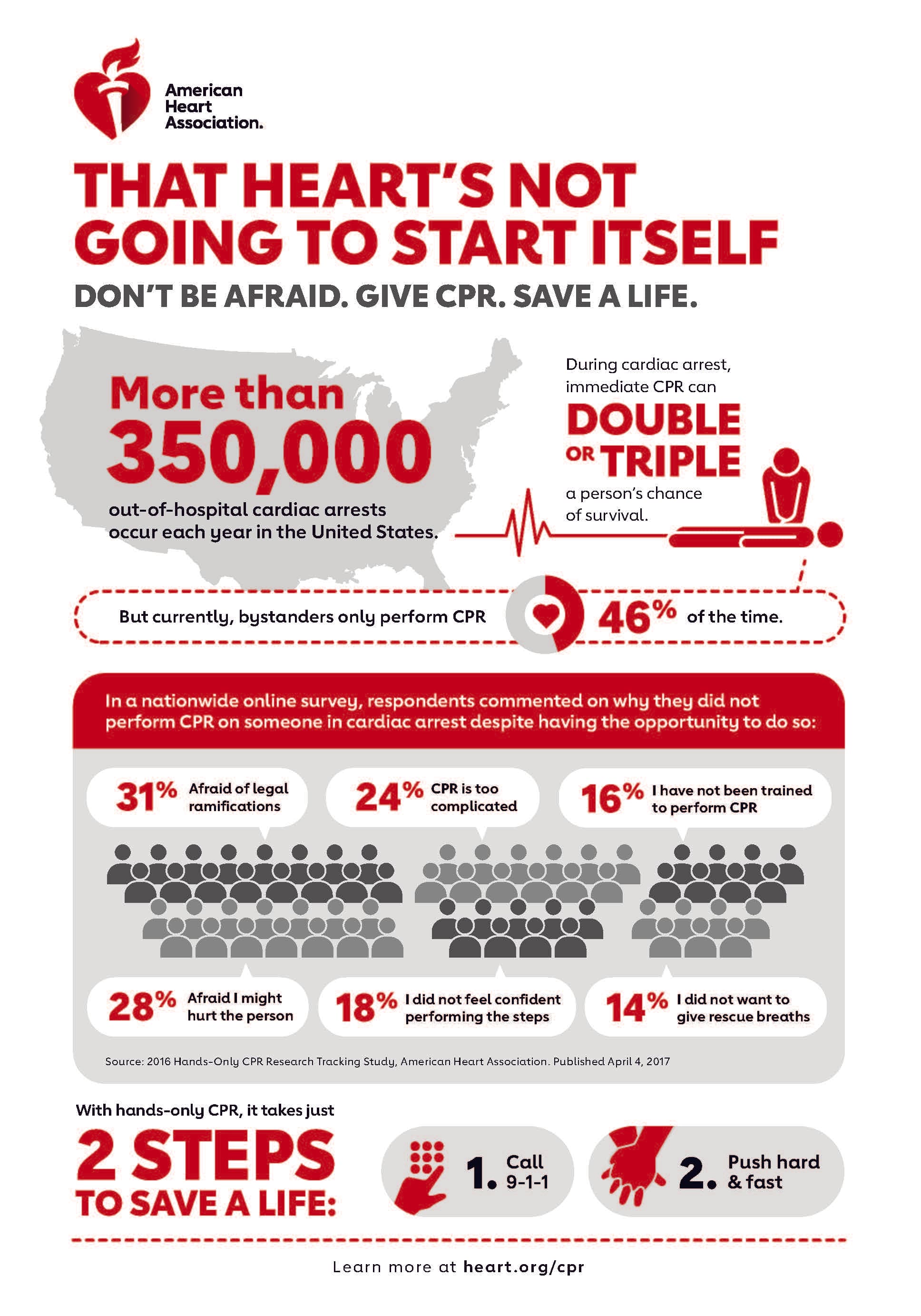
The timing of this law is crucial, as cardiac arrest remains a leading cause of death in the United States. According to data from the American Heart Association, an estimated 350,000 people experience sudden cardiac arrest in community settings each year. Alarmingly, 9 out of 10 people who suffer cardiac arrest outside of a hospital do not survive, largely due to a lack of immediate intervention.
Cardiac arrest, often confused with a heart attack, is an 'electrical' problem where the heart suddenly stops beating due to an irregular heartbeat (arrhythmia). This abrupt cessation of heart function leads to a rapid loss of blood flow to vital organs, resulting in unconsciousness and cessation of normal breathing within seconds. Without immediate intervention, death can occur within minutes.
The critical nature of rapid response in cardiac arrest cases underscores the importance of the HEARTS Act. By mandating CPR training and AED availability in schools, the law has the potential to create a new generation of lifesavers. The American Heart Association emphasizes that CPR, especially if performed immediately, can double or triple a cardiac arrest victim's chance of survival.
Notably, about 70% of out-of-hospital cardiac arrests occur in homes and private residences, making it likely that a friend or family member would need to take action. This statistic highlights the broader implications of school-based training, as students and staff can carry these life-saving skills into their communities.
The American Heart Association is at the forefront of efforts to improve cardiac arrest survival rates. The organization aims to double survival rates from sudden cardiac arrest by 2030 through its Nation of Lifesavers™ movement. This initiative, led by National Ambassador Damar Hamlin, a cardiac arrest survivor and professional football player, seeks to turn bystanders into lifesavers.
While the physical skills of CPR are crucial, the American Heart Association also recognizes the psychological impact of responding to a cardiac emergency. Witnesses and responders to cardiac arrests may experience significant emotional trauma, regardless of the outcome. The organization emphasizes the need for support and resources to help bystanders process their experiences, addressing issues such as exhaustion, guilt, flashbacks, and fear that can arise from such intense situations.
As schools implement the requirements of the HEARTS Act, they will not only be complying with federal law but also contributing to a broader cultural shift towards emergency preparedness. This legislation, combined with ongoing efforts by organizations like the American Heart Association, has the potential to significantly impact public health by creating more confident and capable responders to cardiac emergencies.
The passage of the HEARTS Act and the continued emphasis on CPR training represent a critical step forward in addressing the devastating impact of cardiac arrest. By focusing on education and preparation, particularly among young people, these efforts may lead to a future where rapid, effective response to cardiac emergencies becomes the norm rather than the exception, potentially saving thousands of lives each year.