A groundbreaking study presented at the American Heart Association's Scientific Sessions 2024 in Chicago has revealed that edoxaban, an oral anticoagulant, is as effective as warfarin in reducing the risk of stroke and blood clots for patients who have undergone heart valve replacement surgery. This finding could potentially transform post-operative care for thousands of patients worldwide.
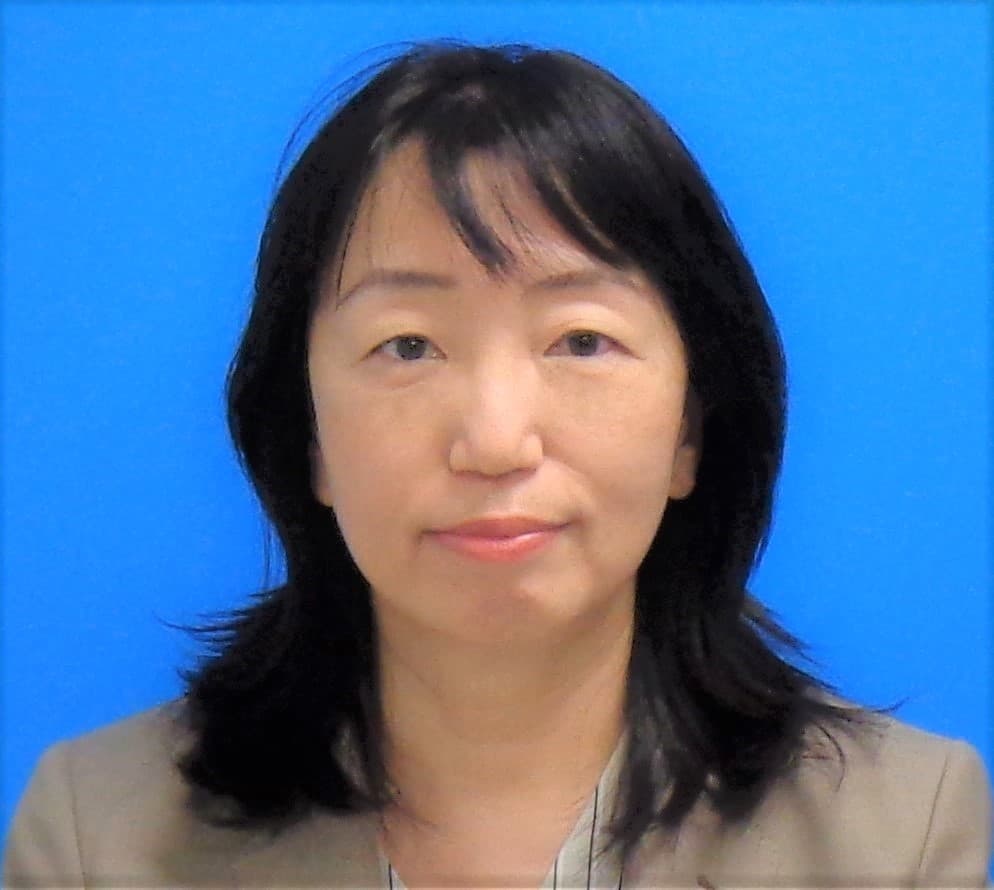
The ENBALV trial, led by Dr. Chisato Izumi of the National Cerebral and Cardiovascular Center in Suita, Japan, compared the effectiveness and safety of edoxaban to warfarin in approximately 400 adult patients who had received bioprosthetic heart valve replacements. The study found that only 0.5% of patients receiving edoxaban experienced a stroke or systemic embolism, compared to 1.5% of those on warfarin.
Heart valve replacement patients are at high risk for stroke and blood clots, especially in the weeks following surgery. Current treatment guidelines recommend anticoagulant therapy, with warfarin being the standard medication. However, warfarin requires frequent blood tests to monitor clotting activity and interacts with food and other medications, making it challenging for patients and healthcare providers.
Edoxaban, which works by blocking factor Xa in the coagulation process, offers several advantages over warfarin. It can be taken in a fixed dose, does not require regular blood tests, and is not affected by diet or other medications. Dr. Izumi noted, "Edoxaban could make life easier for patients recovering from heart valve surgery. It reduces the burden on patients and improves their quality of life, especially in those crucial first few months after surgery."
While the study showed promising results for edoxaban, it also revealed a higher incidence of major bleeding (4.1%) compared to warfarin (1%). However, no fatal bleeding or intracranial hemorrhage was observed in the edoxaban group, whereas one fatal cerebral hemorrhage occurred in the warfarin group. The researchers emphasized the need for further investigation to identify patients at highest risk of bleeding with edoxaban and to develop strategies to mitigate this risk.
The implications of this study are significant for both patients and healthcare providers. If edoxaban proves to be a viable alternative to warfarin, it could simplify post-operative care, reduce the need for frequent medical visits, and potentially improve patient compliance with anticoagulation therapy. This could lead to better outcomes and a reduced risk of complications for heart valve replacement patients.
However, the researchers cautioned that the study had limitations, including its open-label design and the exclusion of patients undergoing transcatheter valve replacements. They called for further research to confirm these findings and to explore the effectiveness and safety of other direct oral anticoagulants in this patient population.
As the medical community continues to seek ways to improve patient care and outcomes, the results of the ENBALV trial represent a promising step forward in the management of post-operative anticoagulation for heart valve replacement patients. With further research and validation, edoxaban could become a valuable tool in the arsenal of treatments available to cardiovascular surgeons and their patients, potentially reducing the burden of care and improving quality of life for those recovering from heart valve surgery.